
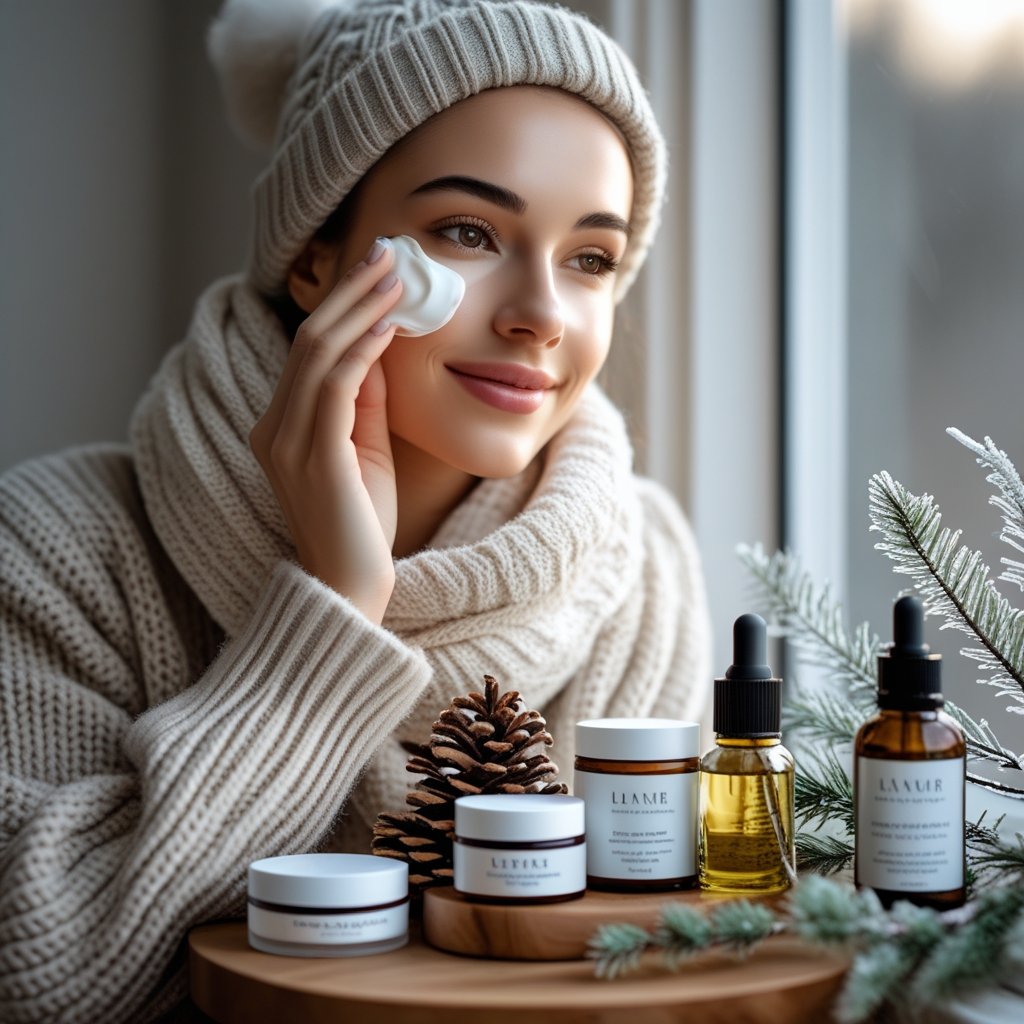

Winter brings unique challenges to skin and hair care, requiring adjustments to usual routines. Cold air and indoor heating can strip moisture, leading to dryness and irritation. A winter beauty care routine focuses on hydration, protection, and nourishment to maintain healthy skin and hair throughout the season.
Understanding Winter Skin Challenges
Effects of Low Humidity and Cold Weather
People with acne-prone skin might notice changes in their condition during winter due to altered skin oil production. The environment can cause some to produce less oil, leading to irritation, while others might experience clogged pores from heavy creams used to combat dryness.
Skin Barrier Function in Winter
The skin barrier protects against environmental irritants and prevents moisture loss. In winter, harsh weather weakens this barrier, making it less effective at trapping hydration. This breakdown increases susceptibility to irritation and sensitivity.
A compromised skin barrier can cause flaky skin and inflammation, particularly in sensitive or combination skin types. Dermatologists emphasize the importance of using products that support barrier repair. Ingredients like ceramides, fatty acids, and hyaluronic acid help restore strength and improve water retention.
Common Winter Skin Concerns
Dryness is the most widespread issue, presenting as rough texture, tightness, and visible flakes. Xerosis affects many, characterized by itchiness and sometimes redness. People with acne-prone skin may experience flare-ups or dryness depending on treatment consistency and weather impact.
Combination skin struggles with balancing dry patches and oily zones, requiring a tailored approach. Sensitive skin may react with redness and irritation to seasonal changes or new products. Addressing these concerns requires a routine focused on hydration, protection, and barrier support to minimize damage during cold months.
Essential Winter Beauty Care Ingredients
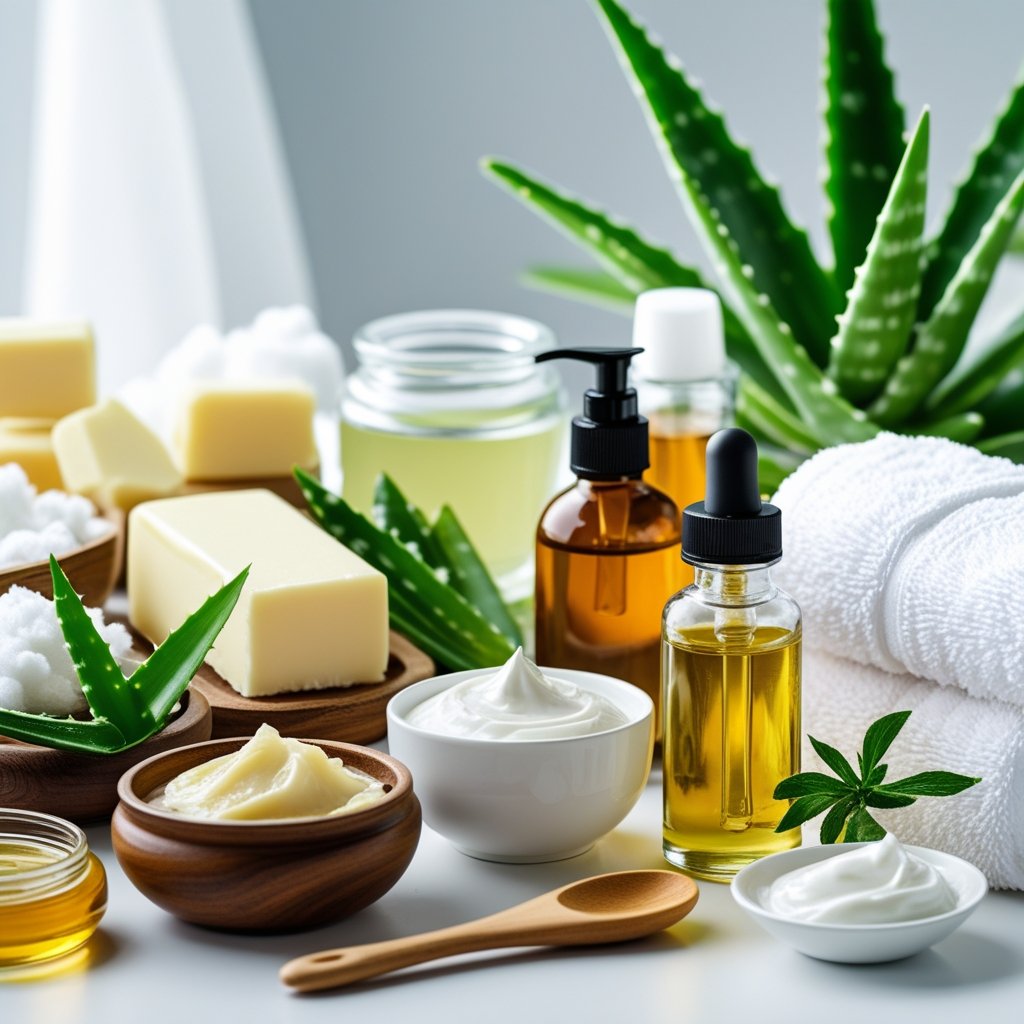
In colder months, choosing the right ingredients can significantly improve skin hydration, strengthen the protective barrier, and prevent dullness. Effective winter skincare targets moisture retention, skin repair, and protection from environmental damage with specific compounds.
Hydrating Agents
Hydration is critical in winter to counteract the dehydrating effects of cold air. Ingredients like hyaluronic acid and sodium hyaluronate attract and hold water in the skin, providing lasting moisture without heaviness.
Glycerin is another effective humectant, drawing moisture to the skin’s surface, keeping it soft throughout the day. Urea acts both as a hydrating and exfoliating agent, improving skin texture by maintaining moisture balance.
Natural oils such as jojoba oil and squalane mimic the skin’s natural oils to lock in hydration while preventing water loss. These lighter oils are less likely to clog pores, making them suitable for many skin types even in winter.
Barrier-Strengthening Compounds
Winter skin needs a reinforced barrier to protect against dryness and irritation. Ceramides play a vital role in restoring the skin’s lipid layer, sealing in moisture and shielding against environmental stressors.
Shea butter offers rich emollience and nourishment by replenishing essential fatty acids and creating a protective barrier. It is especially useful for very dry or sensitive skin.
Amino acids and peptides support skin repair and collagen production, helping maintain firmness and resilience when cold weather thins the skin barrier. Together, these ingredients help reduce redness and flakiness common in winter.
Antioxidants and Brighteners
Antioxidants defend skin from free radical damage caused by cold winds and indoor heating. Vitamin C, especially in serum form, is a powerful antioxidant that also aids in brightening the complexion and evening skin tone.
Niacinamide supports the skin’s barrier function and reduces inflammation. It also improves skin texture and pigmentation irregularities common during winter months.
Additional antioxidants like vitamin E protect cells and enhance skin healing. Incorporating these ingredients helps maintain a healthy, radiant appearance despite harsher climate conditions.
Step-by-Step Winter Beauty Care Routine
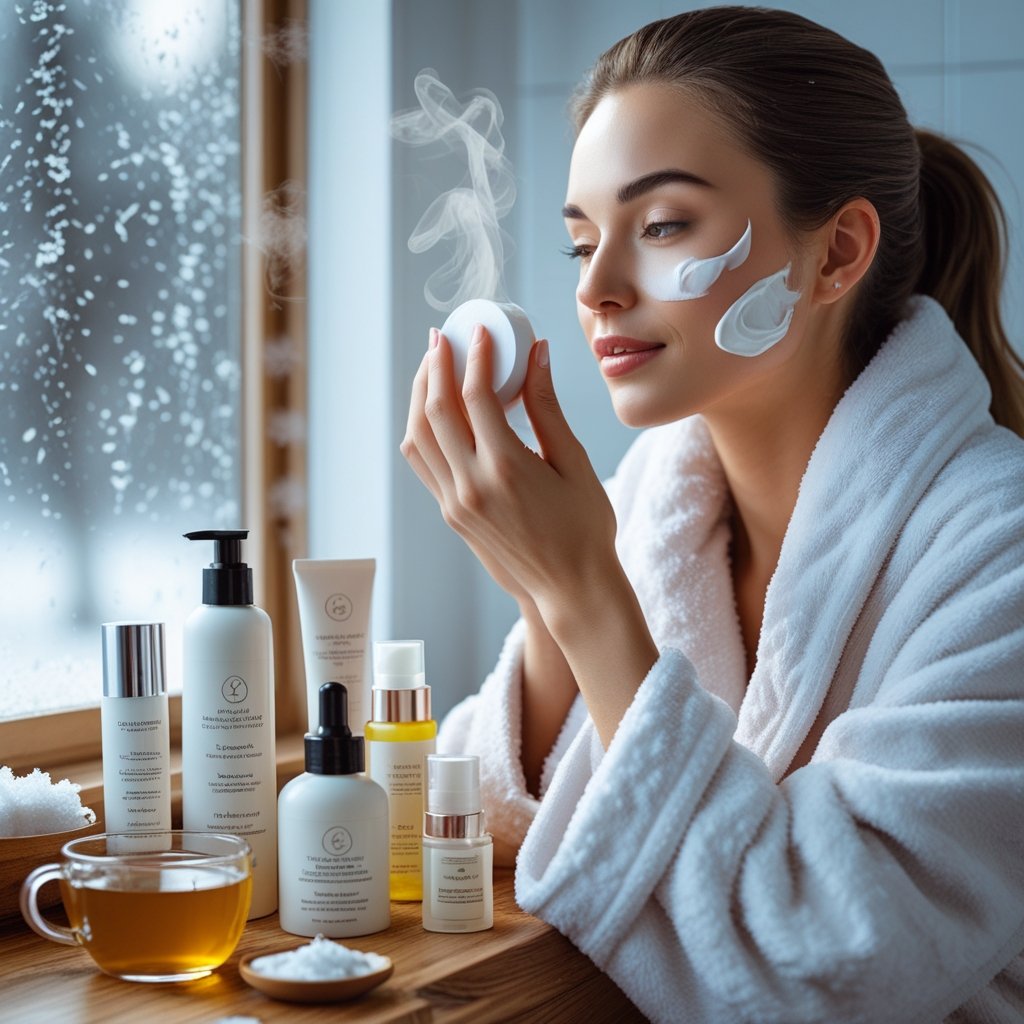
A winter beauty care routine requires adapting to colder temperatures and lower humidity to maintain skin hydration and health. Each step should focus on protecting the skin’s moisture barrier and providing adequate nourishment without irritation.
Cleansing with Gentle Formulas
In winter, cleansing should avoid harsh ingredients that strip natural oils. It is best for them to use a gentle cleanser or a hydrating face wash that effectively removes impurities without drying the skin. Look for formulas containing soothing components like glycerin or ceramides, which support the skin’s barrier.
Foaming cleansers are often too drying during winter, so cream-based or oil-based cleansers work better. Cleansing twice daily is adequate; over-cleansing can worsen dryness and sensitivity. They should rinse with lukewarm water to avoid further moisture loss.
Toning for Extra Hydration
Toners in winter are not for tightening pores but for adding a layer of moisture after cleansing. A hydrating toner with humectants such as hyaluronic acid or aloe vera can attract and retain water in the skin.
After applying toner, pat it gently into the skin to boost absorption. This step prepares the skin for serums and moisturizers, improving their effectiveness. Avoid toners with alcohol or astringents as they can increase dryness and irritation during cold weather.
Serum Application for Added Benefits
Serums help address specific skin concerns with concentrated ingredients. For winters, an antioxidant serum containing vitamin C or niacinamide strengthens the skin’s defense against environmental damage.
Hydrating serums with hyaluronic acid are also beneficial, as they offer lightweight but intense moisture. Applying serum after toning but before moisturizer ensures better penetration. The choice should match the skin type but focus on repairing and protecting compromised moisture barriers.
Locking in Moisture with Creams and Lotions
Moisturizing is the most critical step in winter skincare. They should use rich, moisturizing creams or lotions formulated to lock in hydration and create a protective layer. Ingredients like shea butter, ceramides, and oils provide lasting moisture and repair.
For the face, creams are preferable, while body lotion with emollients can be used for the rest of the body. Applying moisturizer immediately after serum, while skin is still damp, maximizes water retention. Reapplying throughout the day may be necessary for very dry skin.
Targeted Winter Skin Treatments
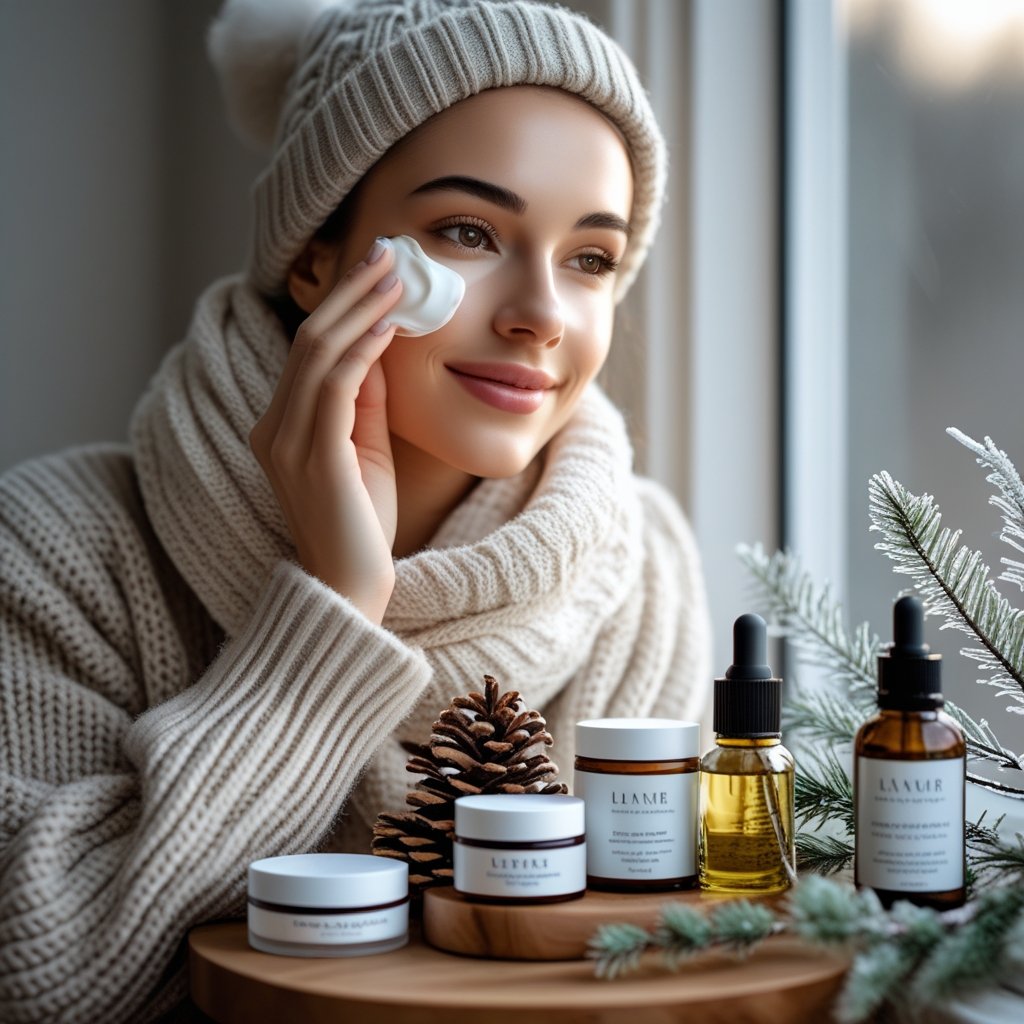
Winter skin treatments focus on restoring moisture balance, managing irritation, and addressing specific concerns like blemishes. Using appropriate products and techniques tailored to these issues enhances skin comfort and appearance during cold weather.
Addressing Dry Patches and Flakiness
Dry patches require intensive moisture replenishment. Products rich in lanolin, petroleum jelly, or Aquaphor create a protective barrier that locks in hydration. Applying a hydrating mask once or twice a week boosts skin moisture and helps repair the skin barrier.
Gentle, fragrance-free creams like the Instant Angel Moisturizer provide ongoing hydration without irritation. For lips, an overnight lip mask prevents cracking by sealing in moisture overnight. Layering treatments with consistent use improves dry spots.
Avoid harsh soaps or ingredients that strip oils. Instead, apply moisturizers immediately after washing to trap water in the skin effectively.
Exfoliation in Cold Seasons
Exfoliation removes flaky skin but must be balanced to avoid excessive dryness or irritation. Using chemical exfoliants like salicylic acid in low concentrations gently dissolves dead cells without aggravating sensitive winter skin.
Physical scrubs should be avoided or used sparingly to prevent microtears. Exfoliation frequency can be reduced to once or twice a week during winter.
Integrating exfoliation with skin cycling—a method of alternating exfoliating products with hydrating formulas—maintains skin balance and prevents barrier damage.
Spot Treatments for Blemishes
Blemishes still occur in winter and need targeted treatment with less drying potential. Spot treatments containing lower concentrations of retinoids or salicylic acid reduce inflammation and clear pores while providing some exfoliating benefit.
It is essential to apply spot treatments after moisturizing to minimize irritation. Avoid overlapping multiple active ingredients at once to maintain skin barrier integrity.
Using hydrating products alongside spot treatments supports healing and prevents worsening dryness or redness. Consistency and gentle care ensure effective blemish management throughout colder months.
Protecting and Maintaining Skin Health
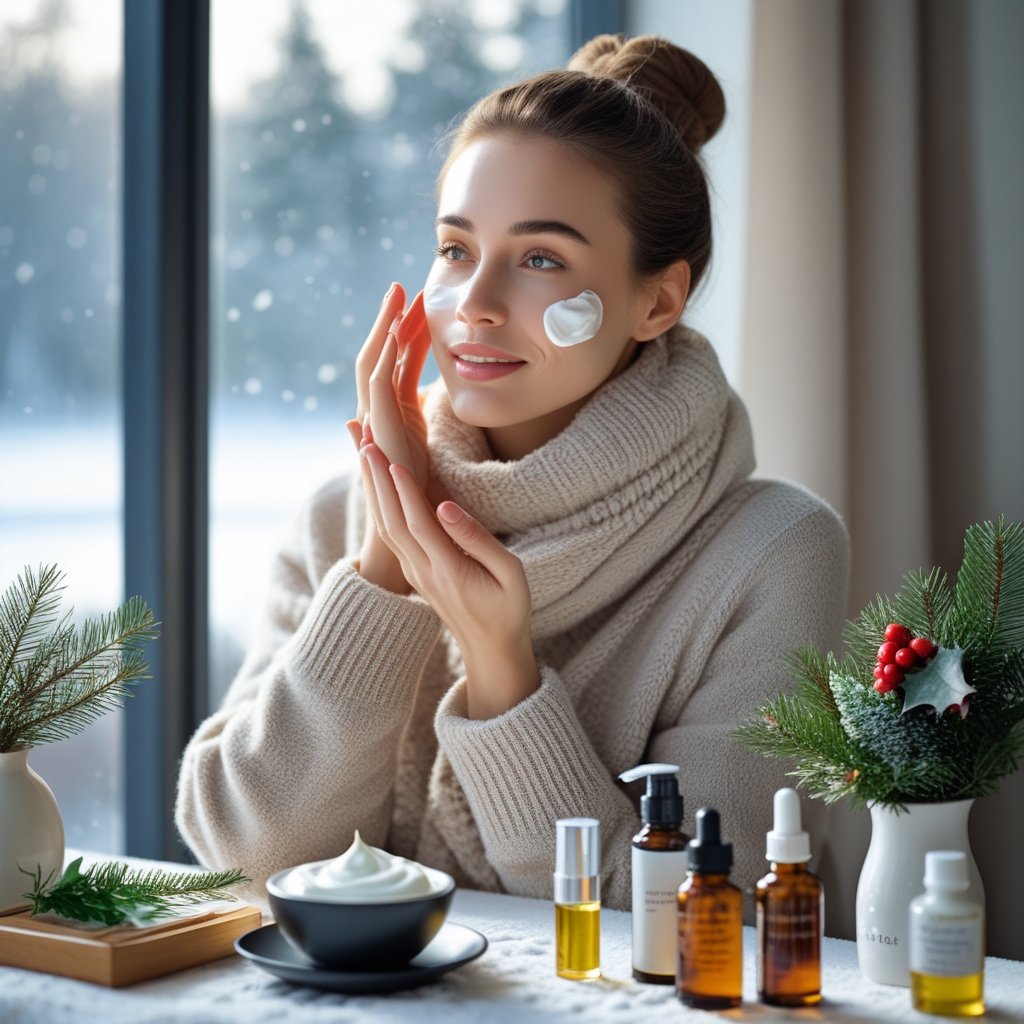
Winter skin care requires targeted protection and strategies to preserve hydration and skin barrier integrity. Maintaining moisture and shielding the skin from environmental damage are crucial for healthy skin during colder months.
Daily Use of Sunscreen
Sun exposure remains a risk in winter, especially with reflection from snow increasing UV intensity. Applying a broad-spectrum sunscreen with at least SPF 30 daily prevents UV-induced damage, which can cause premature aging and dryness.
Sunscreen should be integrated into the morning routine, even on cloudy days, because UV rays penetrate clouds and windows. Products with added moisturizing ingredients support skin hydration while offering protection.
Reapplication every two hours is important during outdoor activities. Physical blockers like zinc oxide or titanium dioxide are recommended for sensitive winter skin due to their gentle nature and effective barrier against UVA and UVB rays.
Preventing Transepidermal Water Loss
Transepidermal water loss (TEWL) accelerates in cold, dry weather as the skin’s barrier weakens. Maintaining a robust barrier function reduces moisture evaporation and irritation.
Using moisturizers rich in humectants such as glycerin, hyaluronic acid, and urea draws water into the skin. Layering occlusive agents like petrolatum or dimethicone seals in this hydration and reinforces the skin’s outer layer.
Consistency in moisturizing twice daily ensures the skin remains hydrated and resilient. Avoiding harsh cleansers that strip oils helps preserve natural lipids critical for barrier repair and hydration retention.
Adapting to Different Skin Types in Winter
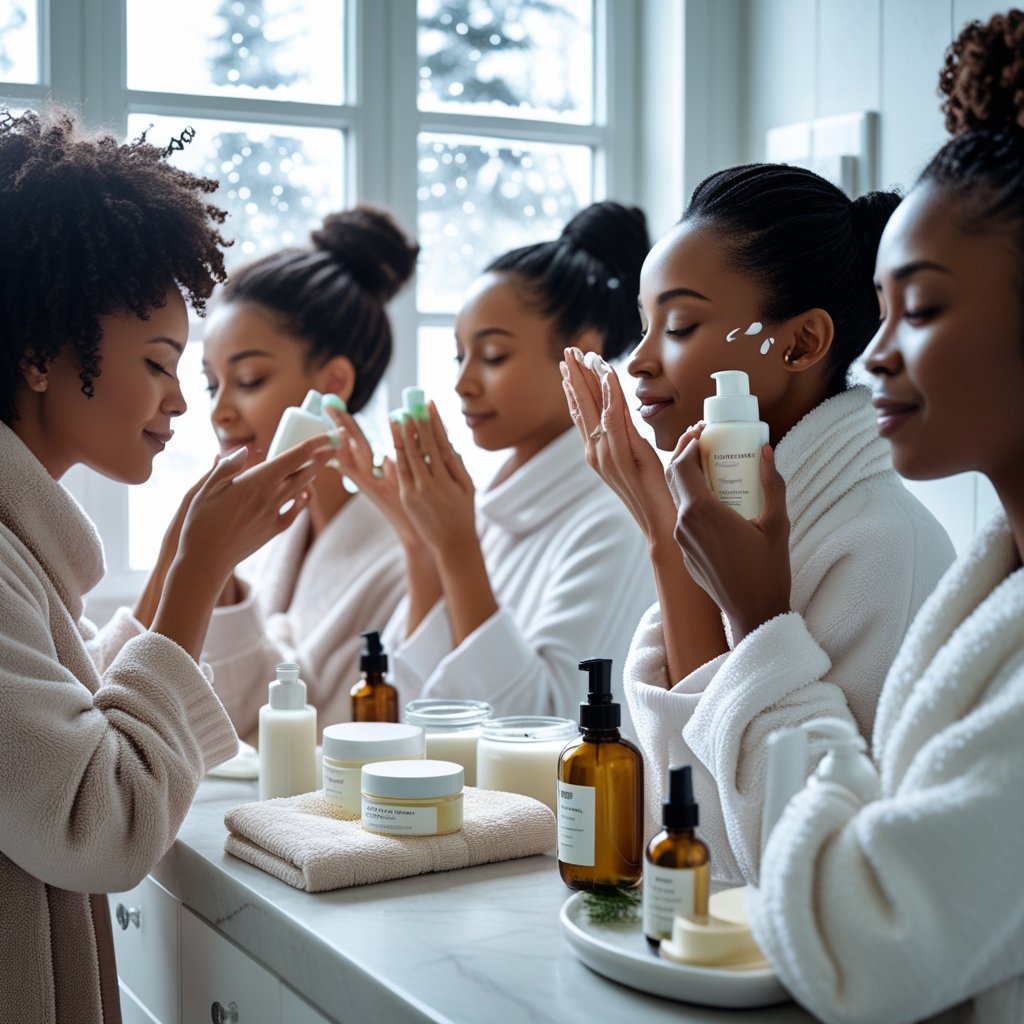
Winter requires tailored skincare adjustments based on how skin reacts to cold, dry air. Moisture retention, barrier repair, and inflammation control become priorities, varying by skin type to maintain balance and comfort throughout the season.
Winter Care for Dry Skin
Dry skin needs intensive hydration and barrier support during winter. Rich moisturizers with ceramides help restore the skin’s protective layer, preventing moisture loss.
Using creamy cleansers instead of foaming ones reduces irritation and dryness. Applying occlusive products like petrolatum or natural oils locks in moisture, especially overnight.
Incorporating niacinamide can improve barrier function and soothe redness associated with dryness. Avoid harsh exfoliants and limit hot water exposure to reduce further dehydration.
Routine Adjustments for Combination Skin
Combination skin demands a balanced approach to address both oily and dry areas. During winter, dry zones benefit from heavier hydration, while oily zones require non-comedogenic, lightweight products.
A hydrating serum with niacinamide can regulate oil production without over-drying. Using a gentle moisturizer with ceramides and antioxidants supports barrier strength without clogging pores.
Cleansing with a mild, pH-balanced formula removes impurities without stripping natural oils. Adjusting routine frequency by reducing exfoliation prevents irritation in dry patches.
Sensitive and Acne-Prone Skin Needs
Sensitive and acne-prone skin in winter needs soothing and protection against flare-ups caused by dryness or product changes. Gentle cleansers free of harsh chemicals prevent disruption of the skin barrier.
Lightweight, fragrance-free moisturizers containing ceramides and niacinamide calm inflammation and reinforce barrier function. Avoid heavy creams that can exacerbate acne or cause irritation.
Spot treatments should be used cautiously to prevent over-drying. Sunscreen remains essential even in winter to protect vulnerable skin from UV damage.
Final Tips for a Successful Winter Beauty Care Routine
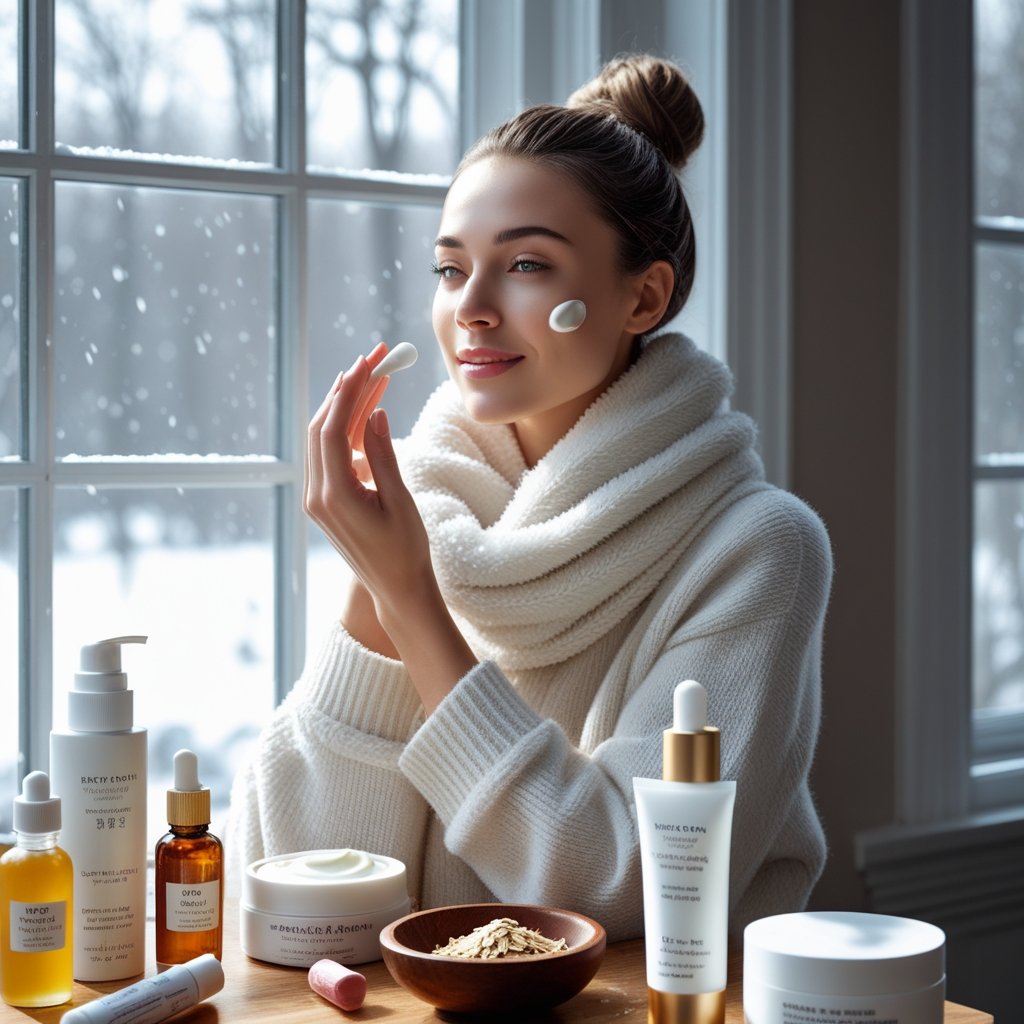
Effective winter beauty care requires attention to how lifestyle choices and environmental factors affect the skin. Equally important is selecting products that deliver consistent hydration and protection throughout the day.
Lifestyle and Environmental Considerations
Cold air, indoor heating, and low humidity can quickly dry out the skin. Dermatologists emphasize using a humidifier indoors to maintain moisture levels. Drinking plenty of water also supports skin hydration from within.
Limiting long, hot showers is crucial since they strip natural oils. Instead, lukewarm water is recommended to preserve the skin barrier. Wearing appropriate clothing, like gloves and scarves, protects exposed areas from harsh wind.
Regularly applying a nourishing body lotion immediately after showering helps seal in moisture. Adjusting your skincare routine to accommodate shorter daylight and cooler temperatures prevents irritation and dryness.
Choosing Products for Long-Lasting Hydration
Selecting the right moisturizer is key to addressing winter dryness. Hydrating formulas with ingredients like hyaluronic acid, ceramides, or glycerin restore and maintain the skin’s barrier.
Products labeled as “instant angel moisturizer” or similar often offer quick absorption and deep hydration, ideal for cold-weather use. For the body, rich creams or thick body lotions provide prolonged moisture compared to lighter lotions.
Dermatologists advise avoiding harsh exfoliants during winter to prevent further dryness. Instead, focus on layering moisturizing products, ensuring each application absorbs fully before adding the next. This builds a protective, hydrating barrier against winter elements.
