
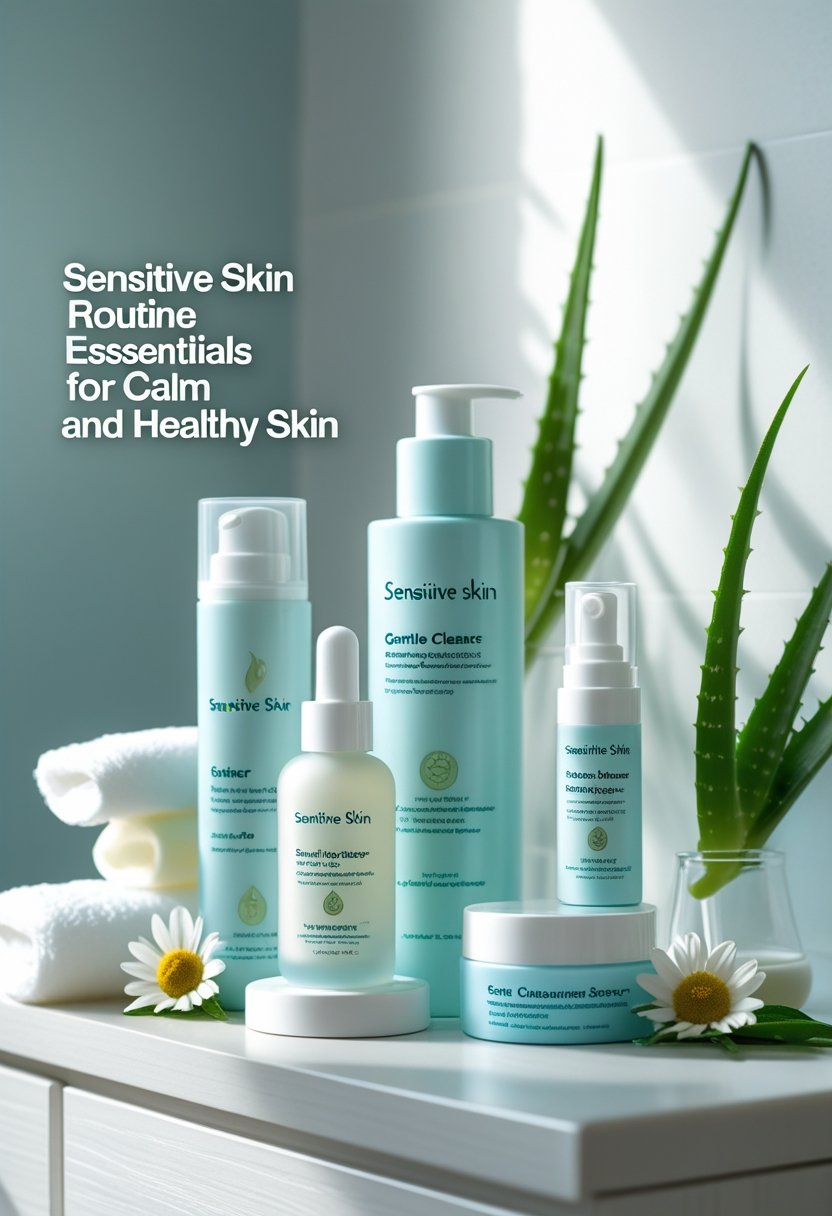

Sensitive skin requires a careful approach to skincare that avoids irritation while maintaining the skin’s natural barrier. A sensitive skin care routine should focus on gentle cleansing, soothing ingredients, and consistent protection to reduce redness, inflammation, and discomfort. Knowing how to recognize signs of sensitivity and choosing products that calm rather than aggravate the skin is key.

Many people with sensitive skin struggle to find a routine that works without causing flare-ups. This is because sensitive skin can be dry, oily, or a combination, so understanding personal skin type alongside sensitivity is important. A simple, minimal routine using non-irritating products often yields the best results.
By focusing on hydration, calming actives, and sun protection, the routine supports skin resilience and comfort. Incorporating these principles helps manage sensitivity effectively, making skincare a manageable and less frustrating experience.
Understanding Sensitive Skin

Sensitive skin involves a heightened reaction to external factors, often presenting with visible discomfort or irritation. It can arise due to intrinsic skin traits or underlying conditions. Recognizing the distinctions between sensitivity types and related concerns is essential for effective care.
Common Signs of Sensitivity
Sensitive skin often shows redness, itching, and a burning sensation after exposure to certain products or environmental triggers like sun, wind, or pollution. It can feel tight or dry and may develop rashes or flare-ups.
People with reactive skin may notice stinging or tingling sensations during or after cleansing or applying skincare. These reactions aren’t always linked to allergies but rather an overactive skin barrier.
Visible signs such as blotchiness and inflammation frequently indicate sensitivity. Persistent sensitivity may also result in skin that’s prone to dryness or easily irritated.
Underlying Skin Conditions Related to Sensitivity
Conditions like eczema and rosacea contribute to skin sensitivity by weakening its protective barrier. Eczema causes dry, flaky patches and itchiness due to inflammation and impaired moisture retention.
Rosacea typically leads to redness concentrated on the cheeks and nose, accompanied by swelling and visible blood vessels. This chronic inflammation makes the skin more reactive to stimuli.
Both conditions require gentle care and specific treatments to reduce flare-ups. Ignoring these can exacerbate skin sensitivity and discomfort, emphasizing the need to identify such underlying issues.
Difference Between Sensitive and Sensitized Skin
Sensitive skin is an inherent skin type prone to reactions, often genetically determined. Sensitized skin, in contrast, results from external damage or overuse of irritants, weakening the skin barrier temporarily.
While sensitive skin reacts consistently to triggers, sensitized skin may react unpredictably and heal once the irritant is removed. Sensitized skin usually shows increased redness, dryness, and itching but can improve with targeted care.
Understanding this distinction helps tailor skincare routines: sensitive skin needs ongoing protection, whereas sensitized skin benefits from barrier repair and avoidance of harsh products.
Key Principles of a Sensitive Skin Care Routine
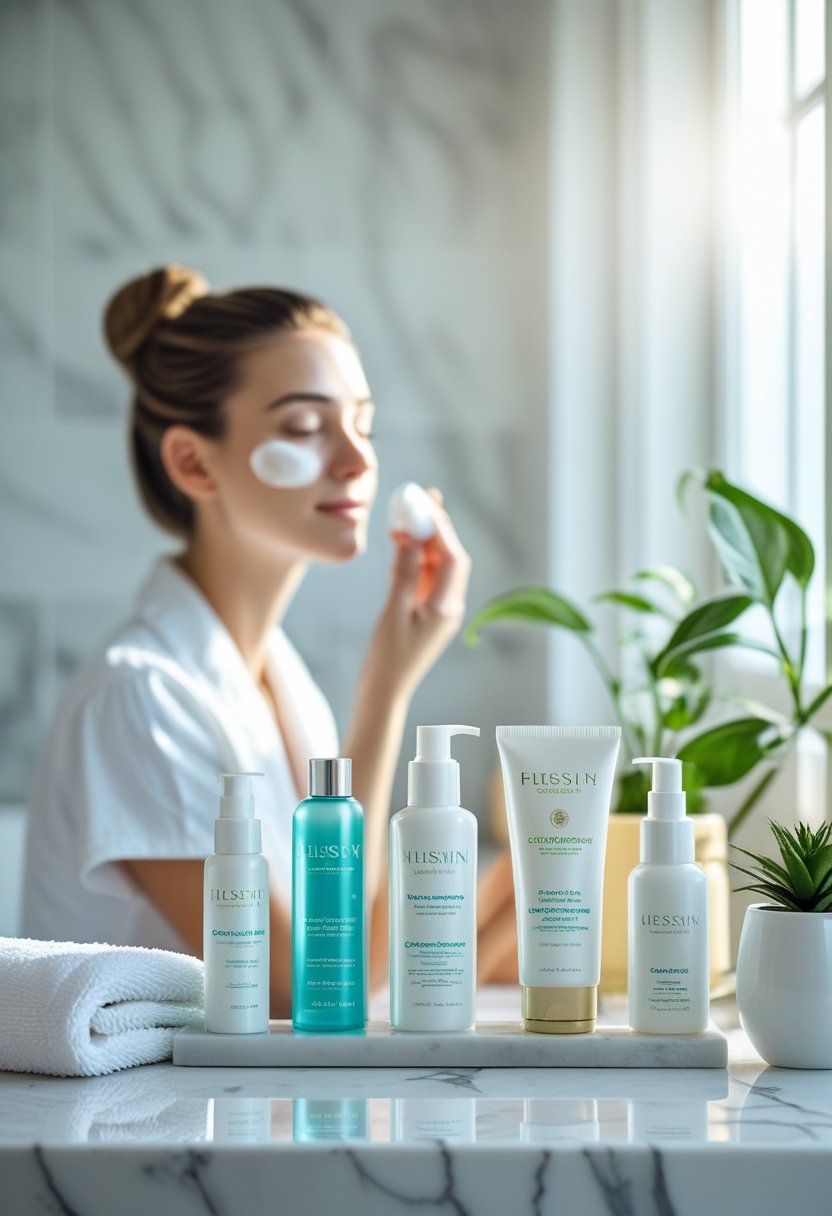
A sensitive skincare routine relies on careful choices and deliberate steps to protect and soothe the skin. The focus is on minimizing irritation, preventing adverse reactions, and maintaining the skin’s natural barrier through simple yet effective practices.
Importance of a Gentle Approach
Sensitive skin reacts easily to many stimuli, so a gentle approach is crucial. Using soft, non-abrasive cleansers that do not strip the skin of natural oils helps maintain moisture and barrier function.
Physical exfoliation is often too harsh and should be replaced by mild chemical exfoliants, if any, with ingredients like lactic acid used sparingly. Applying products with light, soothing textures reduces the risk of inflammation and redness.
A simplified routine with fewer products also limits the chance of irritation. Consistency in using calming and hydrating ingredients supports skin resilience over time.
Patch Testing New Products
Patch testing is essential before fully incorporating a new product into the skincare routine for sensitive skin. It involves applying a small amount of the product on a discreet area, such as behind the ear or on the inner forearm.
Waiting 24 to 48 hours to observe any reactions like redness, itching, or burning can prevent widespread irritation. This step helps identify potential allergens or irritants specific to the individual’s skin.
Even products labeled “for sensitive skin” can cause reactions, so patch testing is a practical precaution. Keeping a record of tested products and responses can guide future selections and prevent adverse effects.
Avoidance of Harsh Chemicals and Fragrances
Harsh chemicals significantly increase sensitivity and irritation risks. Ingredients such as alcohol, sulfates, and strong acids can damage the skin barrier and trigger inflammation.
Fragrances and artificial dyes are common irritants and allergens in many skincare products. Opting for fragrance-free and hypoallergenic formulations reduces the chance of redness and discomfort.
Sensitive skincare should prioritize products with calming ingredients like ceramides, glycerin, and aloe vera, which support barrier repair and hydration without harmful additives. Checking labels carefully ensures avoidance of substances that could exacerbate skin sensitivity.
Step-By-Step Routine for Sensitive Skin

A well-structured routine focused on gentle cleansing, effective hydration, and daily sun protection helps maintain the skin’s health and reduce irritation. Choosing the right products and applying them correctly is essential to support and strengthen the skin barrier over time.
Selecting a Gentle Cleanser
For sensitive skin, cleansing must remove impurities without stripping natural oils. A gentle cleanser typically contains mild surfactants and avoids harsh ingredients like sulfates, alcohol, and fragrance.
Cleansers labeled as “soap-free” or “for sensitive skin” are preferable. Hydrating formulas with added ceramides or glycerin help maintain the moisture barrier during cleansing. Over-washing or using hot water can increase irritation, so washing twice daily with lukewarm water is ideal.
Avoid exfoliating cleansers or abrasive tools, as they can damage the skin barrier and trigger redness or itching.
Moisturizing to Support the Skin Barrier
Moisturizers for sensitive skin should restore and protect the skin barrier, helping it retain moisture and resist irritants. Ingredients like ceramides, hyaluronic acid, and niacinamide are beneficial for barrier repair and hydration.
A product with a lightweight but rich texture can prevent dryness without clogging pores or causing discomfort. Fragrance-free and hypoallergenic formulas reduce the risk of reactions.
Apply moisturizer immediately after cleansing to lock in hydration. Consistent use improves resilience over time and soothes sensitivity, reducing redness and tightness.
Choosing the Right Sunscreen for Daily Protection
Sun protection is critical in any skincare routine, particularly for sensitive skin. UV exposure weakens the skin barrier and amplifies irritation, making sunscreen an essential daily step.
Mineral sunscreens containing zinc oxide or titanium dioxide are generally less irritating than chemical sunscreens. They provide broad-spectrum SPF protection without harsh chemicals.
Look for broad-spectrum SPF 30 or higher, designed specifically for sensitive skin. Apply generously and reapply every two hours when outdoors.
Avoid sunscreens with added fragrances, parabens, or alcohol to minimize the risk of a reaction while ensuring effective sun protection.
Best Ingredients for Sensitive Skin

Sensitive skin benefits from targeted ingredients that focus on hydration, barrier repair, and calming irritation. It is crucial to choose components that strengthen the skin’s natural defenses without causing further sensitivity or inflammation. Certain actives are proven to soothe, while others require caution due to their potential to irritate.
Hydrating and Barrier-Repairing Compounds
Hydration and barrier restoration form the foundation of sensitive skin care. Ceramides are essential lipids that help rebuild and maintain the skin’s protective barrier. They work alongside fatty acids to lock in moisture and prevent dryness.
Squalane is a lightweight, non-comedogenic oil that mimics skin’s natural oils, providing hydration without heaviness. It supports barrier function and reduces moisture loss.
Hyaluronic acid is a powerful humectant that attracts and holds water in the skin. It improves elasticity and suppleness, key for comfort and resilience.
These ingredients collectively reduce irritation by strengthening the skin’s defenses and keeping it well-hydrated, preventing the common discomforts associated with sensitive skin.
Soothing and Calming Ingredients
For sensitive skin, calming ingredients reduce redness, inflammation, and discomfort. Colloidal oatmeal is a revered soothing agent, known for its anti-inflammatory and barrier-protective properties. It calms itchiness and irritation effectively.
Aloe vera offers both hydration and anti-inflammatory benefits. It soothes redness and promotes healing without clogging pores.
Niacinamide (Vitamin B3) supports barrier repair while reducing inflammation and irritation. It also balances oil production and evens skin tone.
Licorice extract contains glabridin, which helps diminish redness and hyperpigmentation caused by sensitivity.
These ingredients promote comfort and maintain skin health by calming responses triggered by environmental or product irritants.
Ingredients to Use with Caution
Certain popular actives may aggravate sensitive skin and should be introduced carefully or avoided. Retinol, a potent anti-aging ingredient, can cause dryness, redness, and peeling if not used gradually or in low concentrations.
Vitamin C is an antioxidant beneficial for skin tone and brightness but may cause stinging or irritation due to its acidity, especially in sensitive skin types.
Fragrances, alcohol, and harsh exfoliants are common irritants that should be avoided.
It is advisable for sensitive skin to patch-test new products and consult with a dermatologist before adding potentially irritating ingredients to their routine.
Tailoring Your Routine to Specific Skin Types
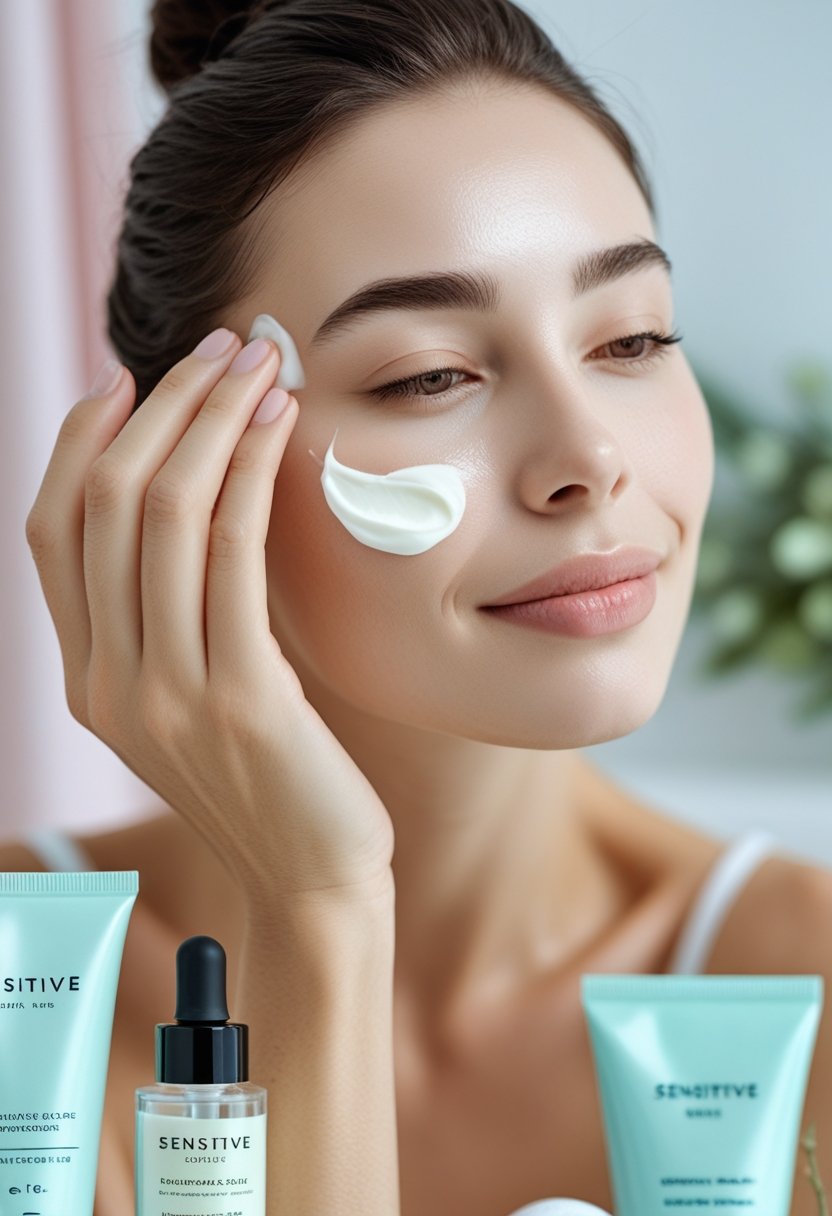
Adjusting a skincare routine to address both sensitivity and the skin’s natural oil balance is crucial. Choosing the right products and practices depends heavily on whether the skin tends to dryness, excess oil, or a mix of both. Attention to ingredients and textures can prevent irritation while supporting the skin’s needs.
Sensitive and Dry Skin
For those with sensitive dry skin, hydration and barrier repair are priorities. They should avoid harsh cleansers containing sulfates or alcohol, which strip natural oils and increase dryness. Instead, gentle, cream-based or oil-based cleansers work best.
Moisturizers should be rich but non-comedogenic, containing ingredients like ceramides, hyaluronic acid, and glycerin. These restore moisture and soothe irritation without clogging pores. Sunscreens with mineral-based filters such as zinc oxide or titanium dioxide are preferred as they are less likely to provoke sensitivity.
Using fewer active ingredients like retinoids or strong acids is advisable unless guided by a dermatologist. Lightweight serums with calming agents like niacinamide or allantoin can reduce redness and strengthen the skin’s barrier.
Sensitive and Oily Skin
Sensitive oily skin requires balancing oil control without compromising moisture or causing inflammation. Cleansing twice daily with mild gel-based or foaming cleansers that are sulfate-free helps remove excess oil gently.
Lightweight, oil-free moisturizers with ingredients such as hyaluronic acid provide hydration without heaviness. Non-comedogenic sunscreen is critical to prevent clogged pores while protecting the skin.
Products with soothing ingredients like green tea extract or centella asiatica can calm sensitivity. Avoiding heavy creams or oils and reducing use of harsh exfoliants prevents flare-ups. Introducing chemical exfoliants like low-concentration salicylic acid can help control oil and minimize breakouts when tolerated.
Managing Combination Skin with Sensitivity
Combination skin with sensitivity demands a flexible routine targeting oily and dry zones separately. Using a gentle cleanser that cleanses without overdrying is essential.
Moisturizing should be customized: richer products on dry areas, lighter gel-based formulas on oilier zones. Spot treatment with hydrating serums in dry patches and mattifying products on the T-zone can balance hydration and shine.
Sensitive skin-friendly ingredients like panthenol and chamomile extract help reduce inflammation throughout. Avoiding fragrances and irritants in all products minimizes reactivity. Layering lightweight, soothing layers prevents overload and maintains comfort across different skin areas.
Lifestyle and Environmental Factors for Sensitive Skin

Sensitive skin is influenced by several external and internal factors that may cause irritation or worsen its condition. Identifying these elements and adopting supportive habits plays a crucial role in maintaining skin barrier health and reducing reactivity.
Managing Triggers and External Stressors
Reactive skin often responds negatively to environmental irritants such as pollution, harsh weather, and strong UV exposure. Cold winds or dry air can strip moisture, weakening the skin barrier and increasing sensitivity.
Chemical ingredients in some skincare products like fragrances, alcohol, and sulfates also trigger inflammation. It is essential to avoid these and choose gentle, hypoallergenic formulas. Patch testing new products reduces the risk of adverse reactions.
Stress and hormonal changes may further exacerbate skin sensitivity by disrupting immune responses. Limiting time in polluted environments, wearing physical sun protection like hats, and using barrier-repair moisturizers can significantly minimize these external stressors.
Building Healthy Daily Habits for Skin Resilience
Consistency in gentle cleansing and moisturizing helps reinforce the skin’s natural barrier, reducing its tendency toward irritation. Using lukewarm water rather than hot water prevents dryness and inflammation.
Incorporating antioxidants and barrier-supporting ingredients like ceramides, niacinamide, and hyaluronic acid improves hydration and resilience. Avoiding over-exfoliation preserves the skin’s protective layers.
Healthy lifestyle choices—adequate sleep, balanced nutrition rich in omega-3 fatty acids, and proper hydration—support skin health at the cellular level. Limiting alcohol consumption and smoking reduces oxidative stress, which can heighten skin sensitivity.
Regularly adjusting routines based on seasonal changes helps the skin adapt without becoming reactive or weakened.
