

Open pores are a common skin concern that can affect the appearance and texture of the skin. While pore size is largely determined by genetics and cannot be permanently changed, the best method to minimize the appearance of open pores involves a consistent skincare routine that includes cleansing, exfoliation, and tightening treatments such as cold compresses or ice massage. These steps help remove dirt, oil buildup, and dead skin cells that clog pores and make them look larger.
Many natural and budget-friendly remedies can also support smoother skin by shrinking pores and improving skin health. Treatments like steam to open pores before cleansing, using gentle exfoliants, and applying ingredients that firm the skin can all contribute to reducing pore visibility. This practical approach can improve skin texture without harsh or invasive procedures.
Understanding Open Pores
Open pores are a common skin concern that affects the overall texture and appearance. Their size and visibility depend on multiple factors including genetics, skin care, and underlying skin type.
What Are Open Pores?
Open pores are the small openings of hair follicles on the skin’s surface. They allow sweat and oil to reach the surface and help regulate skin hydration. Normally, pores are barely visible, but when they become enlarged, these openings appear as large or open pores.
Enlarged pores often result from excess oil production or clogged pores. Dirt, dead skin cells, and sebum buildup can stretch the pores, making them look bigger. Unlike closed or clogged pores, open pores do not trap debris but remain visibly open, leading to a rougher skin texture.
Causes of Enlarged Pores
Several factors contribute to the enlargement of pores. Excessive sebum or oil production is a primary cause, especially in oily skin types. When pores overproduce oil, they stretch to accommodate the volume, increasing their size.
Aging also plays a role, as the skin loses collagen and elasticity over time. This laxity causes pores to appear larger because the skin around them sags. Sun damage can worsen this by breaking down skin fibers.
Clogging from dirt and dead skin cells leads to congestion, which stretches pores. Hormonal changes, genetics, and improper skin care habits can also cause enlarged pores.
Impact of Skin Type on Pore Appearance
Skin type significantly impacts pore size and visibility. Oily skin types usually have larger pores due to increased oil production. The extra sebum causes pores to stretch and appear more prominent.
Dry and normal skin types tend to have smaller, less visible pores. However, dehydrated skin can cause pores to stand out because of poor skin texture.
Combination skin shows uneven pore size, larger in oilier zones (usually the T-zone) and smaller elsewhere.
Proper skin care tailored to each skin type can minimize the appearance of large pores by regulating oil and maintaining skin health.
| Skin Type | Typical Pore Size | Pore Appearance Effect |
|---|---|---|
| Oily | Large | More visible, prone to congestion |
| Dry | Small to Medium | Less visible, can appear rough |
| Combination | Varied | Larger in oily areas, smaller in dry |
Daily Skincare Routine for Minimizing Pores
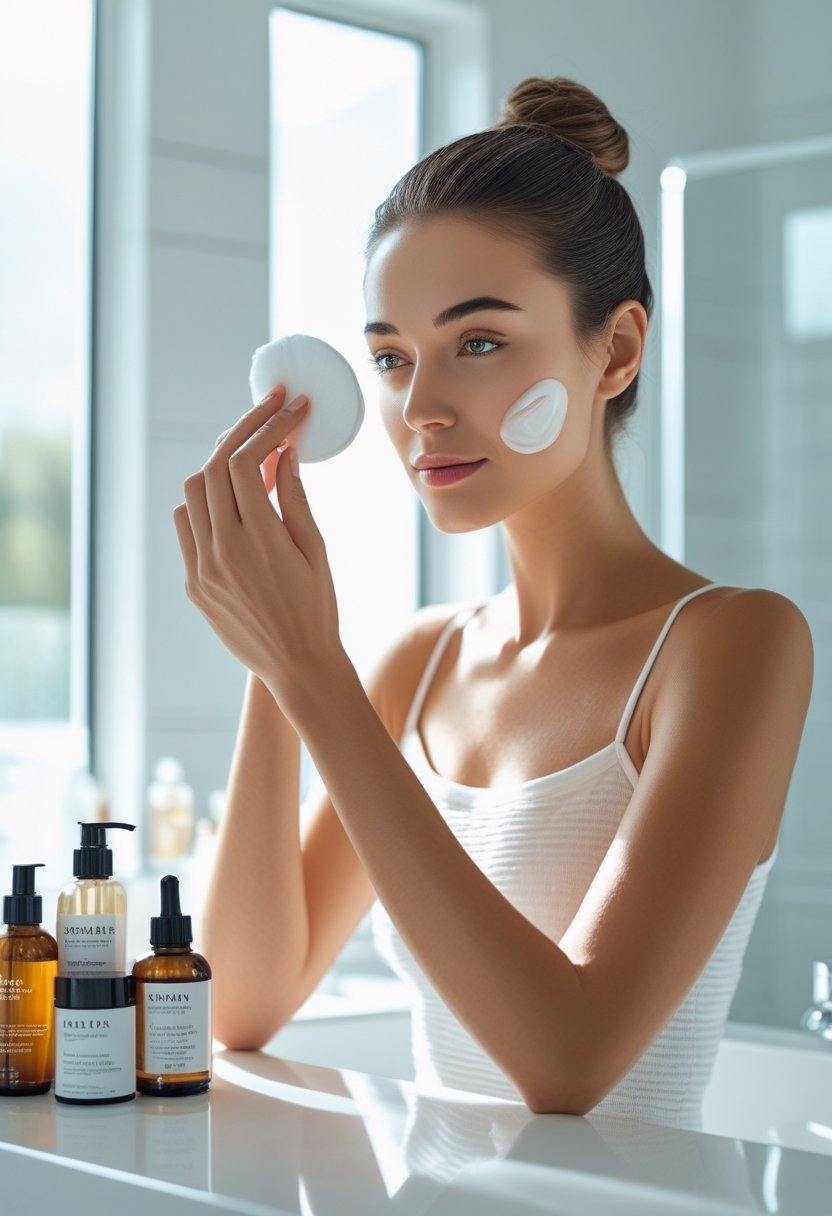
A consistent routine targeting pore cleanliness and skin hydration is essential. Using the right products and techniques prevents clogged pores and improves skin texture, which helps reduce the visible size of pores.
Gentle Cleansing Practices
A gentle cleanser is vital for removing dirt, oil, and makeup without stripping the skin’s natural barrier. Over-cleansing or using harsh soaps can irritate skin and cause pores to appear larger.
He or she should cleanse the face twice daily with a mild, non-comedogenic cleanser. Using lukewarm water helps avoid excess dryness or oil production.
Regular cleansing prevents buildup inside pores, reducing blockage and inflammation. This step prepares the skin for better absorption of other treatments.
Choosing the Right Moisturizer
A lightweight, non-greasy moisturizer is best for minimizing pores. Proper hydration balances oil production, preventing pores from stretching due to excess sebum.
Moisturizers containing ingredients like hyaluronic acid or glycerin hydrate without clogging pores. Avoid heavy creams or oils that can worsen pore congestion.
Applying moisturizer immediately after cleansing and toning locks in moisture, supports skin barrier repair, and keeps skin smooth. This reduces the rough texture that highlights large pores.
Benefits of Using a Toner
Toners help remove residual dirt and balance the skin’s pH after cleansing. They can also tighten pores temporarily and reduce excess oil.
Using an alcohol-free toner with ingredients like salicylic acid (a BHA) helps exfoliate inside pores. This prevents clogging and maintains pore clarity.
Regular toner use supports smoother skin texture and enhances the effectiveness of moisturizers and serums applied afterward. It also calms inflammation that can enlarge pores.
Effective Exfoliation Techniques
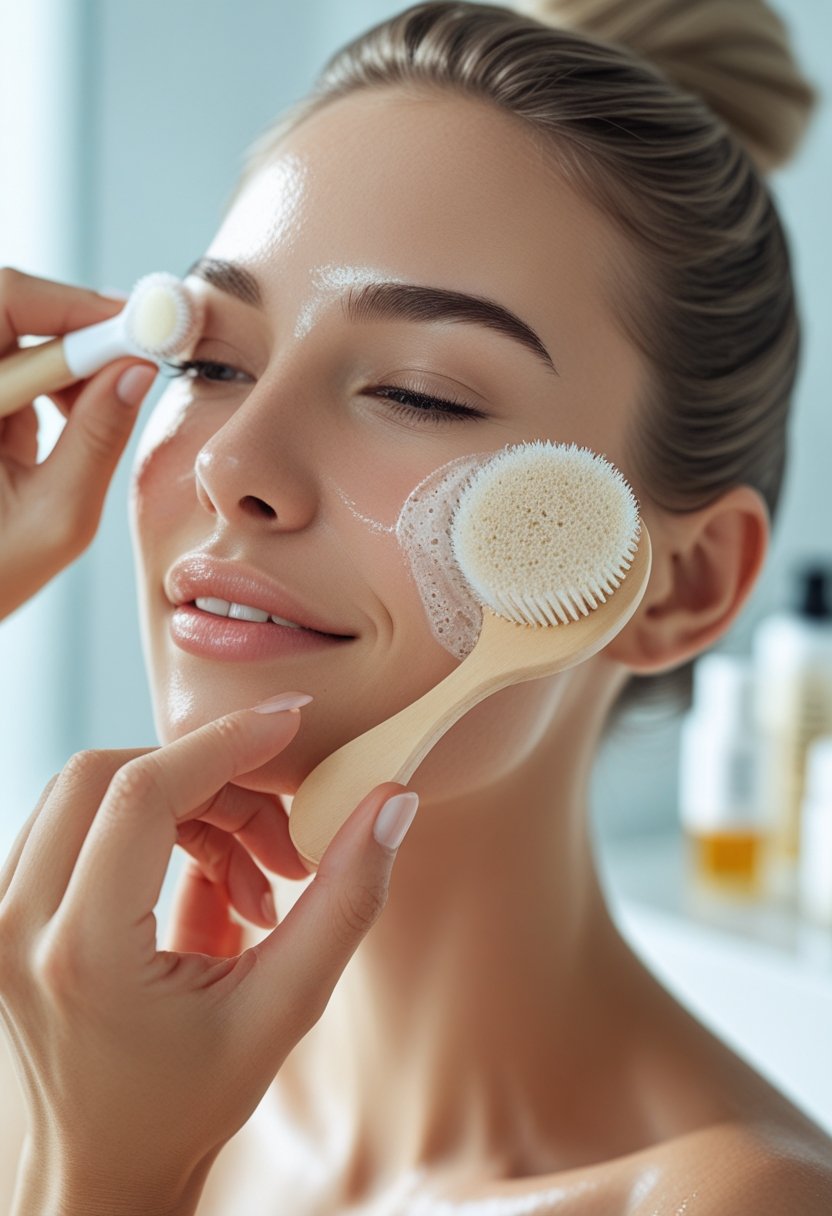
Exfoliation is essential to improve skin texture and reduce the appearance of open pores by removing dead skin cells and promoting cell renewal. Various methods target different skin concerns, including manual scrubbing and chemical exfoliation, each with distinct benefits and proper usage guidelines.
Physical Exfoliation Methods
Physical exfoliation uses small granules or tools to manually remove dead skin cells from the surface. Common options include facial scrubs, brushes, or exfoliating gloves. When choosing a facial scrub, it is crucial to pick one with fine, non-abrasive particles to avoid skin irritation, especially for sensitive or acne-prone skin.
Physical exfoliants improve circulation and temporarily smooth the skin. However, overuse or harsh scrubbing can lead to skin damage or worsen pore conditions by causing inflammation. It is advisable to exfoliate physically only 1-2 times a week and follow it with moisturizer to maintain skin hydration.
Chemical Exfoliation: AHAs and BHAs
Chemical exfoliation involves acids that dissolve dead skin cells without manual friction. Alpha hydroxy acids (AHAs) like glycolic or lactic acid work on the skin’s surface to improve texture and brightness. Beta hydroxy acid (BHA), commonly salicylic acid, penetrates deeper into pores to clear excess sebum and reduce pore blockage.
BHAs are particularly effective for oily or acne-prone skin because they exfoliate inside pores, thus shrinking their appearance. Chemical exfoliants require cautious use, starting slowly to avoid irritation, and must always be followed by sunscreen protection as they increase skin sensitivity to UV rays.
Role of Removing Dead Skin Cells
Removing dead skin cells is key to preventing pore congestion and dullness, which worsen open pores’ visibility. Dead cells can clog pores and promote oil buildup, creating an environment ripe for breakouts and skin texture issues.
Regular exfoliation clears away this layer, revealing fresher skin underneath and allowing skincare products to penetrate effectively. Both physical and chemical exfoliation contribute to this goal, but the choice depends on skin type and sensitivity. Maintaining a balance prevents over-exfoliation, which can harm the skin barrier and trigger enlarged pores.
Home Remedies to Close Open Pores
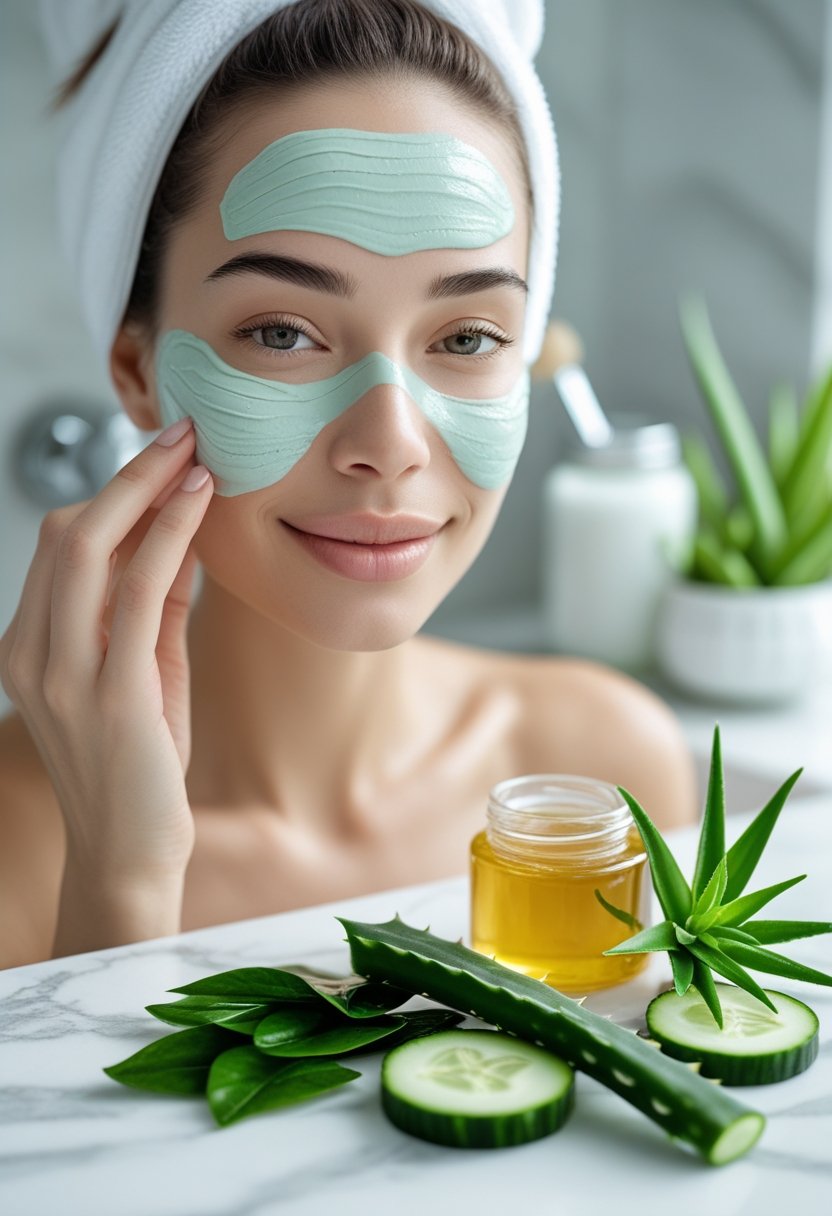
Several natural methods can help tighten and reduce the appearance of open pores. These remedies often target excess oil, dead skin, and uneven texture, which contribute to visible pores. Consistent use of simple ingredients and techniques can improve skin smoothness and brightness.
Using Ice Cubes for Instant Tightening
Applying ice cubes to the skin provides immediate pore tightening. The cold temperature causes blood vessels to constrict, reducing inflammation and tightening the skin surface. This results in temporarily smaller pores and a fresher, firmer feeling.
For best results, wrap an ice cube in a clean cloth and gently massage it over the face for 1-2 minutes. This is especially effective for oily skin, as it helps control excess sebum production. Regular use can also soothe irritated skin and enhance brightness.
Benefits of Clay Masks
Clay masks draw out dirt, oil, and impurities that clog pores, making them appear larger. Using clay masks regularly can improve skin texture and reduce pore size by cleansing deeply. They are especially helpful for oily and combination skin types.
Popular clays like bentonite and kaolin absorb excess oil and remove dead skin cells. This helps minimize pore visibility and prevents blackheads and acne. Applying a clay mask once or twice a week can maintain clearer, tighter skin without over-drying.
Natural Solutions: Kitchen Ingredients
Several kitchen ingredients offer affordable, effective solutions to shrink pores. Gram flour (besan) mixed with honey or yogurt acts as a gentle exfoliant and moisturizer, removing dead skin and tightening pores. Egg white masks also firm the skin, reducing pore size.
Baking soda can be used cautiously to exfoliate, but should not be overused as it may irritate the skin. Regular cleansing with these natural ingredients improves skin smoothness and brightness. Combining these treatments with proper hydration and sun protection enhances results.
Professional Treatments for Open Pores
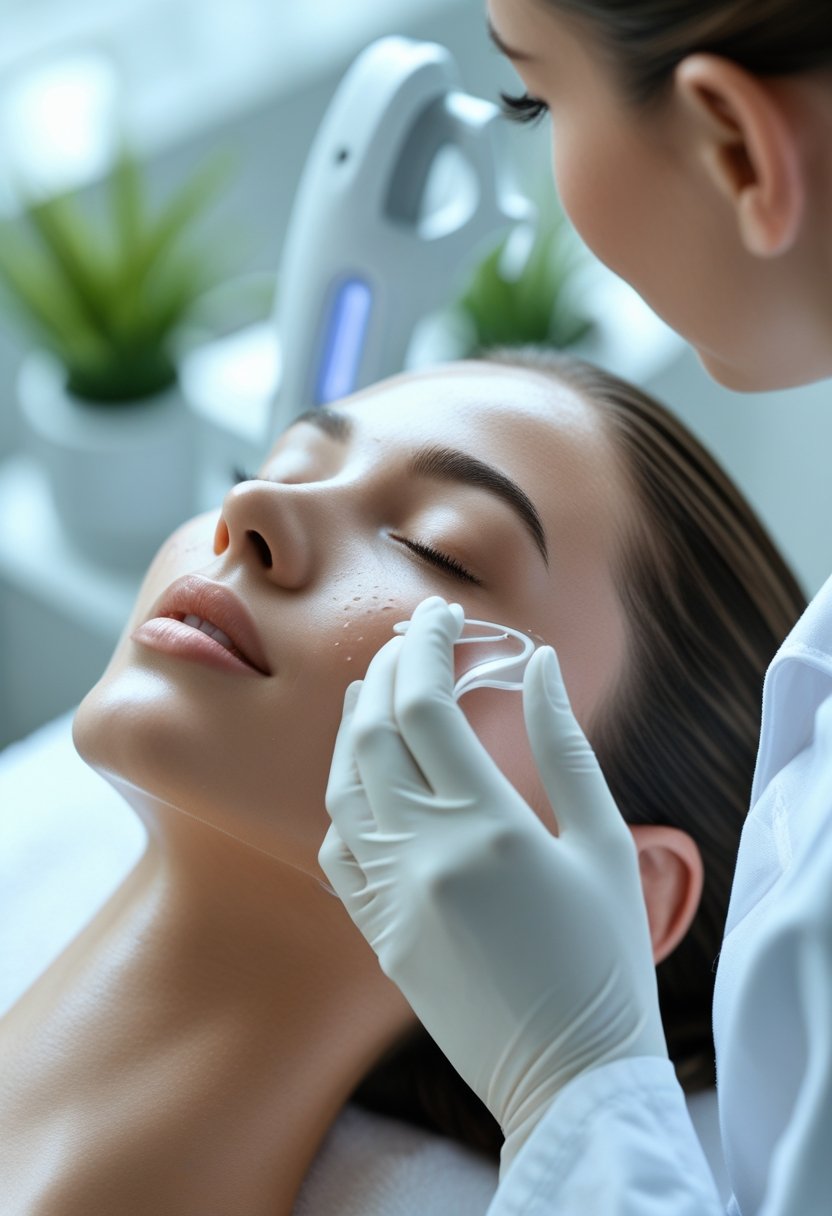
Several advanced treatments target open pores by addressing skin texture and promoting skin regeneration. These methods aim to reduce pore size by improving collagen production, exfoliating dead skin, or using focused energy therapies.
Chemical Peels and Their Benefits
Chemical peels use a chemical exfoliant to remove dead skin cells from the upper layer of the skin. This process exposes fresh skin while clearing clogged pores, making pores appear smaller.
Peels vary in strength from superficial to deep, depending on the chemicals used, such as glycolic acid or salicylic acid. They also encourage increased collagen production, which helps in firming the skin and refining pores over time.
Treatment frequency depends on peel type and skin sensitivity but typically ranges from 4 to 6 weeks. Side effects like redness or mild irritation are common but temporary.
Microneedling for Collagen Production
Microneedling involves tiny needles that create micro-injuries on the skin surface. These controlled injuries stimulate the body to produce new collagen and elastin, which are essential for skin strength and elasticity.
Higher collagen levels help tighten skin and reduce the visual size of pores. The treatment also enhances the absorption of skincare products, making them more effective post-procedure.
Sessions usually occur every 4 to 6 weeks and may require multiple visits for noticeable improvements. Recovery time is short, with minor redness lasting a few days.
Laser Treatment for Pore Reduction
Laser treatment uses concentrated light energy to target skin layers deeply without harming the surface. This stimulates collagen production and skin tightening around pores.
There are different laser types, such as fractional and non-ablative lasers, tailored to individual skin needs. These treatments reduce oiliness and shrink pores while improving overall skin texture.
Generally, patients need a series of 3 to 5 sessions spaced over several weeks. Some redness and swelling may occur but typically subside within a few days, making laser therapy a highly effective option for open pores.
Makeup and Lifestyle Tips for Smoother Skin
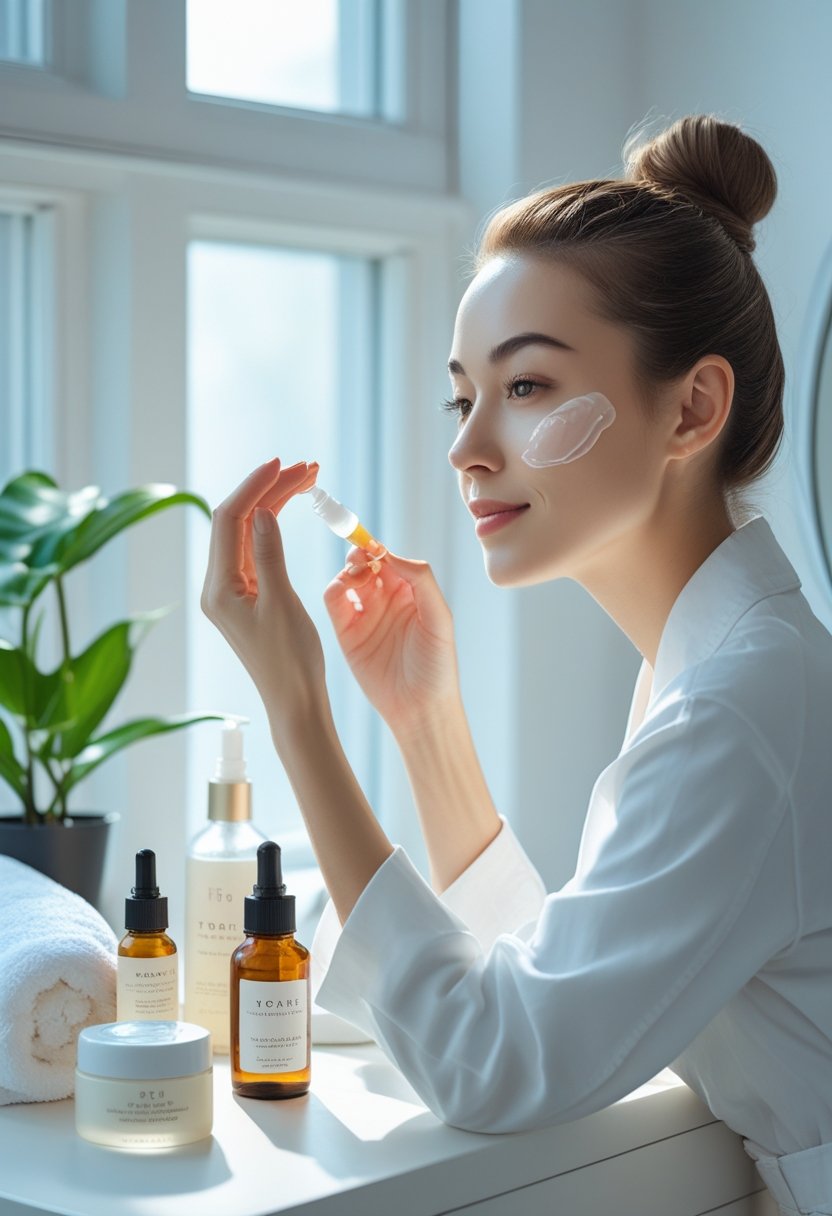
Achieving smoother skin with less visible pores involves strategic skincare and lifestyle choices. Using the right products and protecting skin from damage helps improve texture, while diet and hydration play crucial roles in maintaining pore health.
Prepping Skin with Primers
Primers are essential for minimizing the appearance of pores before applying makeup. They create a smooth base by filling in fine lines and unevenness, leading to a softer, more uniform skin surface.
A good primer controls excess oil and mattifies the skin, which prevents pores from becoming clogged and prominent throughout the day. Silicone-based primers are particularly effective for creating a poreless look.
For best results, apply primer on clean, moisturized skin. Gently pat it into areas where pores are most visible, such as the nose and cheeks, rather than rubbing vigorously.
Importance of Sunscreen
Daily use of sunscreen protects skin from UV damage, which can weaken skin elasticity around pores, making them look larger. Broad-spectrum sunscreens with at least SPF 30 prevent this degradation.
Sun exposure can also thicken the skin’s outer layer, trapping oil and debris in pores. Consistent sunscreen application helps maintain smooth skin texture and reduces the chances of pores appearing enlarged.
Applying sunscreen as the last step of skincare in the morning and reapplying every two hours outdoors is crucial for ongoing protection.
Diet and Hydration Habits
Hydration keeps the skin plump, which naturally minimizes the look of pores by improving elasticity and texture. Drinking sufficient water daily supports the skin’s natural barrier function.
A diet rich in antioxidants, vitamins A and C, and omega fatty acids helps reduce inflammation and supports overall skin health. Avoiding excess sugar and processed foods lowers the risk of oil overproduction, limiting pore congestion.
Consuming fruits, vegetables, and healthy fats while maintaining hydration contributes to clearer, smoother skin and less noticeable pores.
Preventing Pore Enlargement
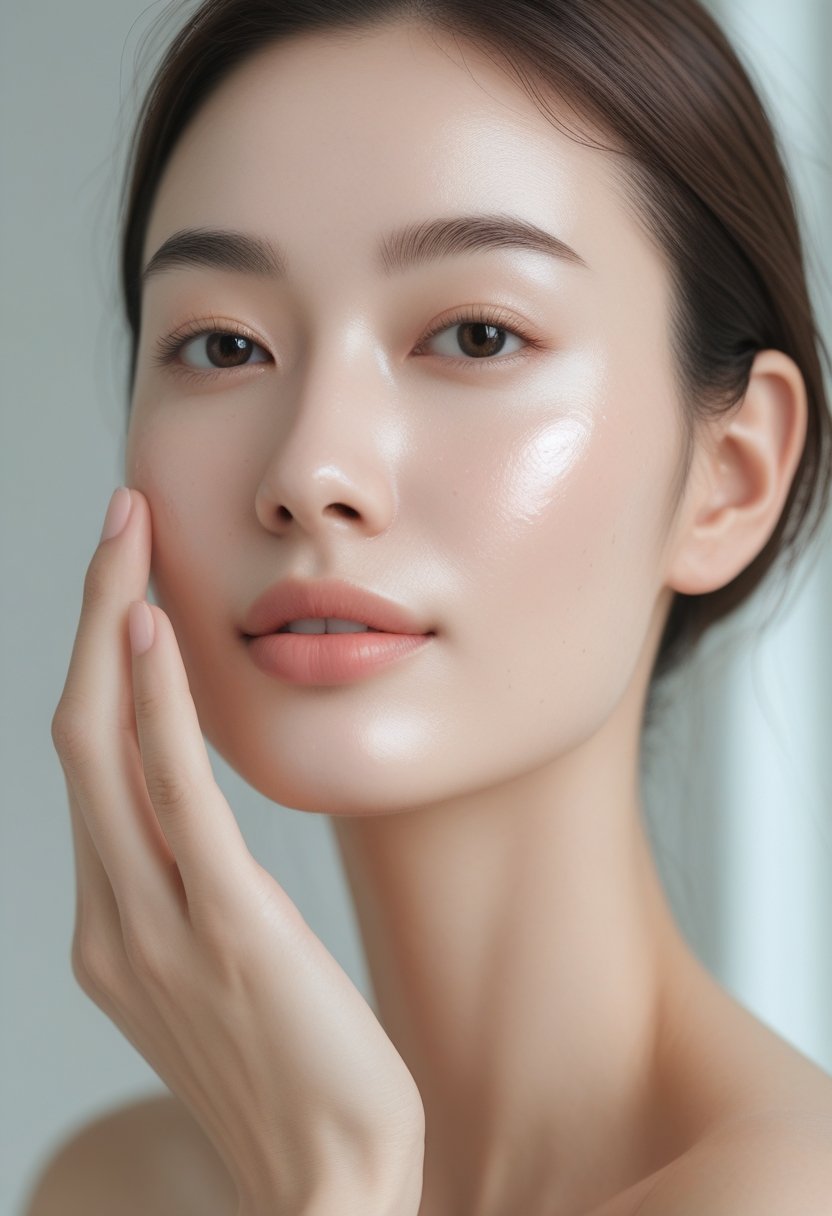
Consistent care and avoiding harmful habits are essential to keep pores from becoming larger. Proper cleansing and avoiding factors that clog pores can help maintain a smoother, healthier complexion.
Maintaining a Consistent Routine
A regular skincare routine plays a vital role in preventing pore enlargement. Cleansing twice daily removes excess oil, dirt, and bacteria that can clog pores and cause blackheads. Using a gentle, non-comedogenic cleanser is important to avoid irritation, especially for acne-prone skin.
Incorporating exfoliation 1-2 times a week helps remove dead skin cells, which can block pores. Chemical exfoliants like salicylic acid are effective because they penetrate pores and clear out buildup without causing damage. Moisturizing daily with an oil-free product keeps skin balanced and prevents excess oil production.
Sun protection is also necessary. UV damage weakens skin structure around pores, causing them to stretch and appear larger. Applying broad-spectrum sunscreen daily supports skin health and pore appearance.
Avoiding Common Pore-Clogging Habits
Certain habits increase the risk of blocked pores and pore enlargement. Frequently touching the face transfers bacteria and oils, promoting blockage and potential acne outbreaks. Picking or squeezing blackheads worsens inflammation and can cause pores to enlarge permanently.
Using heavy or pore-clogging makeup may trap debris inside pores. Choosing non-comedogenic and oil-free makeup products reduces this risk.
Skipping makeup removal before bed leaves impurities on skin overnight, encouraging clogged pores and bacteria growth. Removing makeup thoroughly every night helps unclog pores and maintain clearer skin. Avoiding harsh scrubbing or abrasive products prevents irritation and swelling around pores.
