
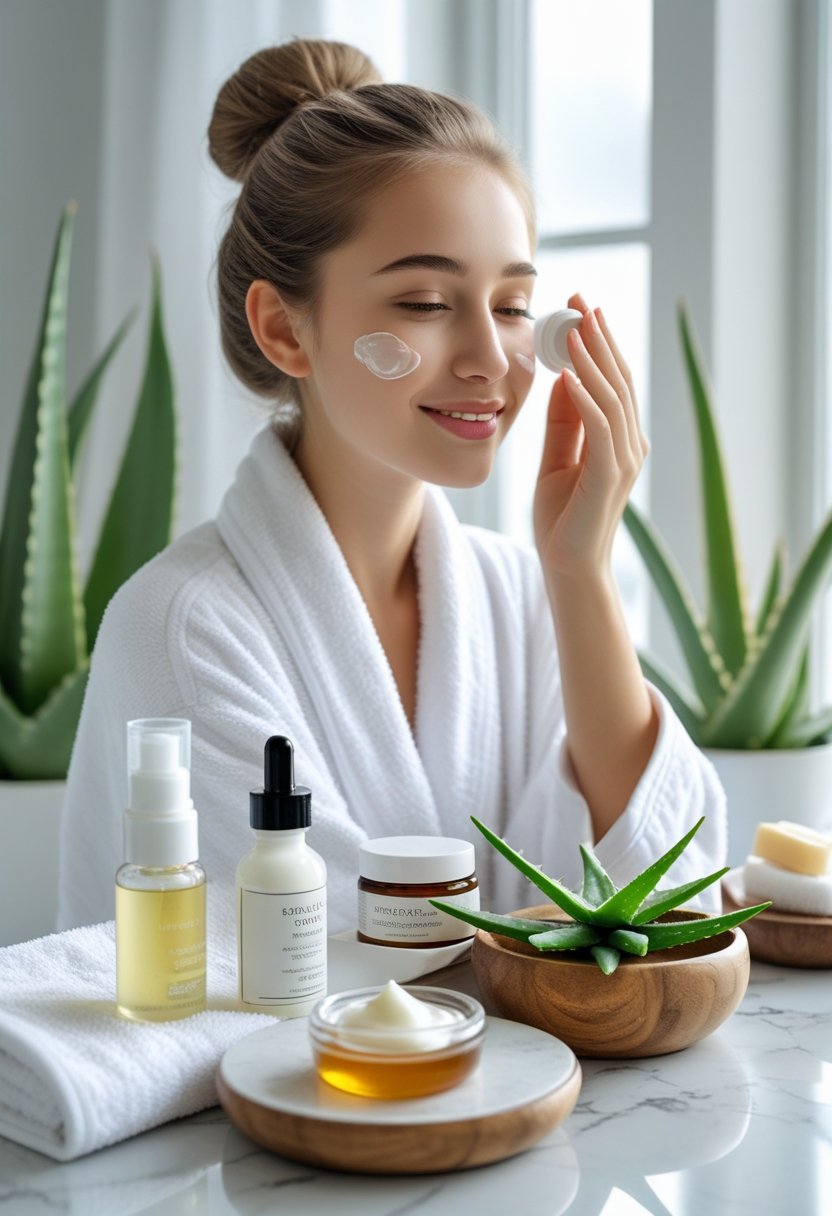

Many teen girls want to enhance their natural beauty without relying heavily on makeup or products. Developing a simple routine focused on healthy skin, hair, and overall well-being can help build confidence and self-esteem. Natural beauty tips that emphasize hydration, gentle skincare, and embracing one’s unique features create a lasting sense of confidence.
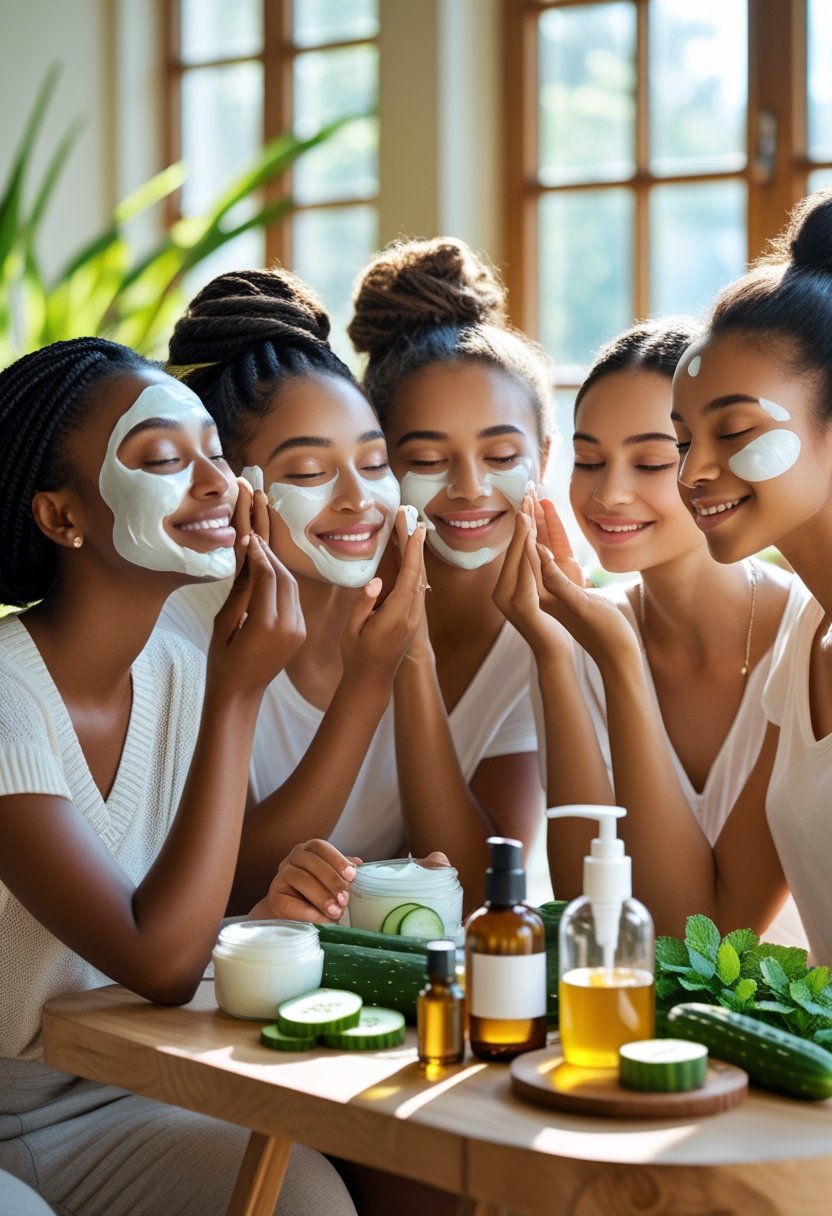
Taking care of the skin by drinking plenty of water, eating nutrient-rich foods, and using minimal makeup can help maintain a fresh and healthy appearance. Regular hair care and choosing gentle products support a natural look that feels authentic. This approach encourages girls to appreciate their individuality while fostering a positive self-image.
Understanding Natural Beauty for Girls
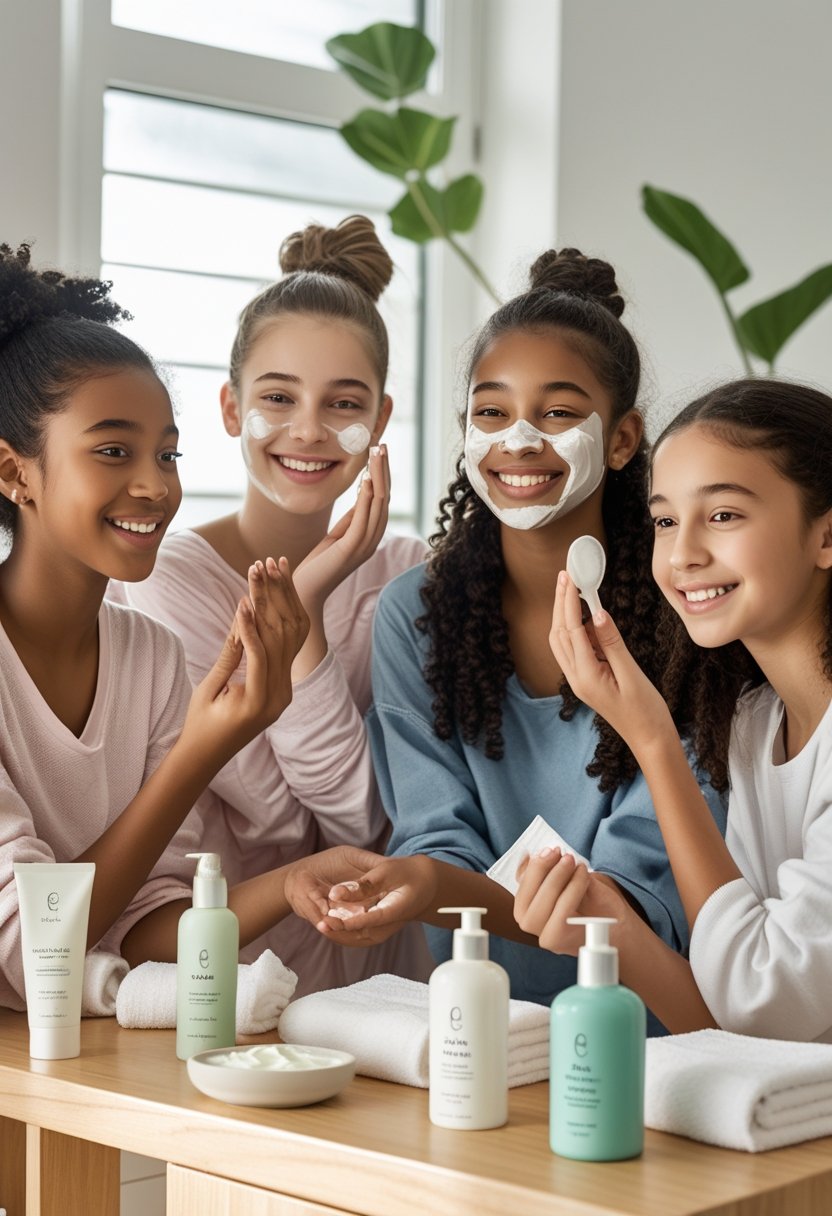
Natural beauty comes from more than just outward appearance. It involves recognizing individual traits, developing inner confidence, and maintaining habits that support overall health. These elements work together to create a genuine, lasting radiance.
Embracing Your Unique Features
Each girl has distinct facial features and qualities that define her natural look. Instead of trying to match others, she should focus on what makes her different and special. Appreciating skin tone, hair texture, eye shape, and other characteristics builds a foundation for authentic beauty.
Taking time to care for these features with gentle skincare or simple grooming helps enhance rather than mask natural traits. For example, regular cleansing and moisturizing suited to her skin type maintain clarity and softness without heavy makeup. This approach encourages a glow that looks and feels real.
Building Self-Confidence
Confidence plays a crucial role in natural beauty, influencing how a teen girl presents herself and interacts with others. Self-esteem grows from recognizing strengths, setting personal boundaries, and accepting imperfections with kindness.
Positive self-talk and surrounding herself with supportive people contribute to sustained confidence. Learning to pause before comparing herself to others or seeking validation through appearance helps her stay grounded in self-worth. When she believes in her value, her natural radiance becomes more visible.
The Importance of Healthy Habits
A healthy lifestyle directly affects skin, hair, and overall appearance. Drinking enough water daily hydrates the body and supports clear, glowing skin. Balanced nutrition, especially fruits and vegetables rich in vitamins and antioxidants, fuels natural vitality.
Regular physical activity improves circulation, which can enhance skin tone and texture. Adequate sleep allows the body and skin to repair. Avoiding excessive makeup and harsh chemicals reduces irritation and preserves skin’s natural balance, contributing to sustained beauty over time.
Daily Skincare Routine Essentials
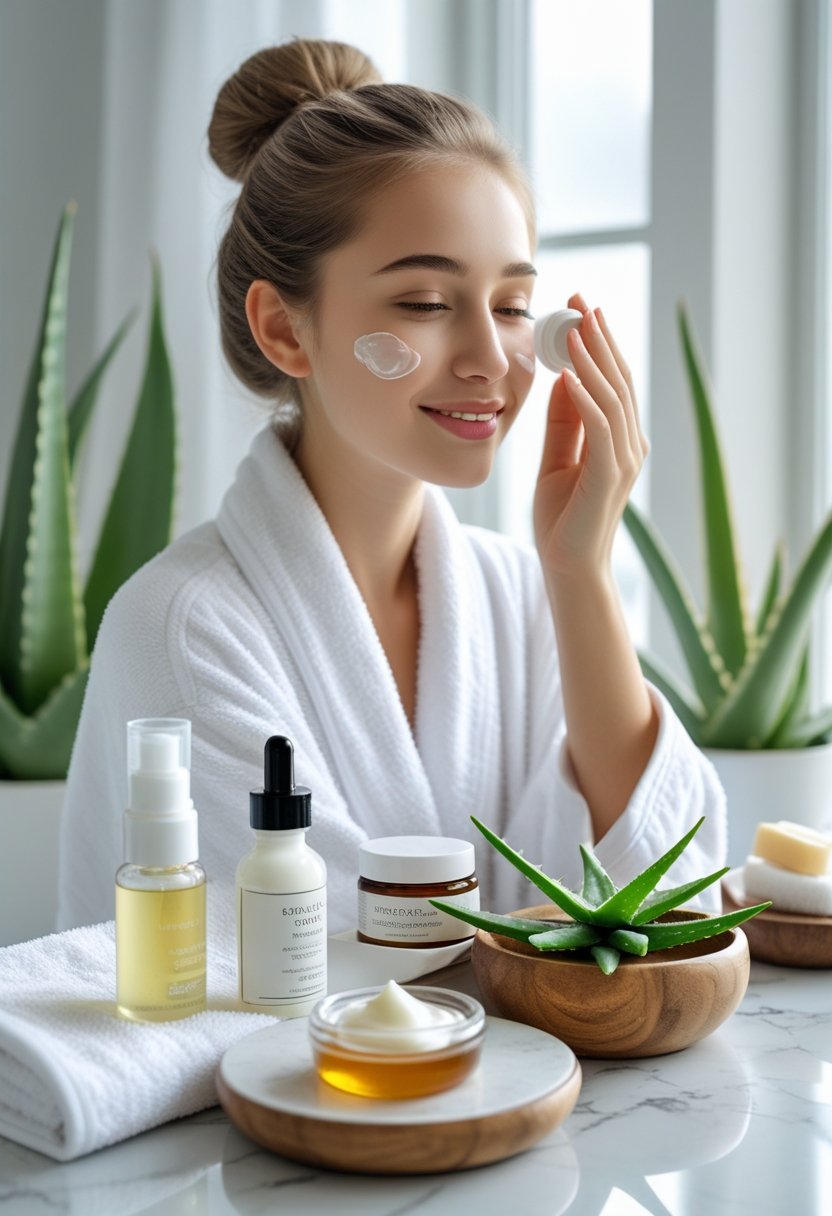
A consistent daily routine tailored to individual needs improves skin health and appearance. Key components focus on recognizing skin type, choosing gentle cleansing methods, incorporating toning for balance, and applying suitable moisturizers to maintain hydration without clogging pores.
Identifying Your Skin Type
Knowing skin type is crucial for selecting appropriate products. Common types include oily, dry, combination, and sensitive skin. Oily skin typically looks shiny with enlarged pores, while dry skin feels tight and may flake.
Combination skin shows oiliness in the T-zone but dryness elsewhere. Sensitive skin is prone to redness and irritation. Testing skin after cleansing, without products for a few hours, helps reveal natural characteristics.
Choosing non-comedogenic and gentle formulas depends on this identification to avoid acne or inflammation, especially for teenage skin that may be prone to breakouts.
Gentle Cleansing Methods
Cleansing removes dirt, oil, and impurities without stripping natural oils. Use a gentle cleanser designed for one’s skin type, avoiding harsh ingredients like sulfates. For teenage skin, mild foaming or cream cleansers work well.
Wash the face twice daily with lukewarm water to prevent irritation. Over-cleansing can damage the skin barrier; a balanced approach preserves moisture.
Pat skin dry with a soft towel instead of rubbing. For oily skin, blotting sheets can be used between washes to control shine without over-cleansing.
Toning for Freshness
Toners restore skin’s pH balance and remove residual impurities left after cleansing. They prepare skin to absorb moisturizers more effectively.
Choose alcohol-free toners with soothing ingredients such as witch hazel or rose water, especially for sensitive or teenage skin. Avoid toners containing astringents that can dry out or irritate.
A simple toner application involves lightly dabbing with a cotton pad or hands to prevent overuse. Toning should feel refreshing without tightness or dryness.
The Role of Moisturizing
Moisturizing maintains hydration and strengthens the skin barrier. Even oily or acne-prone skin needs moisturizer to prevent excess oil production.
Use a lightweight, non-comedogenic moisturizer suited to skin type. For dry skin, richer creams with ingredients like hyaluronic acid or ceramides help lock in moisture.
Applying moisturizer immediately after toning, while skin is slightly damp, enhances absorption. For teenage skin, daily moisturizing supports healthy skin function and reduces sensitivity.
Protection and Prevention for Radiant Skin
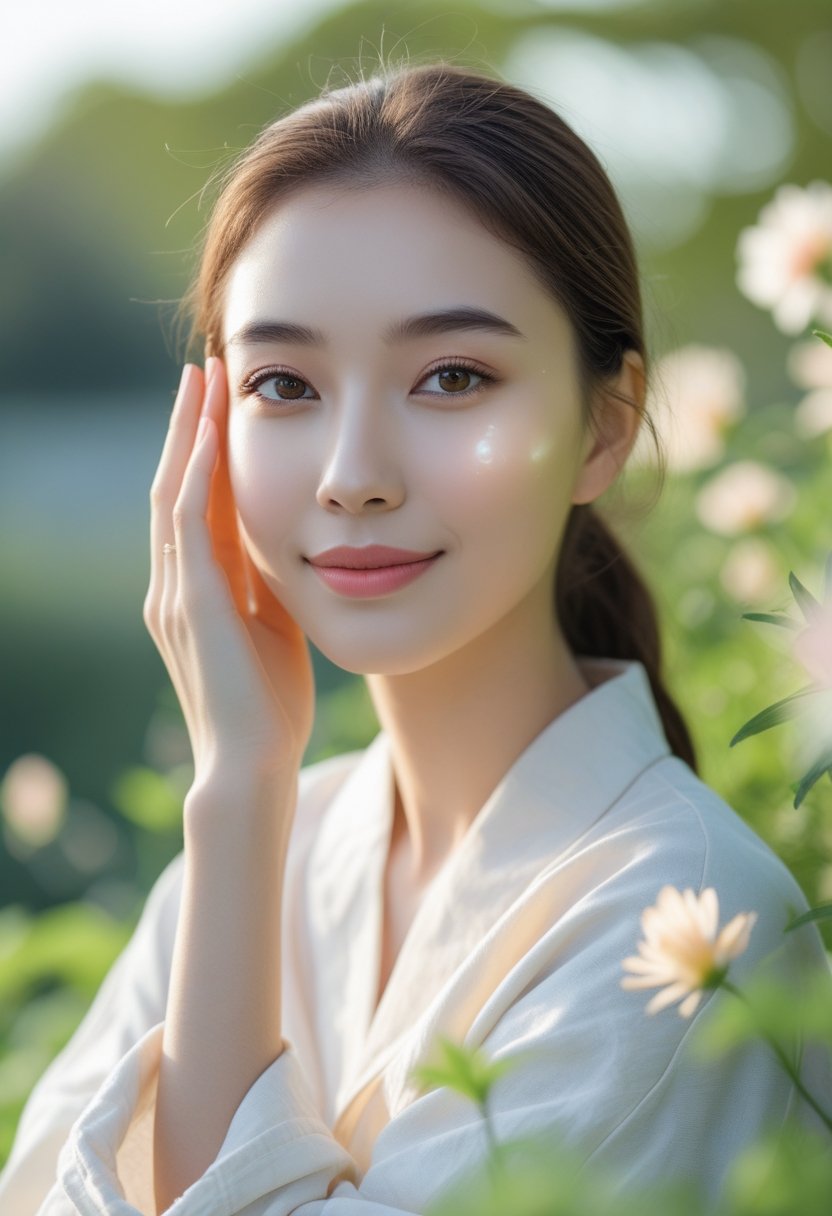
Maintaining radiant skin requires consistent care through proper protection and preventive habits. Key elements include shielding the skin from harmful UV rays, keeping it hydrated, nourishing it with essential nutrients, and ensuring restorative sleep to support skin health.
The Importance of Sunscreen
Sunscreen is essential for protecting skin from UV damage that accelerates aging, causes sunburn, and increases the risk of skin cancer. For effective protection, it should be broad-spectrum, guarding against both UVA and UVB rays, with an SPF of at least 30.
Applying sunscreen every day, even when indoors or under clouds, prevents cumulative skin damage. It should be applied 15-30 minutes before sun exposure and reapplied every two hours or after swimming or sweating.
Using sunscreen prevents dark spots and uneven skin tone, which are common signs of sun damage. Selecting formulas suited for individual skin types, such as non-comedogenic for oily skin or moisturizing for dry skin, enhances daily use and skin comfort.
Hydration for Healthy Skin
Hydration is fundamental for maintaining skin elasticity, smoothness, and a radiant appearance. Drinking sufficient water daily helps replenish moisture lost through sweat and environmental exposure.
Topical hydration with natural moisturizers like aloe vera, hyaluronic acid, or glycerin supports the skin’s moisture barrier. Hydrated skin resists dryness, redness, and irritation better, maintaining an even texture.
Both oily and dry skin types benefit from hydration, but product choice matters. Lightweight, oil-free lotions suit oily skin, while richer creams are better for dry or sensitive skin to lock in moisture without clogging pores.
Balanced Diet and Whole Grains
Nutrition plays a direct role in skin health. A balanced diet rich in whole grains, fruits, vegetables, and lean proteins supplies antioxidants, vitamins, and minerals necessary for skin repair and protection.
Whole grains provide complex carbohydrates and fiber that regulate blood sugar and reduce inflammation, which can otherwise worsen acne and skin sensitivity. They also support steady energy levels important for maintaining skin functions.
Foods high in vitamins A, C, and E, such as leafy greens and berries, enhance collagen production and protect against oxidative stress. Reducing processed sugars and unhealthy fats further prevents breakouts and dullness.
Quality Sleep and Its Impact
Adequate sleep is critical for skin regeneration and combating signs of fatigue, such as dark circles and dullness. During sleep, the body repairs damaged cells, producing collagen that maintains skin firmness.
Adults should aim for 7-9 hours of uninterrupted sleep each night to optimize this repair process. Poor sleep can increase inflammation and cortisol levels, which contribute to skin aging and sensitivity.
Maintaining a consistent sleep schedule and creating a restful environment improves sleep quality. Avoiding screens before bed and managing stress also prevent sleep disturbances that can negatively impact skin appearance.
Managing and Treating Acne Naturally
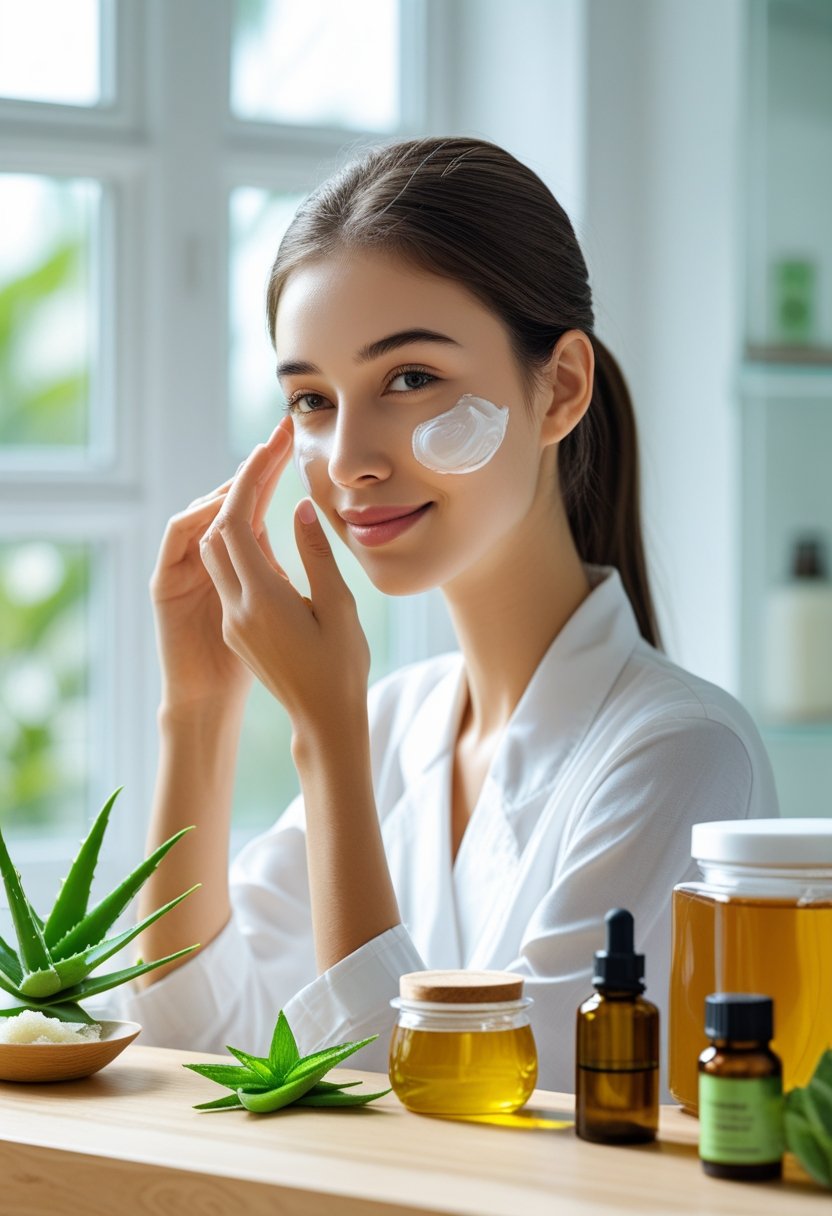
Acne breakouts often stem from excess oil, bacteria, and clogged pores. Managing these factors with consistent habits, proven treatments, and natural remedies can improve skin health. Knowing when to seek professional advice ensures the right care for persistent or severe acne.
Everyday Habits to Prevent Breakouts
Daily skin care routines play a crucial role in reducing acne. Washing the face twice daily with a gentle, oil-free cleanser helps remove dirt and excess oil without stripping the skin. Avoiding harsh scrubs is important to prevent irritation.
Using non-comedogenic moisturizers keeps skin hydrated without clogging pores. Consistent use of sunscreen protects skin without worsening acne. Maintaining a balanced diet and managing stress can also impact oil production and inflammation.
They should avoid touching their face frequently to reduce bacterial transfer. Regularly washing pillowcases and phone screens helps limit contact with acne-causing bacteria.
Targeted Treatments: Salicylic Acid and Benzoyl Peroxide
Salicylic acid is a beta hydroxy acid that penetrates pores to exfoliate, reducing clogging and inflammation. It is effective for oily skin prone to blackheads and whiteheads. Products with 0.5-2% salicylic acid concentrations are commonly used.
Benzoyl peroxide kills acne-causing bacteria and reduces oil production. It is a potent treatment for inflammatory acne but can cause dryness or irritation. Starting with lower concentrations (2.5-5%) helps adjust skin tolerance.
Both ingredients are often available in cleansers, gels, and spot treatments. Users should apply them consistently but avoid overuse to prevent skin barrier damage. Combining these with non-comedogenic moisturizers can reduce side effects.
Natural Remedies: Tea Tree Oil and Aloe Vera
Tea tree oil offers antibacterial and anti-inflammatory properties that help decrease acne lesions. It should be diluted before applying to skin to avoid irritation. Studies suggest it can be as effective as low-concentration benzoyl peroxide with fewer side effects.
Aloe vera soothes irritation, reduces redness, and promotes healing. It contains antioxidants that support skin repair. Applying pure aloe vera gel directly to affected areas can calm inflamed skin and support recovery.
Both remedies work best as complementary treatments to daily cleansing routines. Patch testing is recommended to ensure no allergic reactions occur, especially with tea tree oil.
Knowing When to Consult a Dermatologist
If acne persists despite natural and over-the-counter treatments, consulting a dermatologist is advisable. Severe acne, such as cystic or nodular types, requires professional care to prevent scarring and complications.
A dermatologist may prescribe topical retinoids, antibiotics, or hormonal therapies based on acne severity and skin type. They can also provide guidance on combining natural remedies safely with medical treatments.
Early consultation helps tailor a treatment plan that addresses root causes effectively and maintains skin health over time.
Gentle Exfoliation and Special Care Steps
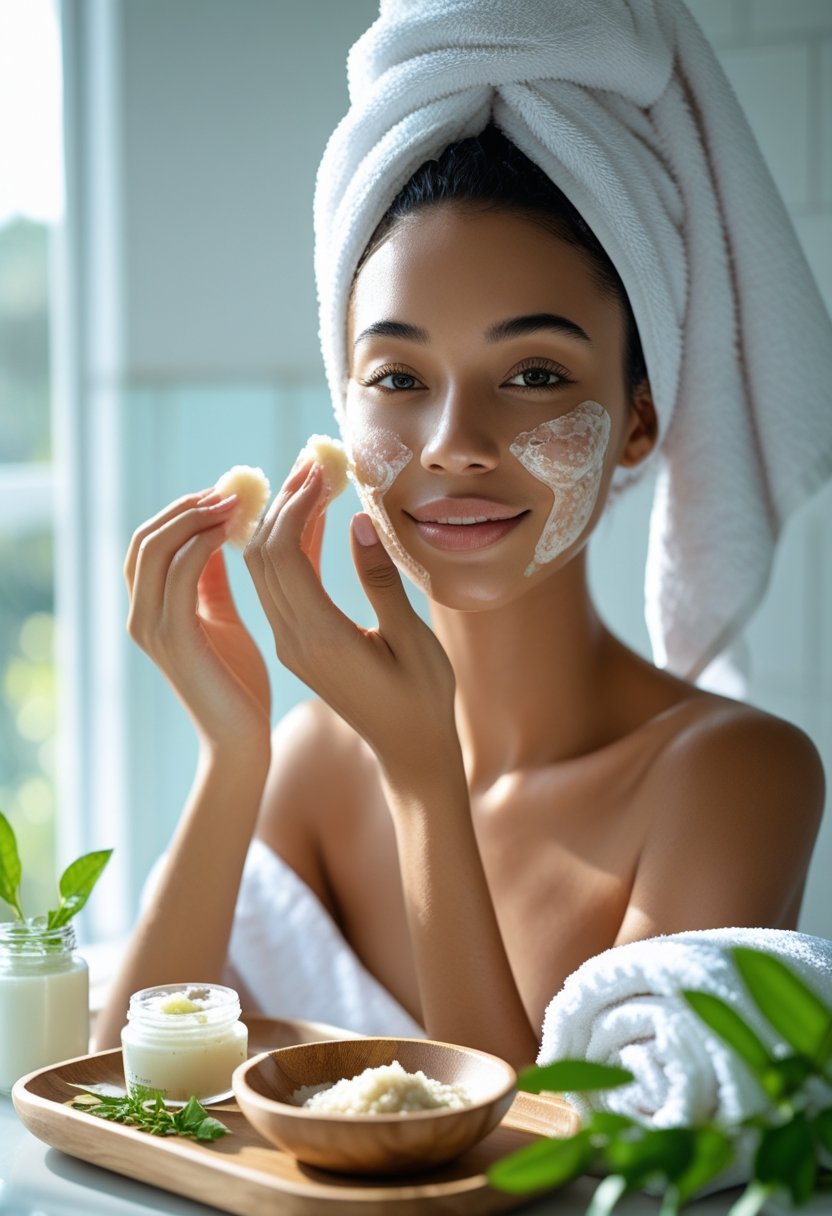
Maintaining healthy skin involves careful exfoliation and choosing the right products to avoid clogging pores or causing irritation. Special attention is needed for different skin types to ensure effective care without damage.
Weekly Exfoliation Techniques
Exfoliation should be done once or twice a week to remove dead skin cells without over-stripping the skin. Using natural exfoliants like finely ground oatmeal, sugar, or jojoba beads is recommended because they are gentle and avoid microbead pollution.
Chemical exfoliants containing lactic acid or mandelic acid offer mild, effective alternatives for sensitive skin. These dissolve dead cells without harsh scrubbing, reducing redness and irritation risks. Over-exfoliating or using abrasive scrubs can damage the skin barrier, so light, circular motions are best.
Non-Comedogenic Products and Makeup
Choosing non-comedogenic skincare and makeup products is essential for preventing clogged pores and acne. Ingredients labeled non-comedogenic are less likely to block pores, making them safer for acne-prone or oily skin.
When selecting foundation, BB cream, tinted moisturizer, or concealer, look for formulas that balance coverage and skin health. Lightweight and oil-free options help maintain natural skin functions without trapping dirt or oil. Regularly cleansing at night removes these products gently to avoid buildup.
Addressing Sensitive and Combination Skin
Sensitive skin requires extra care to prevent irritation and redness. Using fragrance-free, hypoallergenic products with soothing ingredients like aloe vera or chamomile helps calm the skin.
Combination skin benefits from targeted treatment: gentle exfoliation on oily areas and hydrating care on dry zones. Avoiding harsh scrubs and using chemical exfoliants can balance uneven skin texture without provoking sensitivity.
Adjusting routines seasonally can also protect sensitive or combination skin from climate-related stresses.
Natural Hair Care Principles

Proper hair care requires understanding how each step contributes to maintaining healthy, strong hair. Using the right products, protecting strands from damage, and supporting the scalp’s health all play essential roles. Attention to these details can improve hair texture, promote growth, and reduce breakage.
Choosing a Suitable Shampoo
Selecting a shampoo tailored to hair type and needs is crucial. Shampoos with harsh sulfates or chemicals can strip natural oils, leading to dryness and brittle strands. Gentle, sulfate-free options are better for preserving moisture, especially for curly or textured hair.
It is important to shampoo only as often as needed. Over-washing can remove essential oils the scalp produces, while under-washing allows buildup that can clog follicles. A balance usually means washing 1-3 times per week, depending on individual scalp oiliness and activity level.
Look for shampoos containing natural ingredients like aloe vera, tea tree, or herbal extracts, which can soothe the scalp and cleanse effectively without irritation.
Conditioning for Strength and Shine
Conditioner restores moisture lost during shampooing and strengthens the hair shaft. It should be applied mainly to the mid-lengths and ends, where damage and dryness are more common. Avoid applying conditioner to the scalp to prevent buildup and clogged pores.
Ingredients such as shea butter, argan oil, and hydrolyzed proteins help nourish the hair, improve elasticity, and reduce frizz. Deep conditioning treatments once a week can provide extra hydration and repair damage from environmental stressors.
Consistent conditioning improves hair manageability and adds natural shine without weighing hair down. Rinsing thoroughly is important to avoid residue that can dull hair.
Tips for Hair Growth and Scalp Health
Healthy hair growth starts with a well-maintained scalp. Regular scalp massages can stimulate blood circulation, promoting nutrient delivery to hair follicles. Using lightweight oils like jojoba or castor oil supports scalp hydration without clogging pores.
A gentle hair care routine that avoids harsh chemicals and excessive manipulation prevents breakage, helping hair retain length. Diet and hydration also affect hair strength, so balanced nutrition supports healthy growth from the inside.
Avoiding tight hairstyles that stress hair roots prevents follicle damage. Patience and consistency are key; visible results often appear after 3 to 4 months of proper care.
Heat Protection and Styling
Using heat-based styling tools without protection can cause dryness, split ends, and breakage. Applying a heat protectant spray before blow-drying, flat ironing, or curling adds a protective barrier that reduces moisture loss.
Heat protectants often contain silicones or natural oils that smooth the hair cuticle and prevent damage from temperatures above 300°F (150°C). It is advisable to use the lowest effective heat setting and limit styling frequency to minimize harm.
When possible, opt for air drying or heatless styles to maintain hair integrity. Consistent heat protection preserves hair strength and shine over time.
Minimal and Natural Makeup Enhancement

A natural makeup routine emphasizes subtle changes that highlight features without overwhelming the skin. It involves choosing lightweight products and applying them strategically to achieve a fresh, polished appearance.
Makeup for a Natural Look
To create a natural look, start with a light base such as a BB cream or a tinted moisturizer, which evens out skin tone without heaviness. Avoid heavy foundation to keep the skin looking fresh and breathable.
Use concealer only on areas needing extra coverage like under the eyes or blemishes. Add a soft flush with blush in natural tones, applied lightly on the cheeks.
For eyes, apply one or two coats of mascara to define lashes without clumping. Shape and fill in brows minimally to maintain their natural look. Finish with a tinted lip balm for a hint of color and hydration. This makeup style requires minimal steps but enhances key facial features elegantly.
Best Products for Teenage Skin
Teenage skin often requires gentle products that respect its sensitivity and oil balance. Lightweight formulations are best, such as BB creams with added SPF for daily protection and hydration.
Choose concealers that are non-comedogenic and blend easily to avoid clogging pores. For blush, matte or cream formulas that mimic the skin’s natural flush work well.
Avoid heavy foundations with thick coverage or products containing heavy oils. Look for mascaras that won’t irritate sensitive eyes, preferably those labeled hypoallergenic.
Tinted lip balms that offer moisturizing benefits without strong fragrances or dyes are ideal for teenagers, providing a healthy and natural finish.
Removing Makeup the Right Way
Gentle makeup removal is essential for maintaining healthy skin, especially with natural looks that still use products like mascara and concealer. Start with a micellar water or gentle makeup remover safe for sensitive skin.
Use a soft cotton pad or microfiber cloth to wipe off makeup without harsh rubbing. For eye makeup, choose an oil-free remover to avoid irritation but effectively dissolve mascara.
After removing makeup, cleanse the face with a mild cleanser to remove residual product and impurities. Follow with a light moisturizer to restore hydration.
Proper removal prevents clogged pores and irritation, preserving the skin’s natural glow and cleanliness.
Nail and Hand Care for Everyday Beauty
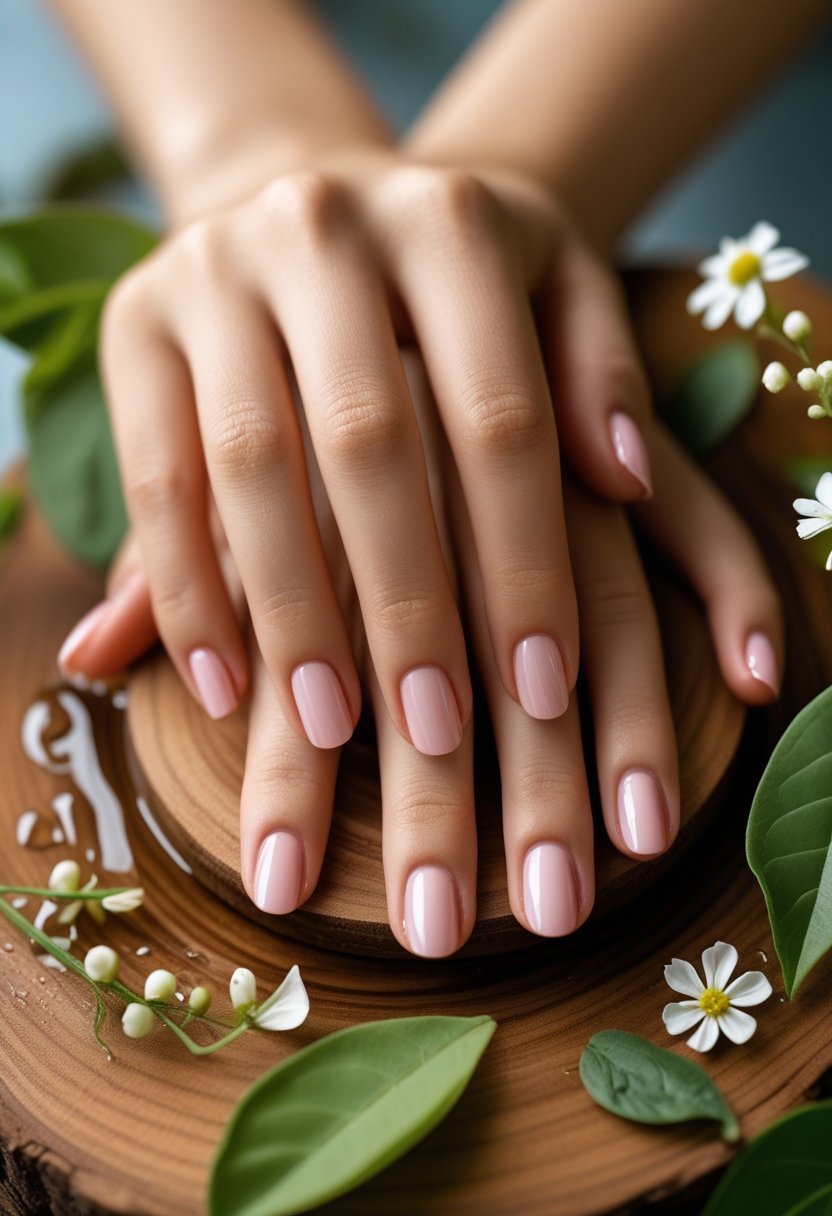
Maintaining healthy nails and hands requires consistent care and attention to daily habits. Proper moisture, gentle treatment, and mindful product choices directly affect nail strength and skin condition. This section outlines practical steps to keep nails and hands looking their best naturally.
Healthy Nail Maintenance Habits
Nails need regular cleaning and trimming to prevent damage and infections. Using a soft nail brush helps remove dirt without causing abrasion. Avoid biting or picking nails, as this weakens them and may lead to brittleness or breakage.
Moisturizing nail beds and surrounding skin daily is crucial. Applying oils rich in vitamin E or natural ingredients like almond oil supports nail flexibility. Protecting nails from harsh chemicals or excessive water exposure minimizes dryness and splitting.
Balanced nutrition also plays a role. Iron and biotin deficiencies can cause weak nails, so a diet rich in leafy greens, nuts, and lean proteins supports natural nail growth and resilience.
Safe Nail Polish Application
Choosing non-toxic nail polish reduces exposure to harmful chemicals such as formaldehyde or toluene, which can cause nail damage over time. Opt for polishes labeled “3-free” or more to avoid these irritants.
Before applying polish, nails should be clean, dry, and smooth. Lightly buffing the nail surface promotes better adhesion and prevents peeling. A base coat protects the nail from staining and strengthens the surface.
Apply polish in thin, even coats, allowing each layer to dry fully. Finish with a top coat to seal the color and add shine. Removing polish with gentle, acetone-free removers helps preserve nail moisture and prevents brittleness.
Caring for Hands and Cuticles
Daily hand care involves regular cleansing paired with moisturizing to prevent dryness and cracking. Using mild, fragrance-free soaps reduces irritation and maintains natural oils.
Cuticle maintenance is essential for healthy nail growth. Avoid cutting cuticles, which can cause infections. Instead, gently push them back after softening with cuticle oil or warm water. This keeps the nail root clear without damage.
Wearing gloves during household chores or gardening protects both skin and nails from harsh detergents and dirt. Consistent hydration and protection are key for smooth, youthful hands.
Holistic Habits for Long-Term Natural Beauty
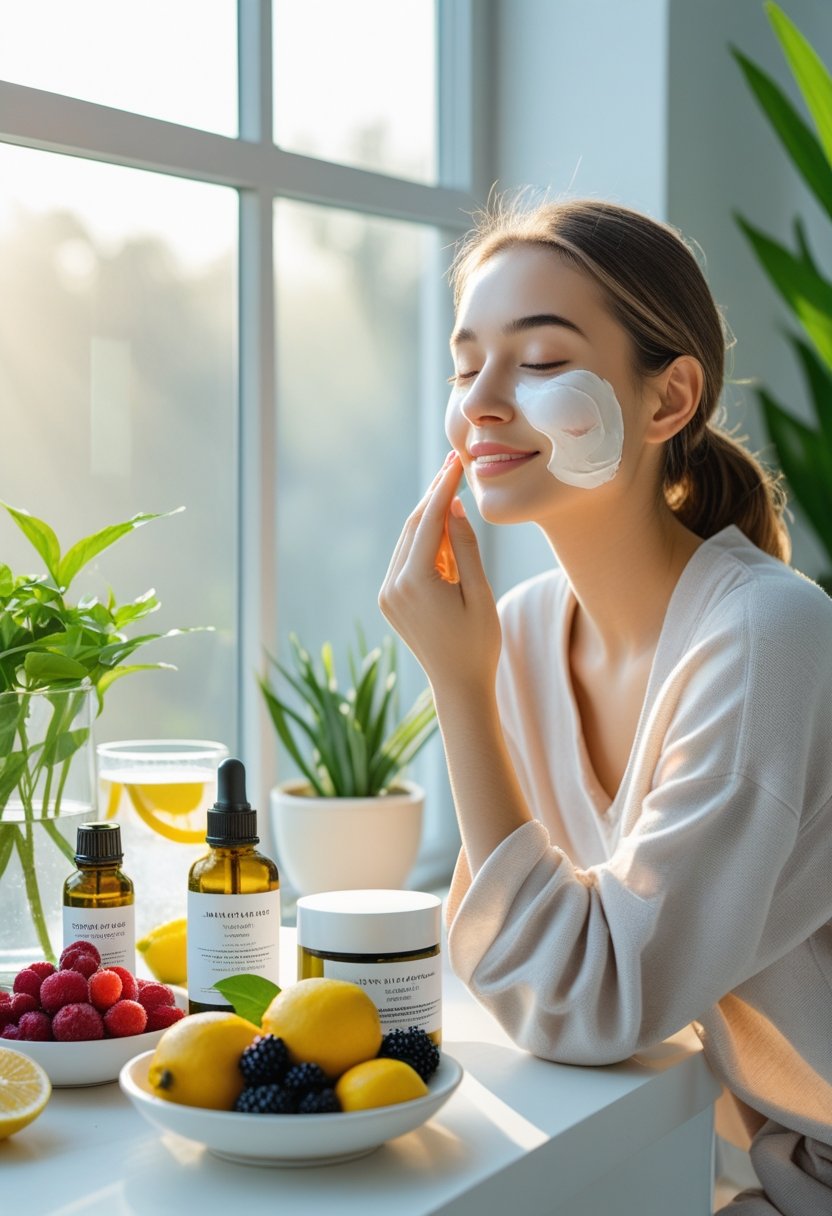
Maintaining natural beauty requires consistent care that supports both body and mind. Key practices include physical activity to boost circulation, mindful techniques to reduce stress, and using nourishing ingredients to protect skin and hair.
Exercise and Physical Activity
Regular exercise improves blood flow, which helps deliver oxygen and nutrients to skin cells. This process supports a natural glow and aids in the removal of toxins through sweat. Activities like walking, cycling, or swimming promote cardiovascular health and keep muscles toned.
Physical activity also enhances mood by releasing endorphins, reducing signs of fatigue and stress that often show on the skin. For long-term benefits, at least 30 minutes of moderate exercise most days of the week is recommended.
Stress Management With Yoga and Meditation
Stress negatively impacts natural beauty through hormonal imbalances that cause skin issues, such as acne or dullness. Yoga and meditation are effective tools for managing stress and calming the mind.
Yoga combines gentle movement with deep breathing, improving circulation and encouraging relaxation. Meditation supports mental clarity and reduces anxiety, which can otherwise accelerate aging signs. A consistent daily practice, even just 10 minutes, helps maintain hormonal balance and promotes healthier skin.
Nourishing Skin and Hair With Shea Butter
Shea butter is a natural fat extracted from the nuts of the shea tree. It is rich in vitamins A and E, fatty acids, and antioxidants, which help to moisturize, protect, and repair skin and hair.
Applied regularly, shea butter softens dry, rough areas and soothes irritation without clogging pores. For hair, it seals moisture, reduces frizz, and strengthens strands. It is suitable for sensitive skin types and can be used alone or combined with other natural oils for enhanced hydration.
