
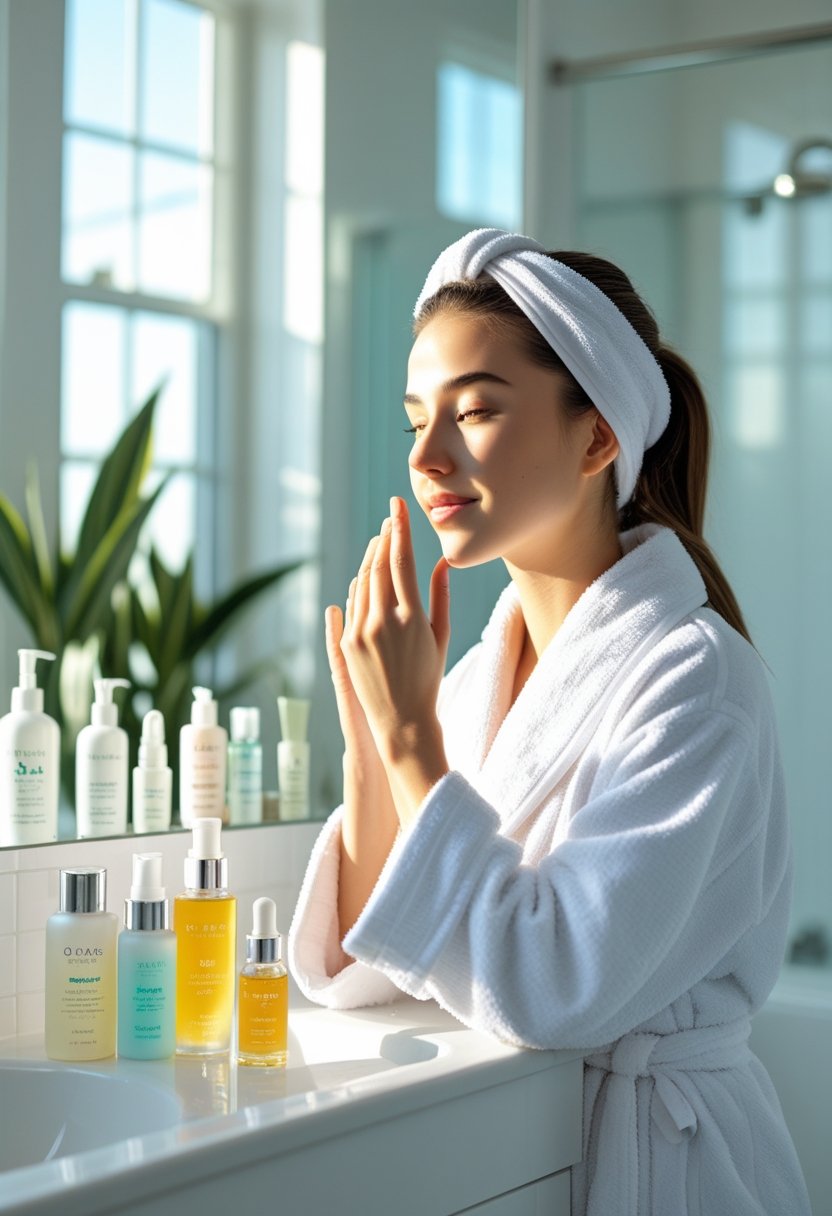

A morning skin care routine sets the foundation for healthy, protected skin throughout the day. The key to an effective routine is applying products in the correct order, starting with cleansing and ending with sunscreen to shield the skin from UV damage. This approach helps maintain hydration, prevents breakouts, and supports skin health.

Many dermatologists recommend a simple regimen tailored to individual skin types, focusing on essentials like gentle cleansing, targeted treatments, and sun protection. Following a consistent, step-by-step morning routine not only improves the skin’s appearance but also enhances its resilience over time.
Why a Morning Skin Care Routine Matters
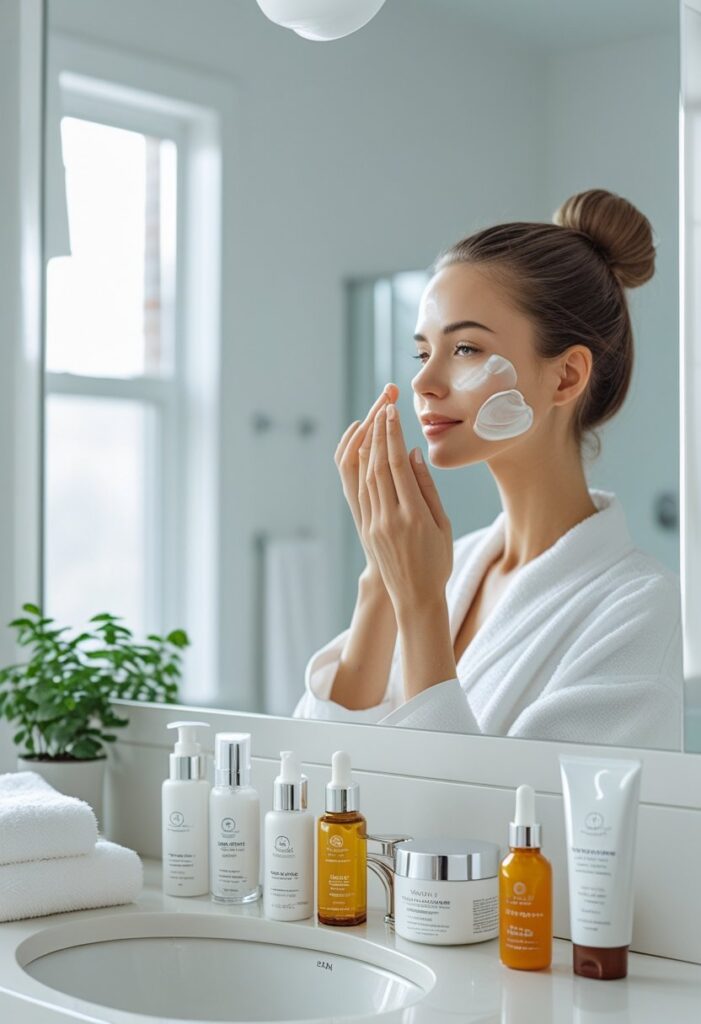
A morning skincare routine is essential for cleansing overnight buildup, hydrating skin, and providing a base for protection throughout the day. It helps maintain skin health, shields against daily environmental stressors, and supports the skin’s natural repair processes crucial to slowing signs of aging.
Benefits for Healthy Skin
Starting with a clean face removes sweat, oils, and dead skin cells that accumulate overnight. This prevents clogged pores and dullness, promoting a clearer complexion.
Hydration is key in the morning routine. Applying moisturizers or serums helps restore moisture lost during sleep, maintaining skin elasticity and smoothness. Consistent hydration also aids barrier function, reducing irritation and dryness.
Regular morning care maintains balanced skin by prepping it for further treatments and makeup. This foundational step supports overall skin resilience, making healthy skin more achievable daily.
Protection Against Environmental Damage
Morning skincare creates a shield against pollutants, UV rays, and free radicals encountered throughout the day. Sunscreen is a critical part of this routine, blocking harmful UV radiation that accelerates skin damage and discoloration.
Antioxidant-rich serums, like those containing vitamin C, defend against free radicals from sunlight and pollution. These molecules cause oxidative stress, which can break down collagen and harm skin cells.
Applying protective products during a morning routine mitigates environmental damage, keeping the skin’s surface strong and reducing the risk of premature aging caused by external factors.
Supporting Collagen and Preventing Skin Aging
Collagen production naturally declines with age, leading to wrinkles and loss of firmness. A morning routine that includes treatments with peptides or retinoids can stimulate collagen synthesis to maintain skin structure.
Daily protection helps prevent collagen degradation caused by UV exposure and free radicals. Early intervention through the right products slows visible signs of aging.
Supporting collagen through a consistent skincare regimen improves skin texture and resilience over time, minimizing fine lines and maintaining youthful skin appearance.
Essential Steps in a Morning Skin Care Routine

A consistent morning skincare routine begins with removing impurities and preparing the skin. Following cleansing, balancing skin pH and applying treatments that protect against environmental damage are key. Each step builds a foundation for healthy skin throughout the day.
Step 1: Cleansing
Cleansing in the morning removes sebum, sweat, and overnight buildup like dead skin cells and pollutants. Using a gentle cleanser or micellar water helps clean the skin without stripping its natural oils.
Micellar water is effective for lightly cleaning and refreshing sensitive skin because it lifts dirt with minimal rinsing. For those with oily or combination skin, a foaming or gel cleanser can control excess oil while maintaining hydration.
Choosing the right cleanser matters. It should match the skin type and not disrupt the skin’s moisture barrier. This first step ensures pores are clear and skin is ready for the absorption of active ingredients used later in the routine.
Step 2: Toning
Toning restores the skin’s pH balance after cleansing, calming and hydrating the surface. A good toner primes the skin for the next steps by tightening pores and removing any leftover residue.
Many toners contain soothing ingredients like witch hazel or rose water, but formulations with added antioxidants provide extra protection against free radicals. This step can reduce skin redness and promote an even texture.
Applying toner with a cotton pad or by patting it gently with clean hands improves circulation and prepares the skin to better absorb serums and moisturizers.
Step 3: Antioxidant Serum Application
Applying an antioxidant serum is crucial in the morning to protect skin from environmental stressors like UV rays and pollution. Serums rich in antioxidants neutralize free radicals, which can cause premature aging and damage.
Popular ingredients include Vitamin C derivatives, such as in the Beautystat Universal C Skin Refiner, known for its stability and efficacy in brightening and strengthening skin. Consistent use helps reduce dullness and supports collagen production.
The serum should be applied after toner and allowed a few moments to absorb fully. This treatment forms a protective barrier while preparing the skin for moisturizer and sunscreen.
Moisturizing and Eye Care

Proper hydration is key to maintaining healthy skin and addressing specific needs like dryness or oiliness. Careful selection and application of moisturizer and eye cream support skin’s balance and protect delicate areas.
Step 4: Choosing the Right Moisturizer
Selecting a moisturizer depends on skin type and concerns. For dry skin, heavier creams with ingredients like hyaluronic acid or ceramides are effective to lock in moisture. Those with oily skin should opt for lightweight, non-comedogenic lotions or gels that hydrate without clogging pores.
Moisturizers often contain additional benefits such as SPF or antioxidants. Choosing a product suited to the day’s environment—like a moisturizer with SPF for outdoor exposure—is important for protection.
It is important to apply moisturizer while the skin is still slightly damp after cleansing. This helps seal in hydration and improves the product’s effectiveness.
Step 5: Applying Eye Cream
Eye cream addresses sensitive skin that is thinner and more prone to dryness and fine lines. It typically contains soothing and hydrating ingredients like peptides, caffeine, or hyaluronic acid.
Apply eye cream gently using the ring finger to avoid excessive pressure. Dab a small amount around the orbital bone, avoiding direct contact with the eyes to prevent irritation.
Eye creams designed for puffiness or dark circles often have targeted ingredients. Consistent use can improve the skin’s appearance but should be matched to specific needs rather than used as a general moisturizer substitute.
Sun Protection as the Final Step
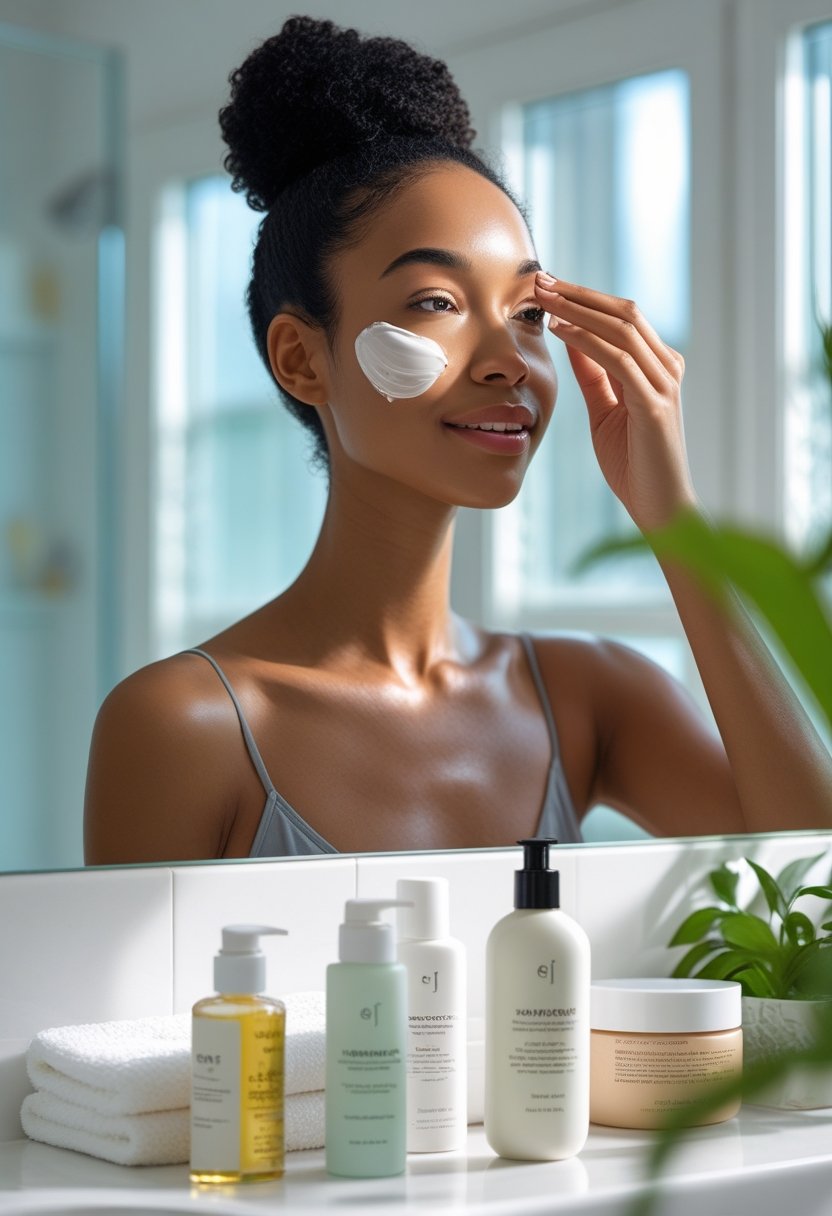
Sun protection is essential for preventing skin damage and aging caused by UV rays. Applying sunscreen as the last step ensures it forms an effective barrier on the skin. Choosing the right type of sunscreen and understanding SPF’s role will optimize daily protection.
Selecting a Broad Spectrum Sunscreen
A broad spectrum sunscreen protects against both UVA and UVB rays. UVA rays penetrate deeply, causing premature aging, while UVB rays primarily cause burns. A product labeled “broad spectrum” ensures defense against both types, which is crucial for comprehensive skin protection.
The recommended SPF (Sun Protection Factor) should be at least 30 for everyday use. Heavier exposure to sun, such as outdoor activities, may require higher SPF values. Sunscreens come in various forms—lotions, gels, and sticks—allowing choice based on skin type and preference.
Applying sunscreen 15 minutes before sun exposure helps it bind properly to the skin. Reapplication every two hours or after sweating or swimming is necessary, even when using broad spectrum products.
Importance of SPF in Daily Routine
SPF measures the level of protection against UVB rays, which cause sunburn and contribute to skin cancer risk. A daily SPF 30 or higher shields the skin during regular outdoor exposure and incidental sunlight, like walking or driving.
Including SPF in the morning routine prevents cumulative UV damage over time. Even on cloudy days, up to 80% of UV rays can penetrate the skin, making daily use critical.
Wearing sunscreen daily supports other skincare goals by reducing inflammation and minimizing dark spots. It also enhances the effectiveness of moisturizers and serums applied underneath by preventing UV-induced breakdown of active ingredients.
Personalizing Your Morning Skincare Routine
A morning skincare routine should be tailored to individual skin characteristics and concerns. Adjusting products and steps based on skin type and specific needs improves effectiveness and supports skin health throughout the day.
Identifying Your Skin Type
The foundation of personalization is knowing the skin type: oily, dry, combination, normal, or sensitive. Oily skin tends to produce excess sebum, leading to shine and potential breakouts. Dry skin often feels tight, flaky, or rough due to lack of moisture. Combination skin exhibits oiliness in the T-zone and dryness in other areas.
Identifying skin type helps select suitable cleansers, moisturizers, and treatments. For example, gentle foaming cleansers work well for oily skin, while creamy or hydrating cleansers better suit dry skin. Testing products in small amounts over days can clarify how skin responds.
Adapting Steps for Oily or Dry Skin
Oily skin benefits from lighter, non-comedogenic products that control oil and prevent clogging pores. A gel cleanser followed by a lightweight, oil-free moisturizer balances hydration without excess shine. Incorporating a toner with salicylic acid can help reduce blemishes and refine pores.
For dry skin, hydration and barrier support are priorities. A creamy, moisturizing cleanser and a richer emollient moisturizer help restore moisture. Adding a hydrating serum with humectants like hyaluronic acid improves water retention. Exfoliation should be gentle and limited to avoid irritation or increased dryness.
Recommended Ingredients for Specific Needs
Specific ingredients address common concerns and improve routine effectiveness. Retinol promotes cell turnover and reduces wrinkles but may cause dryness, so it suits evening use or combination with proper moisturizers.
For oily skin:
- Salicylic acid regulates oil and unclogs pores
- Niacinamide reduces inflammation and controls sebum
For dry skin:
- Hyaluronic acid boosts hydration
- Ceramides strengthen the skin barrier
Personalizing ingredient choices ensures that each product targets the unique challenges of the skin type without causing irritation or imbalance.
Tips for Maximizing Morning Skin Care Results
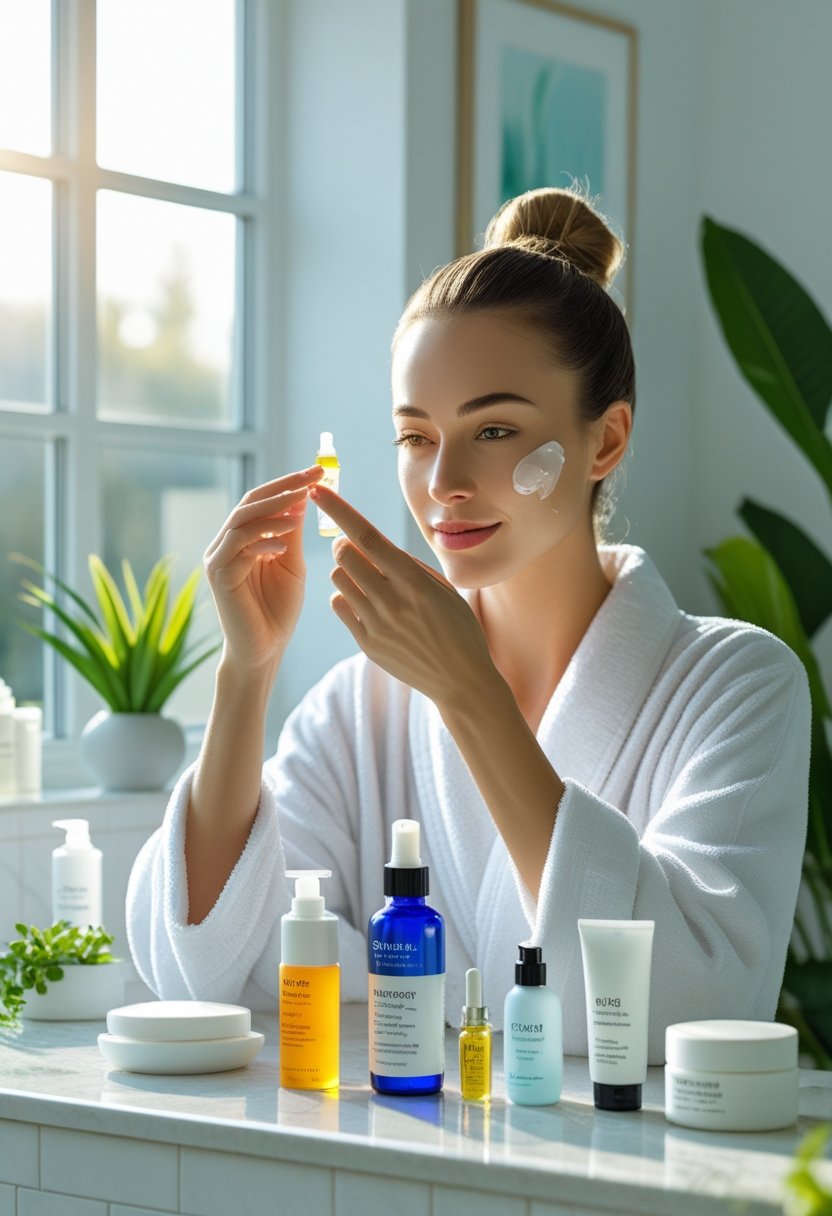
To get the best outcome, understanding the correct order for applying products is essential. Avoiding typical errors can also help maintain skin health and enhance the effectiveness of the routine.
Layering Products Effectively
The order of application matters for absorption and performance. Start with the lightest texture, such as serums or essences, which penetrate deeply. Follow with thicker creams or oils to seal moisture.
Be consistent: apply each product on clean, slightly damp skin. This aids product absorption. Wait about 30 seconds between layers to let each product settle.
Use sunscreen as the final step every morning. It protects skin against harmful UV rays and locks in hydration.
A simple layering order looks like this:
- Cleanser
- Toner or exfoliant (if used)
- Serum or treatment
- Moisturizer
- Sunscreen
Common Mistakes to Avoid
Skipping sunscreen is a significant mistake that undermines other steps. Even on cloudy days, UV protection prevents premature aging and damage.
Over-exfoliating in the morning can strip skin of natural oils, leading to dryness or irritation. Limit exfoliation to a few times a week or as recommended.
Applying too much product can clog pores and cause breakouts. Use the suggested amount—usually pea-sized or a few drops for serums.
Neglecting to cleanse properly in the morning leaves dirt and oil that reduce product effectiveness. A gentle cleanser removes buildup without drying the skin.
Using incompatible products—such as mixing strong actives without professional advice—can cause irritation or reduce benefits. Stick to products designed for the skin type.
