
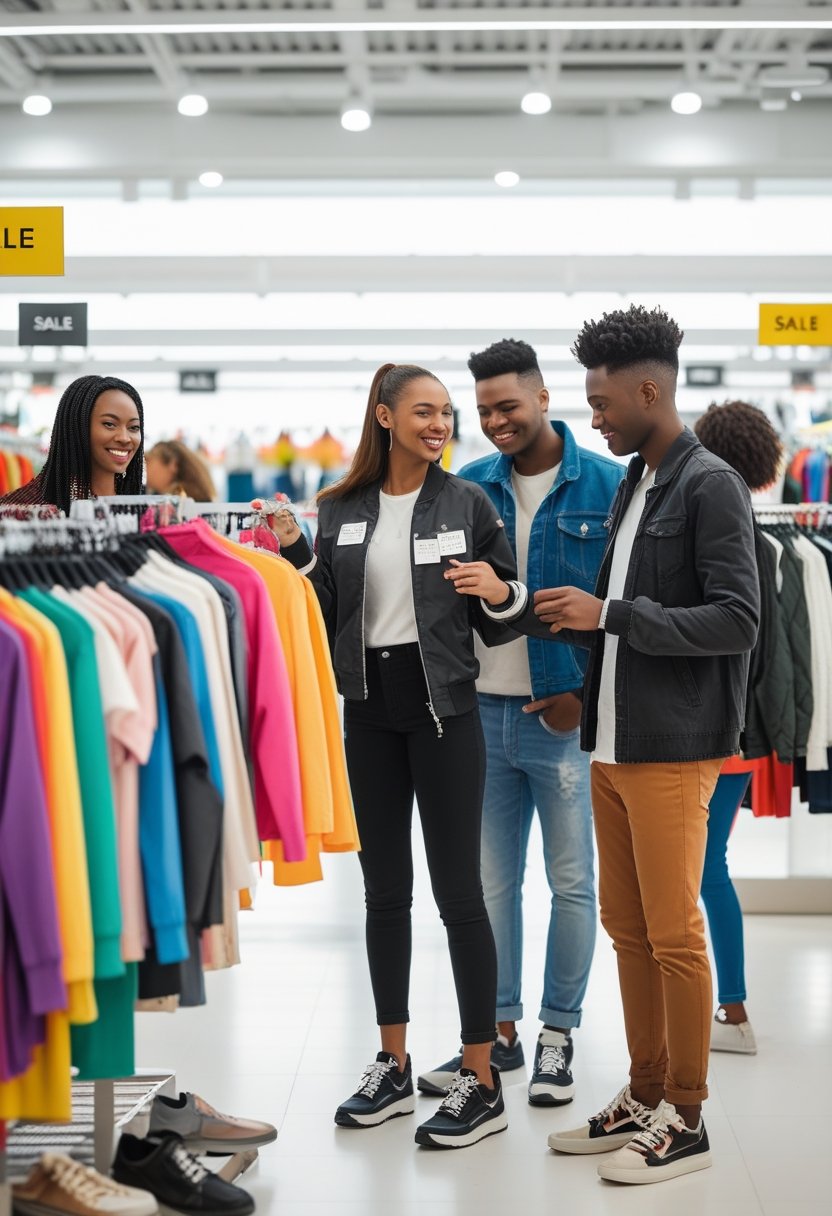

Looking stylish on a low budget is entirely achievable with the right approach. It starts with understanding what you already own and organizing your closet to identify key pieces and gaps. Smart shopping combined with strategic mixing of affordable basics and select high-quality accessories can create a polished look without overspending.
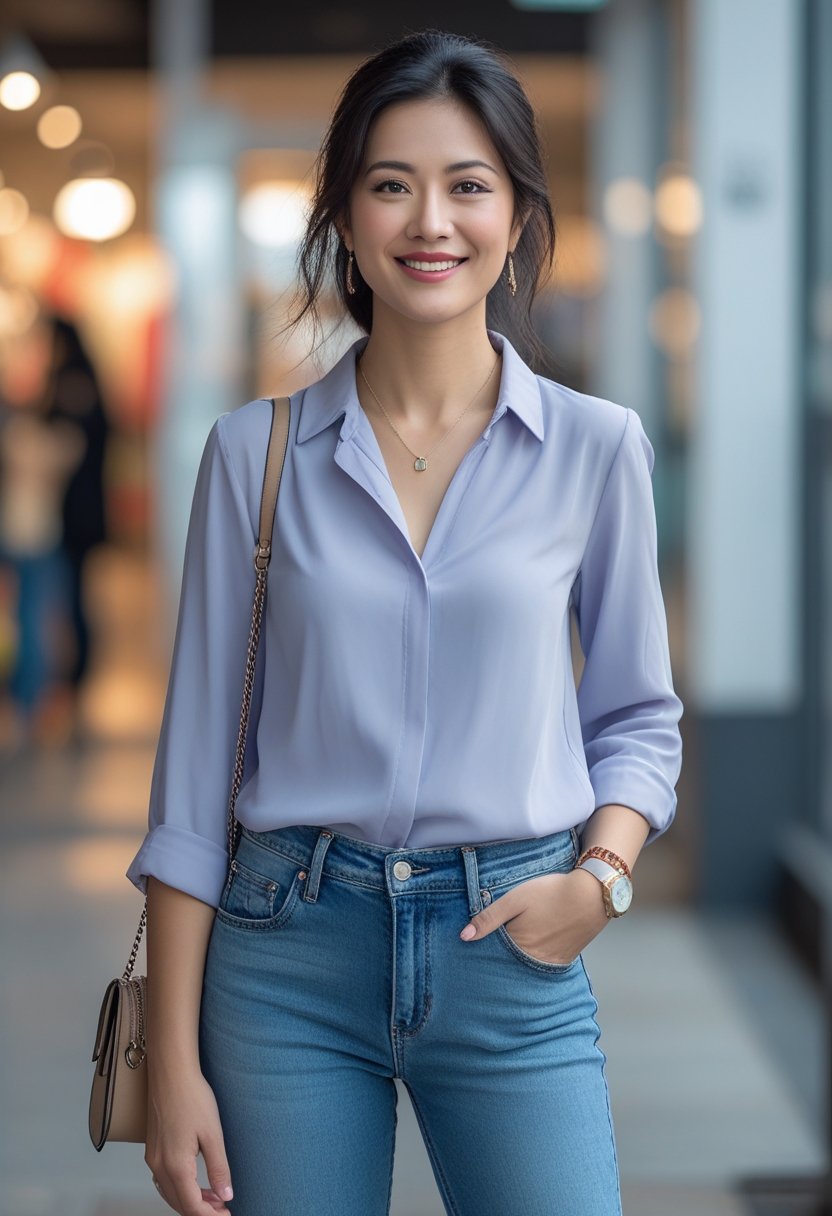
Focusing on timeless, versatile items allows for multiple outfit combinations, maximizing value and minimizing the need for constant new purchases. When paired with thoughtful accessories, even budget-friendly clothes can appear more intentional and refined. This practical mindset ensures style remains accessible at any spending level.
Establishing Your Style Foundations
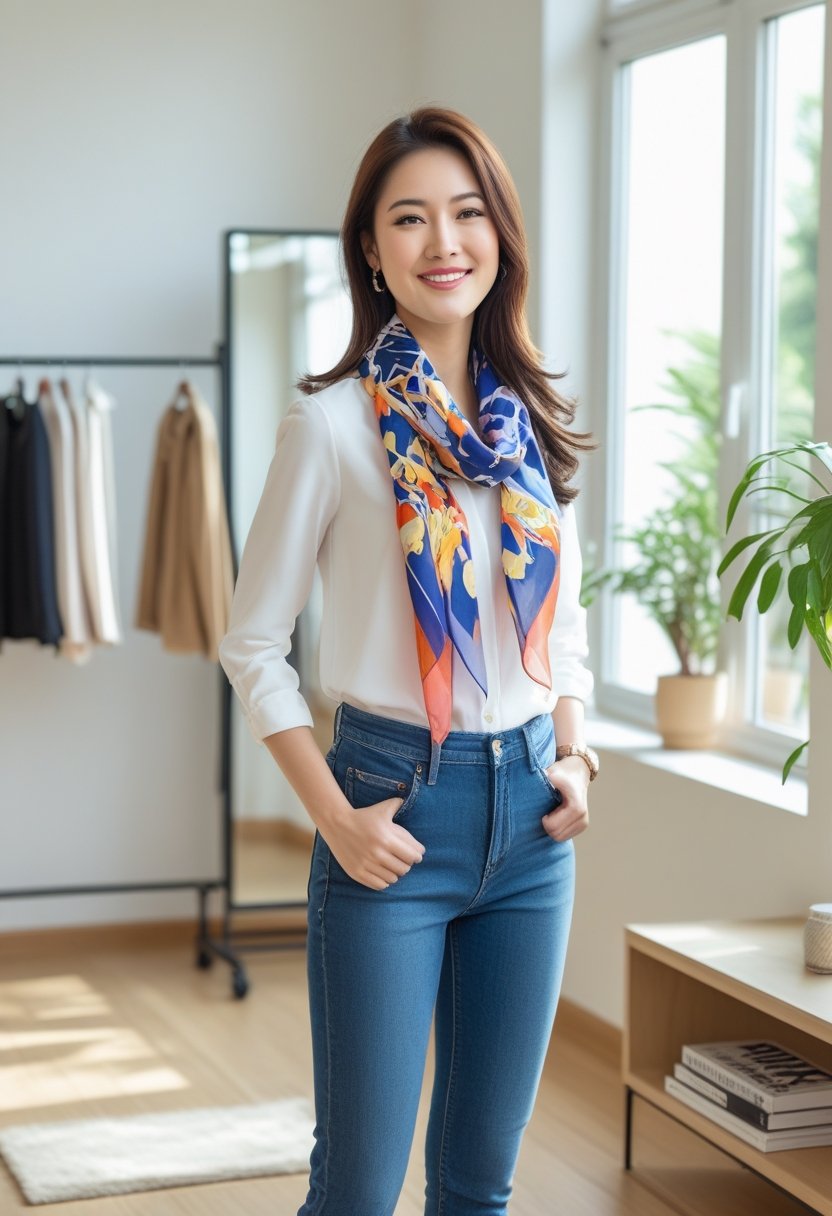
Knowing how to build a wardrobe that reflects who you are and works within your budget starts with clear decisions about style and organization. Making intentional choices about what to keep, what to add, and how to arrange it can create a strong base for looking stylish every day.
Defining Your Personal Style
Personal style begins with understanding what types of clothing and colors resonate with an individual’s lifestyle and preferences. It’s helpful to assess which outfits bring confidence and comfort, then identify recurring patterns in those.
They should consider their daily routines, climate, and occasions to prioritize practical pieces. Pinpointing style icons or mood boards online can inspire direction without copying exactly. This clarity helps avoid impulse buys that don’t fit the established vision.
Choosing a signature element—like a specific color palette, accessory, or silhouette—provides consistent identity. Once defined, personal style guides all future purchases toward cohesive, wearable choices.
Building a Capsule Wardrobe
A capsule wardrobe is a compact selection of versatile, high-quality basics that mix and match easily. It minimizes clutter while maximizing outfit options.
Essential pieces often include neutral tops, well-fitting jeans, a classic blazer, and shoes that suit most outfits. Adding a few statement pieces or accessories can elevate the look without requiring many items.
Buying with quality and durability in mind extends wear and saves money over time. Prioritizing timeless, simple designs over trendy items keeps the collection relevant season after season.
This strategic approach supports looking stylish while reducing unnecessary spending on impulse buys. It aligns with budget-conscious goals by focusing on essentials that serve multiple purposes.
Organizing and Auditing Your Closet
Regularly reviewing the wardrobe ensures it only contains items that suit the wearer’s style and lifestyle. Removing outdated, ill-fitting, or rarely worn clothes clears space for more useful pieces.
Organizing by category—such as tops, bottoms, and outerwear—or color simplifies dressing decisions and highlights gaps to fill with new purchases. Using storage solutions like labeled bins or dividers keeps items visible and accessible.
An audit also identifies pieces that need repairs or can be repurposed. Maintaining the wardrobe in good condition enhances its appearance and extends the life of clothing.
Systematic organization supports easy outfit creation, reducing decision fatigue and maintaining a polished, stylish look even on a budget.
Choosing Classic and Versatile Pieces
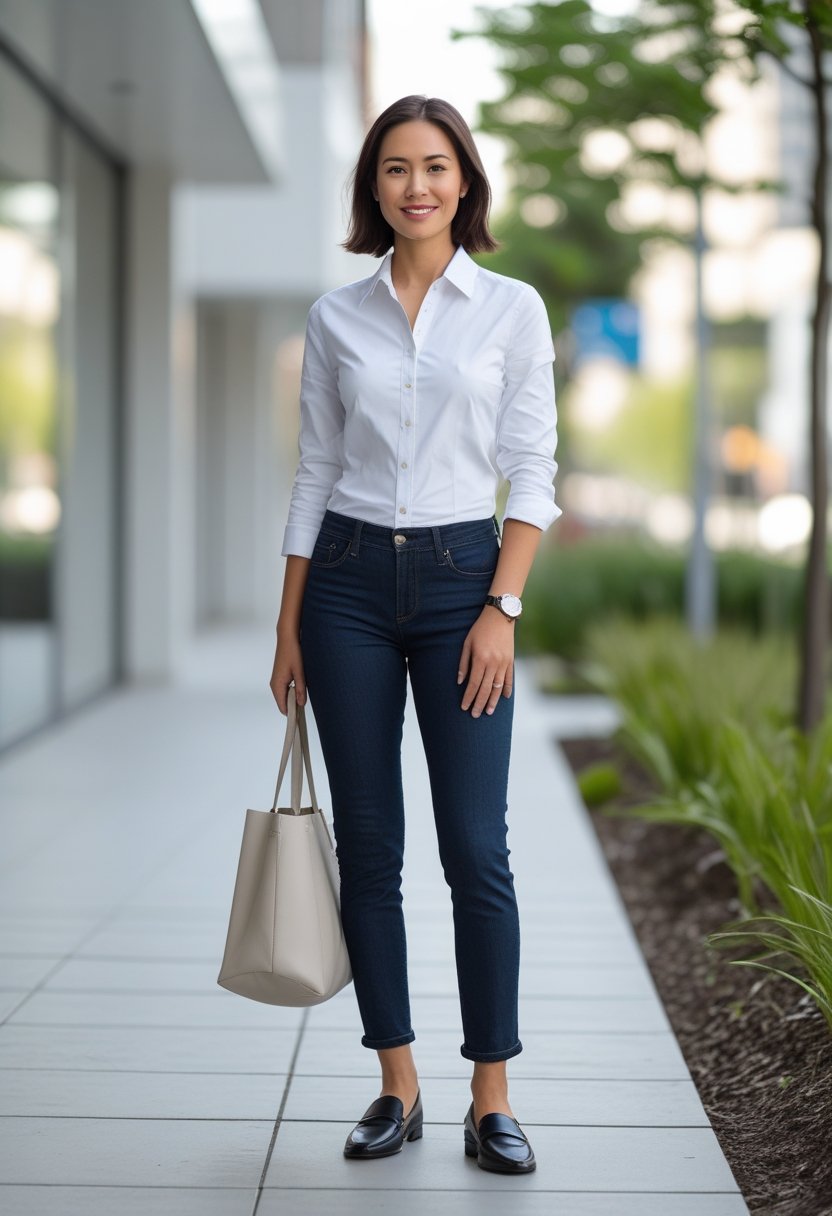
Building a stylish wardrobe on a budget requires selecting items that offer flexibility and timeless appeal. Prioritizing pieces that can be dressed up or down and combined in various ways maximizes outfit potential without frequent purchases.
Wardrobe Basics for Every Budget
Essential basics include a well-fitted blazer, a crisp white shirt, and dark jeans. These items create a foundation for countless looks, from casual to business casual. A blazer adds structure and polish, while a white shirt functions as a versatile layering piece.
Dark jeans are preferred over lighter washes for their sophistication and ease of pairing. Additionally, investing in simple outerwear like a neutral trench or classic coat extends wearability across seasons. For footwear, a pair of modest heels or quality flats completes many outfits with minimal expenditure.
Identifying Key Investment Items
Certain pieces warrant spending a bit more due to longevity and style impact. A tailored blazer and sturdy outerwear are worth investing in because they anchor the wardrobe and elevate simpler looks. Focus on quality fabrics and fit to ensure these items remain in regular rotation.
Shoes like classic heels or durable boots should balance style and comfort since they support varied outfits. Timeless colors—navy, black, beige, white—are safer investments as they seamlessly mix with trendier, affordable pieces.
Table: Suggested Investment Pieces
| Item | Reason to Invest | Key Attributes |
|---|---|---|
| Blazer | Versatile structure & polish | Tailored fit, neutral tone |
| Outerwear | Year-round wearability | Durable fabric |
| Heels | Completes many looks | Comfortable, classic style |
Mixing Classic and Trend Pieces
Combining classic staples with affordable trendy items allows updating a wardrobe without overspending. A fitted blazer or dark jeans paired with seasonal tops or statement accessories keeps looks current.
Trendy pieces should be budget-friendly and easy to integrate. For example, pairing classic heels with an on-trend blouse or adding a fashion-forward scarf to a fundamental white shirt refreshes style without needing a full wardrobe overhaul.
This approach keeps style intentional and controlled, avoiding flashy logos and excessive pieces. Focusing on fit and fabric quality in classics supports balance when mixing with trend-driven, lower-cost items.
Smart Shopping Strategies
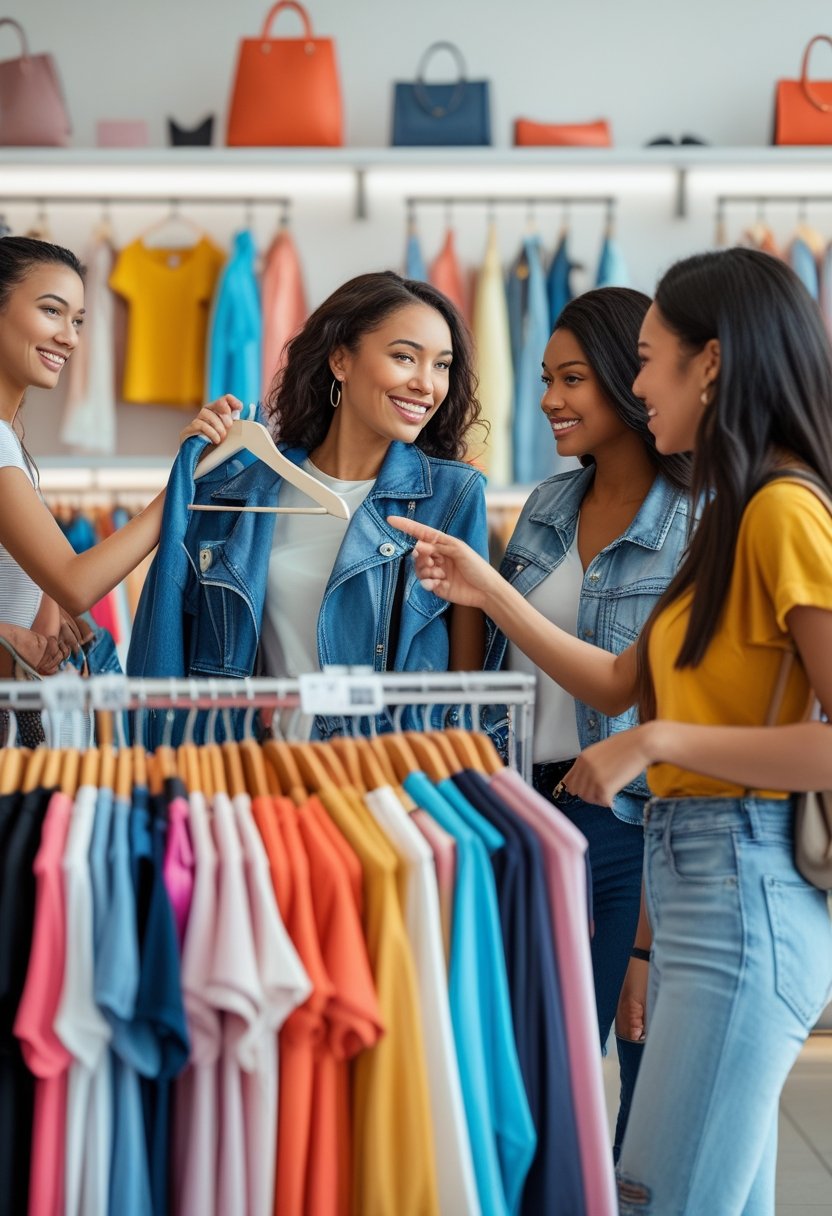
Smart shopping involves making deliberate choices that balance cost, quality, and style. It requires discipline to resist quick purchases and focus on items that truly enhance a versatile wardrobe. Adopting mindful shopping habits helps maintain style on a budget without sacrificing durability or aesthetics.
Prioritizing Quality Over Quantity
Investing in fewer, higher-quality pieces ensures longer-lasting wear and better overall appearance. Cheap, low-quality garments tend to wear out quickly, leading to repeated replacements that add up financially.
Choosing timeless, well-made items such as classic coats, sturdy shoes, and neutral tops creates a foundation for multiple outfits. It’s more cost-effective to spend more upfront on durable basics than frequently buy trendy, short-lived pieces.
Look for natural fabrics like cotton, wool, or linen and check stitching details as indicators of quality. This approach builds a wardrobe that remains stylish on a budget through lasting value rather than volume.
Avoiding Impulse Purchases
Impulse buying often leads to unnecessary spending on items that don’t fit one’s style or wardrobe needs. It disrupts budget goals and may result in clothes rarely worn.
To curb impulse purchases, shoppers should use lists or set specific goals before entering stores or browsing online. Waiting 24 hours before buying a non-essential item helps evaluate its true need and prevents rash decisions.
Using discount codes or sales strategically rather than buying simply due to price promotions helps avoid overspending. Smart shoppers consider how new pieces integrate with existing wardrobe items to maintain coherence and style on a budget.
Developing Healthy Shopping Habits
Healthy shopping habits start with a clear understanding of personal style and budget constraints. Regular wardrobe audits identify gaps and reduce duplicate or unwanted clothing, guiding future purchases.
Planning shopping trips with a focus on acquiring specific, versatile items prevents aimless browsing. Keeping track of spending and setting monthly clothing budgets reinforces discipline and accountability.
They also benefit from exploring thrift stores, swaps, and online resale platforms to find quality items at reduced prices. This practice supports sustainable consumption while enhancing style without overspending.
Embracing Thrifting and Secondhand Finds
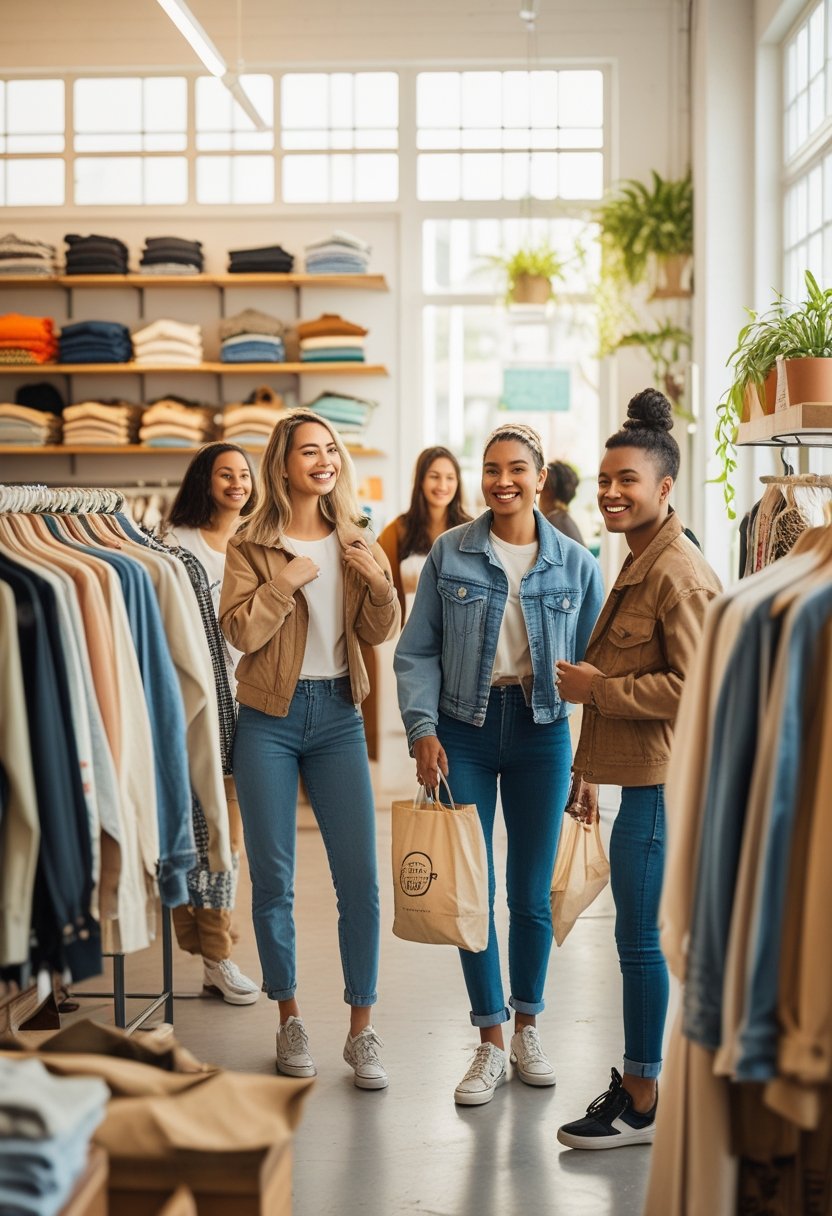
Finding stylish clothing on a budget often starts with exploring various sources that offer quality pieces for less. This approach involves inspecting physical stores, browsing online marketplaces, and engaging in community clothing exchanges.
Exploring Local Thrift Stores
Local thrift stores offer an ever-changing selection of clothes that can suit different styles. Shoppers should prioritize quality by checking fabric durability and construction before purchasing. Many thrift stores carry vintage and unique items not found in conventional retail.
Patience is key, as the best pieces often appear sporadically. Organizing a regular schedule to visit can increase the chance of finding desirable items. Comparing prices across multiple stores helps identify the best value.
Bringing a clear sense of personal style before shopping allows focused browsing. They may bring a list of essentials to avoid impulse buys and mix versatility with trends.
Using Online Platforms for Deals
Online platforms like Poshmark, Depop, and Thredup provide access to a broad range of secondhand fashion. These marketplaces allow buyers to filter searches by size, brand, price, and condition for efficient shopping.
Users should review seller ratings and item descriptions carefully to ensure authenticity and quality. Many platforms offer buyer protection policies that add security to transactions.
Seasonal sales and discount events can make high-quality items even more affordable. Buyers can also negotiate prices on some platforms to increase savings.
Shipping times and return policies vary, so understanding these details prevents unexpected issues with online purchases.
Participating in Clothing Swaps
Clothing swaps offer a community-driven way to refresh wardrobes without spending money. Participants bring gently used clothes to trade, creating a diverse selection without retail costs.
These events often happen locally, hosted by community centers, schools, or social groups. Participants should focus on bringing clean, well-maintained items that fit current trends or personal styles.
Clothing swaps foster sustainable habits and reduce waste while encouraging experimentation with different fashions. Exchanges occur on a one-for-one basis or by a point system, depending on the event rules.
Engaging in swaps also builds connections with others interested in budget fashion and sustainability.
Finding Fashion Deals and Outlet Shopping
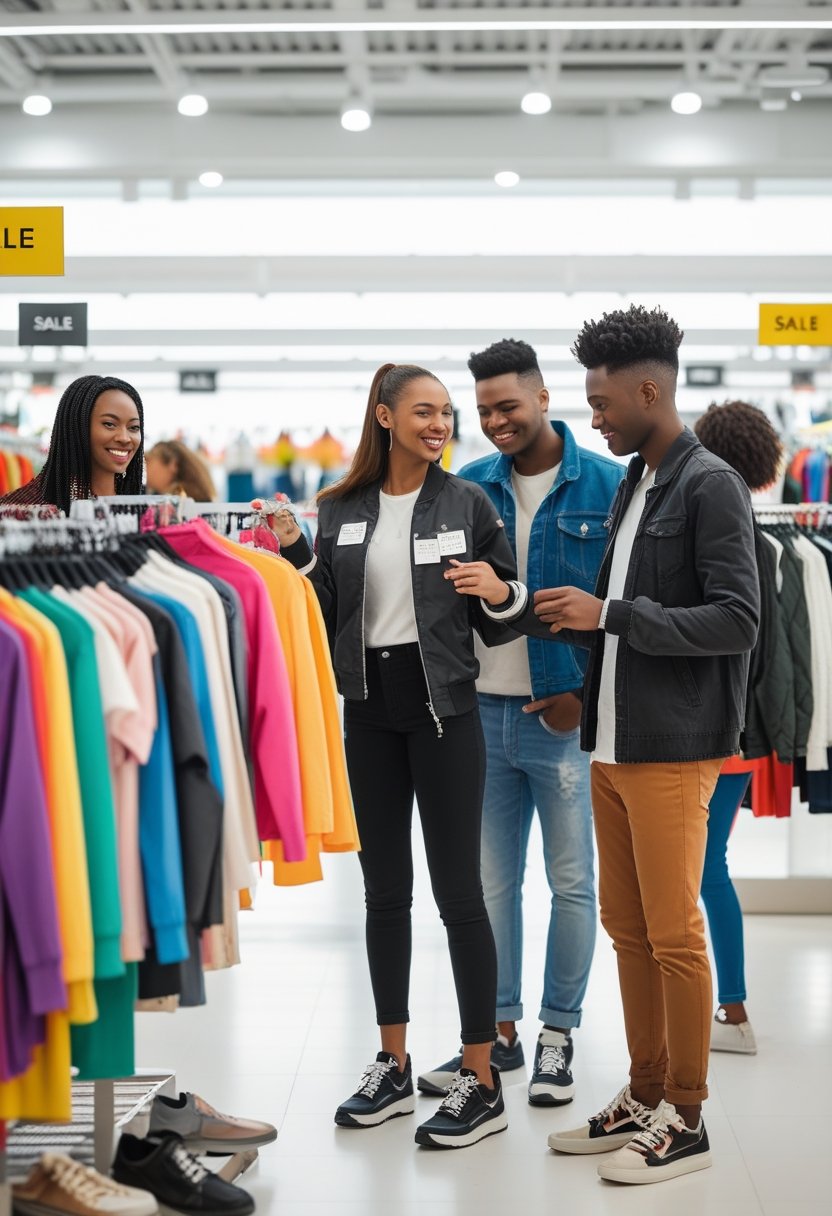
To stretch a budget while maintaining style, focusing on outlet shopping and sales monitoring is essential. Both methods offer specific opportunities to access quality clothing at reduced prices without sacrificing fashion.
Shopping Outlet Malls and Stores
Outlet malls and stores like Nordstrom Rack provide access to brand-name clothing at discounted prices. These locations offer past seasons’ items, overstock, and sometimes exclusive deals unavailable in standard retail outlets.
Shopping at outlet malls requires planning. Visitors should target weekday visits to avoid crowds and maximize the chance of finding sizes and styles. It helps to know the store layout and focus on sections with the best deals.
Checking for coupons or loyalty programs before visiting can increase savings. Outlet stores often have clearance racks or flash sales, so patience and flexibility can lead to significant bargains. Quality control varies, so inspecting items carefully is crucial.
Monitoring Sales and Discounts
Tracking sales and discounts online and in-store is an effective strategy for budget-conscious shoppers. Signing up for newsletters from favored brands or stores often grants early access to promotions, exclusive codes, and clearance events.
Seasonal sales, such as end-of-season or holiday discounts, create prime opportunities to buy trendy pieces at lower prices. Using apps and websites that aggregate fashion deals can save time and provide alerts on price drops.
Shoppers should combine sales with store credit cards or cash-back offers to maximize savings. Planning purchases around planned discounts avoids impulse buying and makes high-quality fashion more affordable.
Elevating Your Look with Stylish Accessories
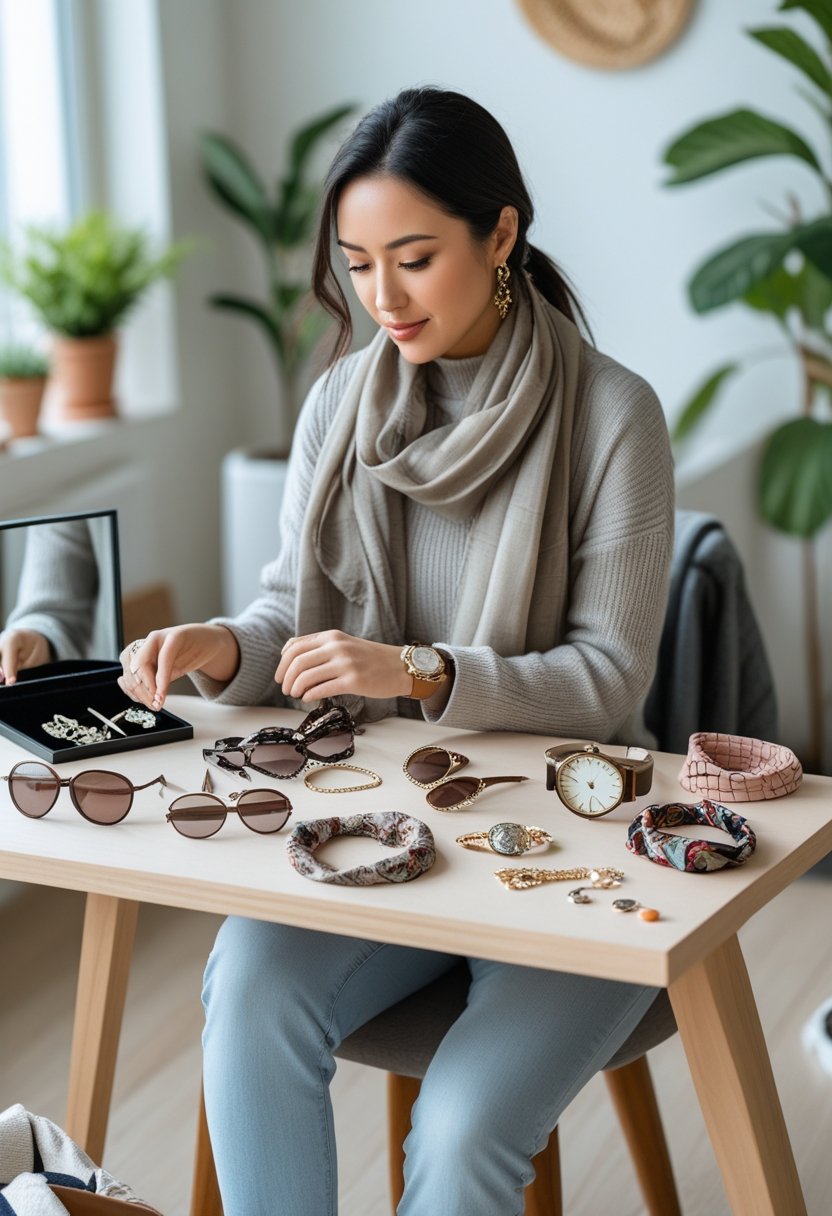
Accessories can redefine an outfit by adding intentional style, even on a tight budget. With careful choices, one can create a polished appearance that looks thoughtful and chic without overspending.
Selecting Statement Accessories
A few well-chosen statement pieces can lift an entire look. Bold jewelry, like oversized earrings or layered necklaces, draws attention and adds character. Choosing one standout item at a time prevents the outfit from looking cluttered or overdone.
Opt for accessories that complement your style but introduce an element of surprise, such as an unusual silhouette or texture. Scarves with unique patterns or belts in vibrant colors work well to break monotony.
Tips for affordable statement accessories:
- Thrift stores or online resale sites often have quality pieces at low prices.
- Focus on versatile items that match multiple outfits.
- Avoid overly trendy pieces that lose appeal quickly.
Incorporating Sunglasses and Footwear
Sunglasses and footwear play a critical role in shaping style. Stylish sunglasses elevate looks instantly and offer a mix of function and fashion. Choose classic shapes like aviators or wayfarers for timeless appeal.
Footwear, especially heels, transforms posture and presence. Even budget-friendly heels can appear elegant if clean and well-maintained. Consider heel shapes that are comfortable yet sophisticated, such as block heels.
Key points to remember:
| Item | Style Advice | Budget Tips |
|---|---|---|
| Sunglasses | Select frames that complement your face shape | Look for sales or quality knockoffs |
| Heels | Aim for versatile colors like black or nude | Care for them well to prolong wear |
Together, sunglasses and heels provide a subtle but powerful style upgrade with minimal expense.
