

Combination skin can be challenging to care for because it involves balancing both oily and dry areas simultaneously. Those with this skin type need a routine that addresses excess oil in the T-zone while keeping drier parts hydrated. A successful combination skincare routine uses products and techniques designed to control oil without overdrying and to nourish dry areas without clogging pores.

Understanding Combination Skin
Combination skin involves varying textures and oil levels across the face. It typically requires a balance of hydration and oil control to maintain skin health. Identifying its unique features helps in tailoring an effective skincare approach.
Characteristics of Combination Skin
Combination skin has both oily and dry qualities in different facial zones. The T-zone—forehead, nose, and chin—often appears shiny due to excess oil production. In contrast, cheeks and other areas may feel dry, tight, or flaky.
The skin texture varies; some areas show enlarged pores while others remain smooth but dry. Redness and uneven tone may also be present where dryness causes irritation or where oil clogs pores.
Products for very oily or very dry skin should generally be avoided unless used as spot treatments. Maintaining balance with gentle cleansers and lightweight moisturizers is essential for this skin type.
Common Areas Affected by Combination Skin
The oily T-zone is the most common area affected, showing visible shine and sometimes enlarged pores. This zone tends to produce more sebum, leading to a tacky or greasy feel throughout the day.
Cheeks usually suffer from dryness or tightness and can sometimes appear flaky or rough. These dry areas may feel uncomfortable, especially in cold or dry weather.
Other facial zones, such as around the eyes and mouth, often lie somewhere between these extremes. Understanding these varied areas is key to applying the right product in each zone.
Signs and Symptoms of Imbalance
Dry areas may experience tightness, flaking, or redness. This indicates a lack of sufficient hydration or irritation from harsh skincare products. Uneven skin texture and discomfort can result if these issues persist without proper care.
Addressing these symptoms involves targeted treatments that control oil while replenishing moisture in dry zones to restore harmony.
Factors Influencing Combination Skin
Combination skin results from multiple internal and external factors that affect oil production, sensitivity, and hydration in different areas of the face. These influences determine how the skin behaves and reacts to care routines.
Genetics and Hormonal Changes
Genetics play a major role in defining combination skin by influencing sebaceous gland activity and skin type distribution. Someone with a family history of oily or dry skin may inherit a blend of traits, leading to oily zones like the T-zone and drier cheeks.
Environmental and Lifestyle Contributors
Environmental conditions such as humidity, temperature, and pollution significantly affect combination skin. High humidity tends to increase oiliness in the T-zone, while cold or dry weather can exacerbate flakiness on cheeks and other dry areas.
Lifestyle habits like diet, stress, and skincare regimen also influence the skin’s balance. Poor sleep and high stress may stimulate excess oil production, while diet lacking in essential nutrients can reduce skin hydration and resilience.
Impact of Skincare Products
Choosing the right skincare products is critical because combination skin is sensitive to over-treatment or unsuitable ingredients. Heavy creams may clog pores in oily zones but adequately hydrate dry areas, causing imbalance.
Products containing alcohol or harsh cleansers can strip moisture from dry parts, prompting oil glands in the T-zone to compensate by producing more sebum. A balanced routine often requires using different formulations targeted for each facial area to maintain equilibrium.
Core Skincare Routine for Combination Skin
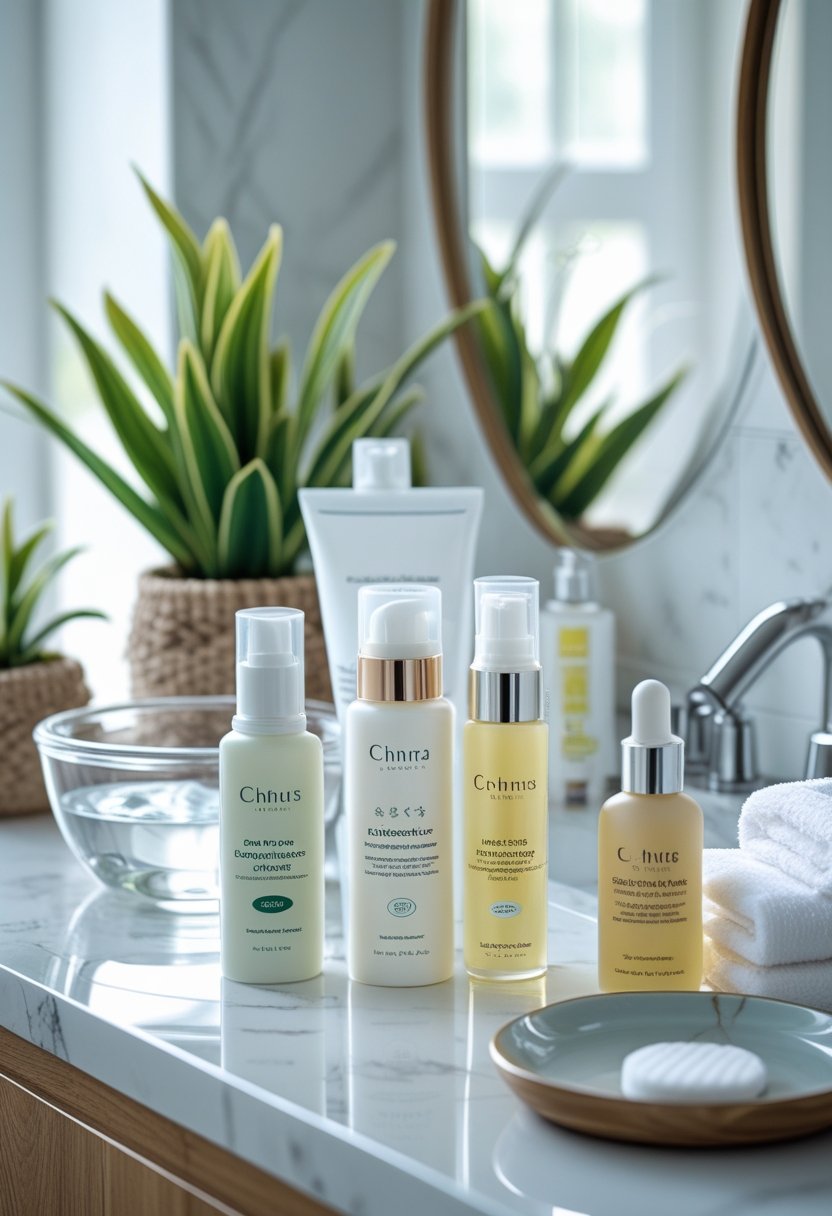
A targeted approach is necessary to manage oily and dry zones effectively. Using the right products in the correct order helps balance the skin’s needs, preventing shine in the T-zone while hydrating dry patches.
Morning Routine Essentials
He should start with a gentle cleanser designed for combination skin to remove overnight oils without stripping moisture. Next, applying a toner that balances pH and controls oil can prep the skin for treatment.
A lightweight, hydrating serum with ingredients like hyaluronic acid targets dry areas without adding excess grease. For hydration, a non-comedogenic moisturizer balances hydration without clogging pores. Finally, applying broad-spectrum sunscreen with at least SPF 30 protects skin from sun damage and prevents oil overproduction triggered by UV exposure.
Evening Routine Fundamentals
He needs to begin by removing makeup and impurities with a gentle makeup remover or cleansing oil. This step ensures pores stay clean and reduces the chance of breakouts in oily areas.
Following cleansing, a soothing toner is helpful to restore skin balance. Applying a hydrating serum targets dry zones overnight, while a richer night cream can nourish and repair skin without causing excess oiliness. Consistency with these steps helps maintain a healthy balance between dry and oily areas.
Choosing and Using Key Skincare Ingredients
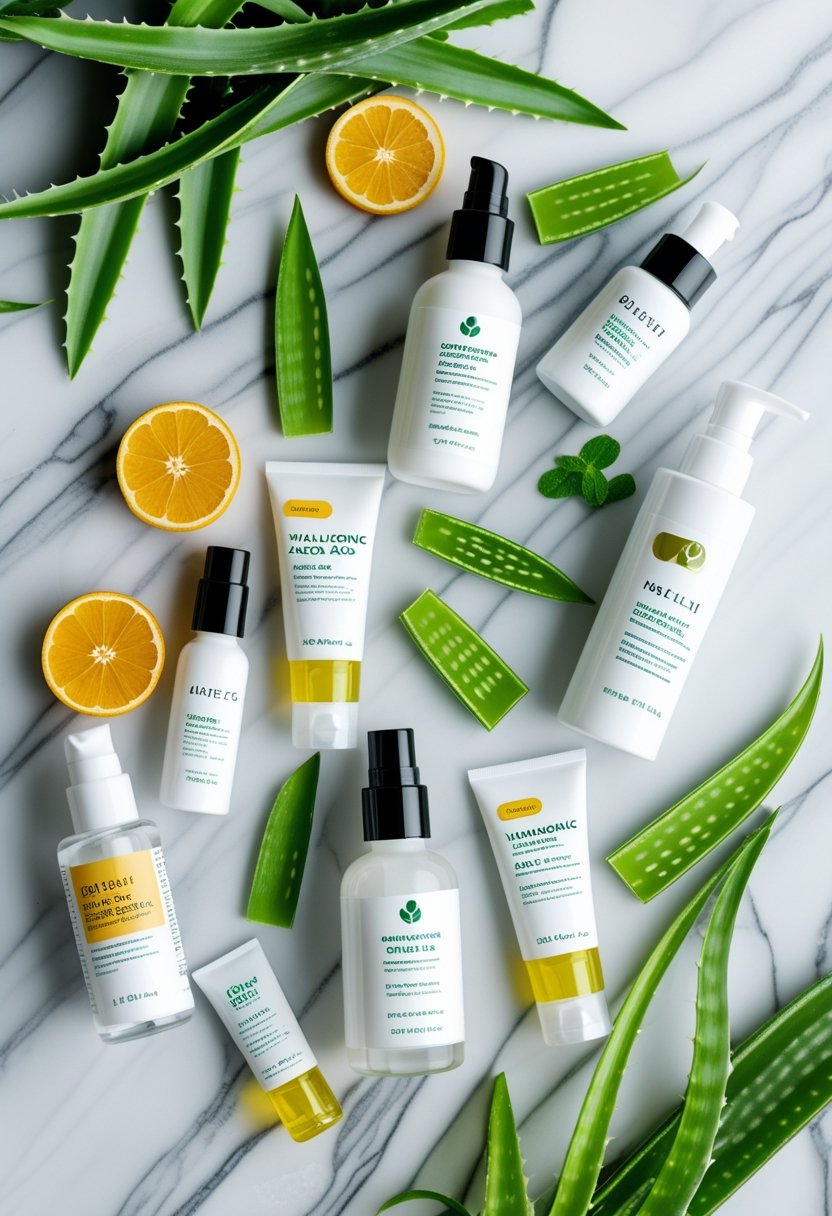
Selecting the right ingredients is essential for balancing the different needs of combination skin. Effective choices focus on maintaining hydration, controlling oil, addressing specific concerns like acne or uneven tone, and calming irritation without disrupting the skin barrier.
Best Ingredients for Hydration and Oil Control
Hydration is vital for combination skin, especially in drier areas, while controlling excess oil is important for the oily zones. Hyaluronic acid is a top humectant that attracts moisture without heaviness, suitable for all skin areas.
Niacinamide helps regulate sebum production and reduces the appearance of pores. It also supports the skin barrier, improving overall texture.
Lightweight moisturizers containing glycerin, ceramides, or rice water strengthen the skin barrier and retain moisture in dry parts without exacerbating shine.
For oil control, salicylic acid (BHA) gently exfoliates inside pores, reducing clogged oil, while lactic acid (AHA) offers mild exfoliation and hydration to balance skin textures effectively.
Actives for Targeted Skin Concerns
Specific concerns like uneven tone, acne, or aging require targeted ingredients that work well for combination skin without causing irritation.
Vitamin C brightens the complexion and combats dullness but should be used separately from retinol to avoid irritation.
Retinol promotes cell turnover and helps prevent breakouts and signs of aging but should be introduced gradually and not combined directly with acids like AHA or BHA.
Using salicylic acid targets acne-prone, oily areas, while lactic acid supports gentle exfoliation on drier zones.
It is important to space active ingredients throughout the routine or alternate days to prevent sensitivity.
Calming and Soothing Additions
Soothing ingredients help reduce inflammation and irritation, which can easily affect combination skin due to varying sensitivities in different areas.
Aloe vera and oatmeal effectively calm redness and support the skin’s natural repair processes.
Honey provides antimicrobial properties and gentle hydration, aiding barrier health without adding oiliness.
Ceramides restore the skin’s protective layer and are vital for preventing moisture loss and irritation.
Avoid heavy oils like coconut oil as they may clog pores and worsen oily areas. Anti-inflammatory ingredients help maintain balance and comfort across the skin’s diverse zones.
Balancing Hydration and Oil Control
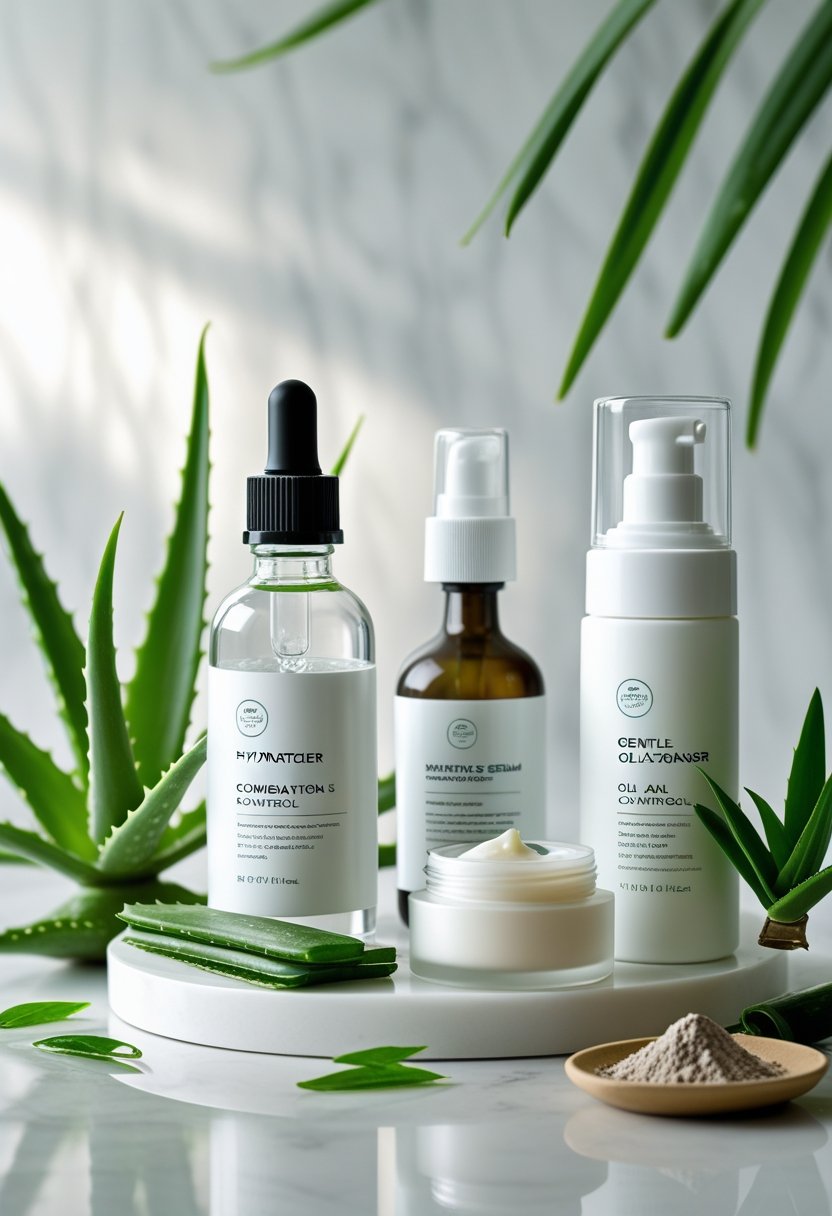
Maintaining balance in combination skin requires targeted care for both oily and dry areas. Effective routines incorporate specific methods and products to hydrate where needed while controlling excess oil without over-drying the skin.
Zoning and Multi-Masking Strategies
Zoning involves treating different areas of the face with products tailored to their needs. The oily T-zone (forehead, nose, chin) benefits from oil-absorbing or mattifying masks that reduce shine and unclog pores.
Dry or normal zones such as cheeks need hydrating masks rich in moisturizing ingredients like hyaluronic acid or glycerin. Using a hydrating mask on dry areas helps replenish moisture without increasing oiliness.
Multi-masking allows the simultaneous use of two or more masks to address these contrasting skin zones. Applying oil-control masks to the T-zone while layering hydrating serums and rich moisturizers on dry patches ensures each area receives the right care.
Product Layering and Application Tips
Layering products appropriately supports balance. Start with lightweight, oil-free hydrating serums on dry areas to add moisture without heaviness.
Applying a rich moisturizer only to dry zones prevents clogging pores in oily sections. For oily areas, an oil-control lotion or gel can be used to manage sebum production.
Applying products in this order usually works best:
- Cleanser
- Hydrating serum on dry zones
- Oil-control treatment on oily zones
- Moisturizer targeted by zone
Light finger tapping helps absorption without irritating skin. Choosing non-comedogenic, fragrance-free products supports hydration and oil control without triggering breakouts.
Managing Common Combination Skin Issues
Combination skin involves balancing oily and dry areas, which can lead to specific challenges like acne, clogged pores, and sensitivity. Addressing these requires targeted approaches focusing on prevention, pore care, and soothing irritation.
Breakouts and Acne Prevention
Breakouts often occur in the oily T-zone due to excess sebum production. Using non-comedogenic cleansers helps reduce pore-clogging without overdrying the skin. Gentle exfoliation twice a week removes dead skin cells that contribute to acne-causing blockages.
Oil-controlling ingredients like salicylic acid or benzoyl peroxide are effective for preventing blackheads and pimples. However, they should be used sparingly to avoid irritating dry areas. Moisturizing with lightweight, oil-free products maintains hydration without worsening breakouts.
Sun protection with a non-greasy, broad-spectrum SPF helps prevent acne scars and flare-ups triggered by sun damage.
Minimizing Enlarged Pores and Clogged Pores
Enlarged pores result from excess oil and buildup of debris. Daily cleansing followed by refining toners containing ingredients like niacinamide can reduce pore size and limit oil production. Avoid heavy creams as they can be pore-clogging and exacerbate the problem.
Regular gentle exfoliation promotes cell turnover and clears clogged pores without damaging sensitive dry patches. Clay masks applied once a week absorb excess oil and impurities specifically in the T-zone. Avoid aggressive scrubs, as they may worsen inflammation.
Using products labeled non-comedogenic decreases the risk of blackheads and keeps pores clear.
Reducing Redness and Sensitivity
Dry areas in combination skin can become red and irritated from harsh products or environmental factors. Hydrating with soothing ingredients like ceramides, aloe vera, or oatmeal calms inflammation and restores the skin barrier.
Avoid alcohol-based toners and strong acids on sensitive zones to prevent further redness. Applying a fragrance-free moisturizer tailored to sensitive skin helps reduce tightness and flaking.
Spot treating dry patches separately prevents over-treating oily zones while minimizing overall sensitivity. Gentle, fragrance-free sunscreens also protect skin without provoking irritation.
Selecting Products and Building a Custom Routine
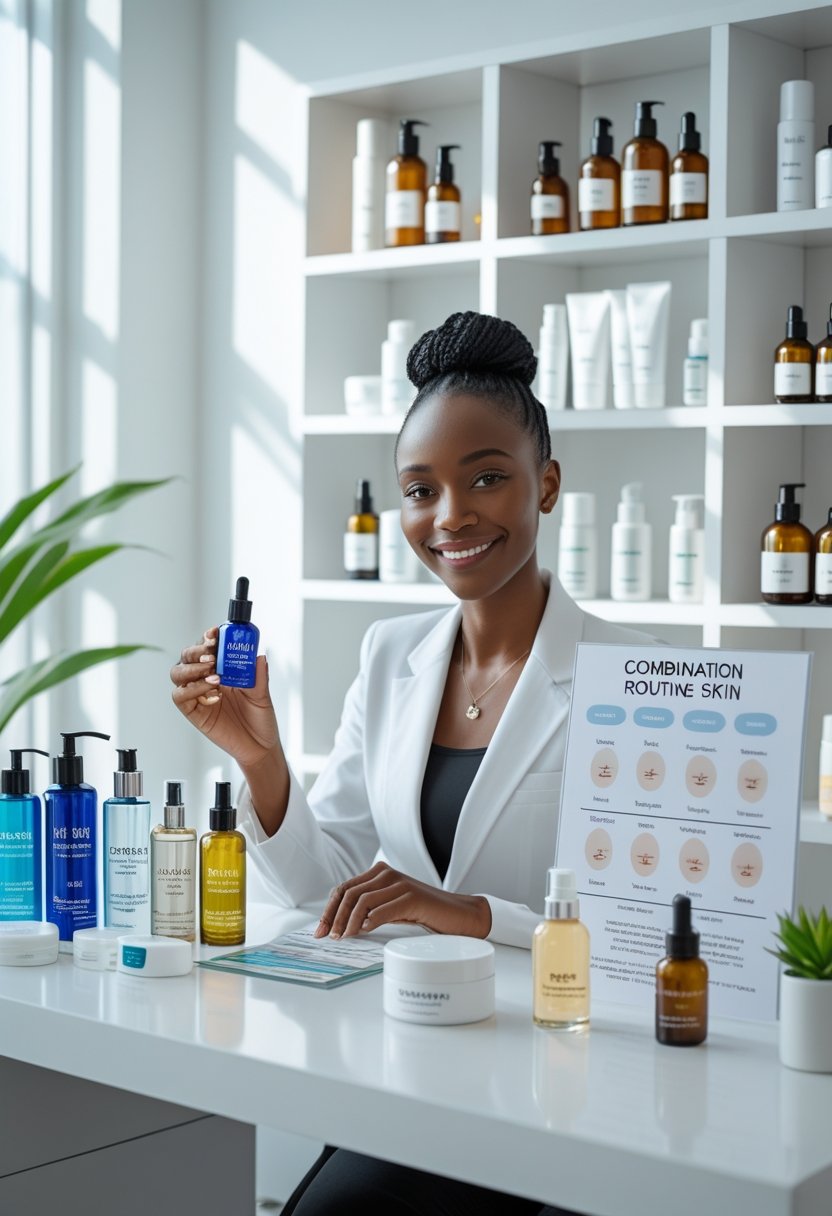
A successful routine requires thoughtful product choices that address both oily and dry areas without causing irritation or breakouts. Prioritizing gentle but effective formulations ensures balance and skin health.
Recommended Cleansers and Toners
For combination skin, a gentle cleanser is critical to avoid stripping moisture from dry zones while controlling oil in the T-zone. Products from brands like CeraVe and La Roche-Posay are often recommended for their mild formulas with ingredients like ceramides and niacinamide. These help maintain the skin’s barrier while cleansing effectively.
An alcohol-free toner is essential to soothe and balance the skin after cleansing. It removes residual impurities without causing dryness or irritation. Toners containing ingredients like witch hazel or hyaluronic acid work well, providing hydration and calming effects without exacerbating oiliness.
Top Moisturizers and Serums
Moisturizers chosen for combination skin should be non-comedogenic and lightweight to hydrate dry areas without clogging pores in oily zones. Gel-based or water-based options are preferred for their balancing properties. Neutrogena Hydro Boost or CeraVe PM Facial Moisturizing Lotion are good examples using hyaluronic acid for hydration without heaviness.
Serums can support specific concerns like uneven texture or dullness. Those with niacinamide or antioxidants help regulate oil production and improve skin tone. Incorporating serums before moisturizer enhances the overall effect without overwhelming the skin.
Best Sun Protection for Combination Skin
Daily sun protection is necessary for all skin types. For combination skin, an SPF 30 or higher sunscreen that is lightweight and non-greasy works best. Mineral or chemical sunscreens labeled non-comedogenic help avoid clogged pores and breakouts.
Brands such as La Roche-Posay Anthelios and Neutrogena Ultra Sheer are popular choices because they absorb quickly and leave no residue. Applying sun protection as the final routine step every morning prevents UV damage while maintaining skin balance throughout the day.
