
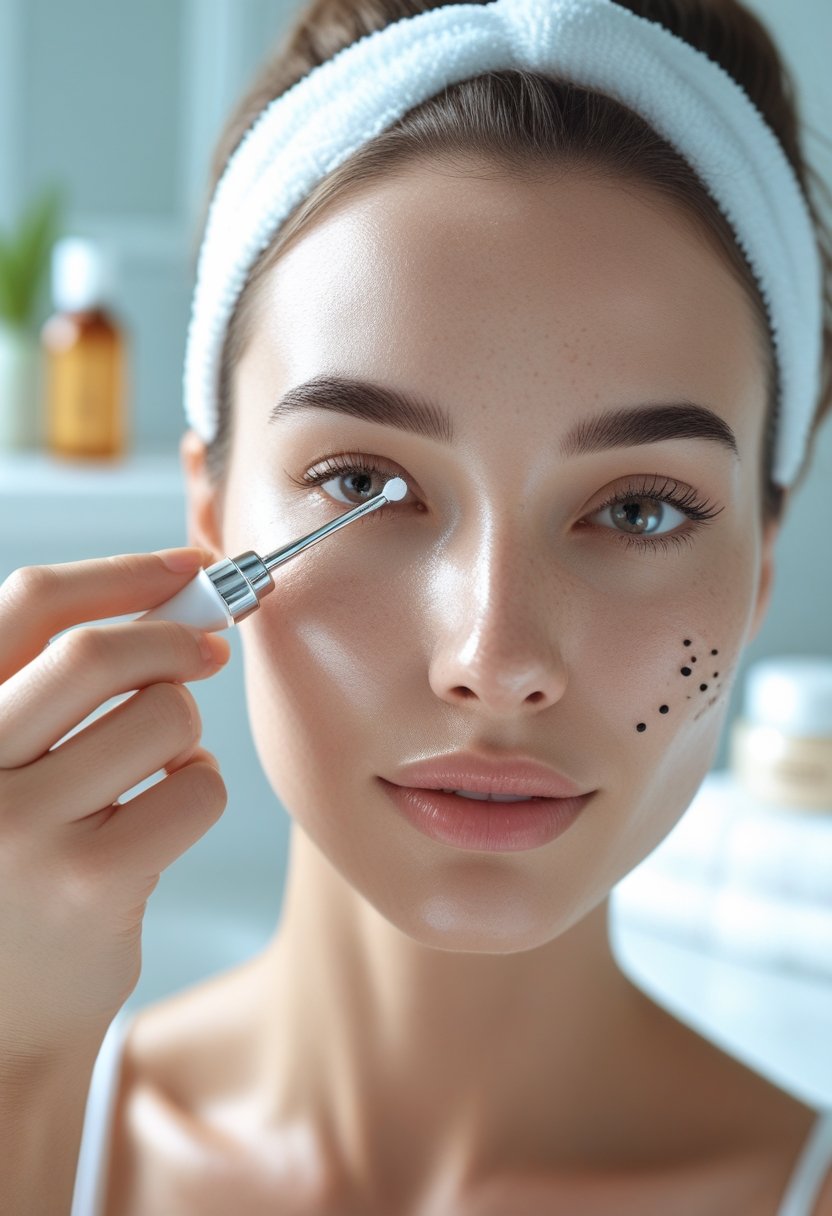

Blackheads form when pores become clogged with excess oil, dead skin cells, and bacteria. While they can be stubborn, blackheads can be effectively removed at home using simple and safe methods that target these underlying causes. Addressing oil buildup and keeping pores clear are essential steps in managing blackhead.
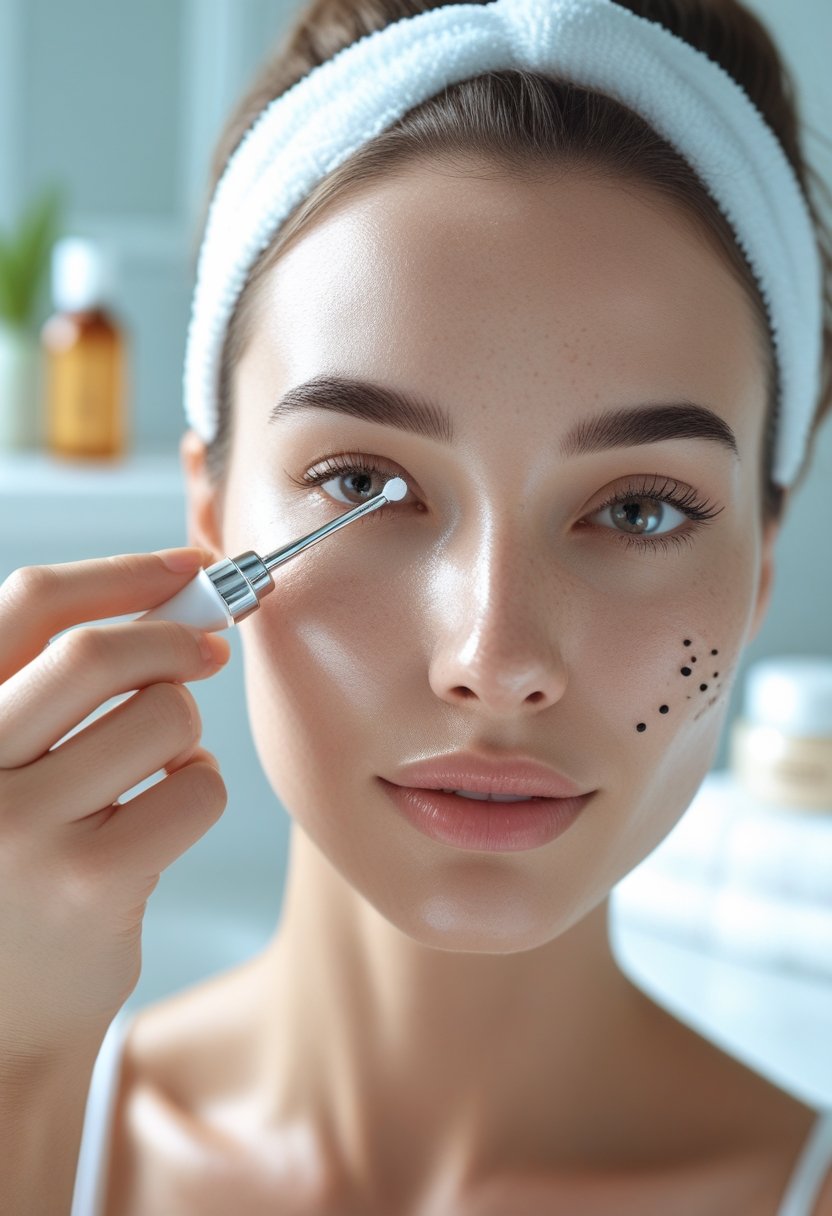
Many at-home treatments, such as natural masks or gentle exfoliation, work to unclog pores without harsh chemicals. These remedies not only help reduce existing blackheads but also prevent new ones from forming. Understanding how to care for skin properly allows anyone to tackle blackheads in a practical and controlled way.
Understanding Blackheads and Their Formation
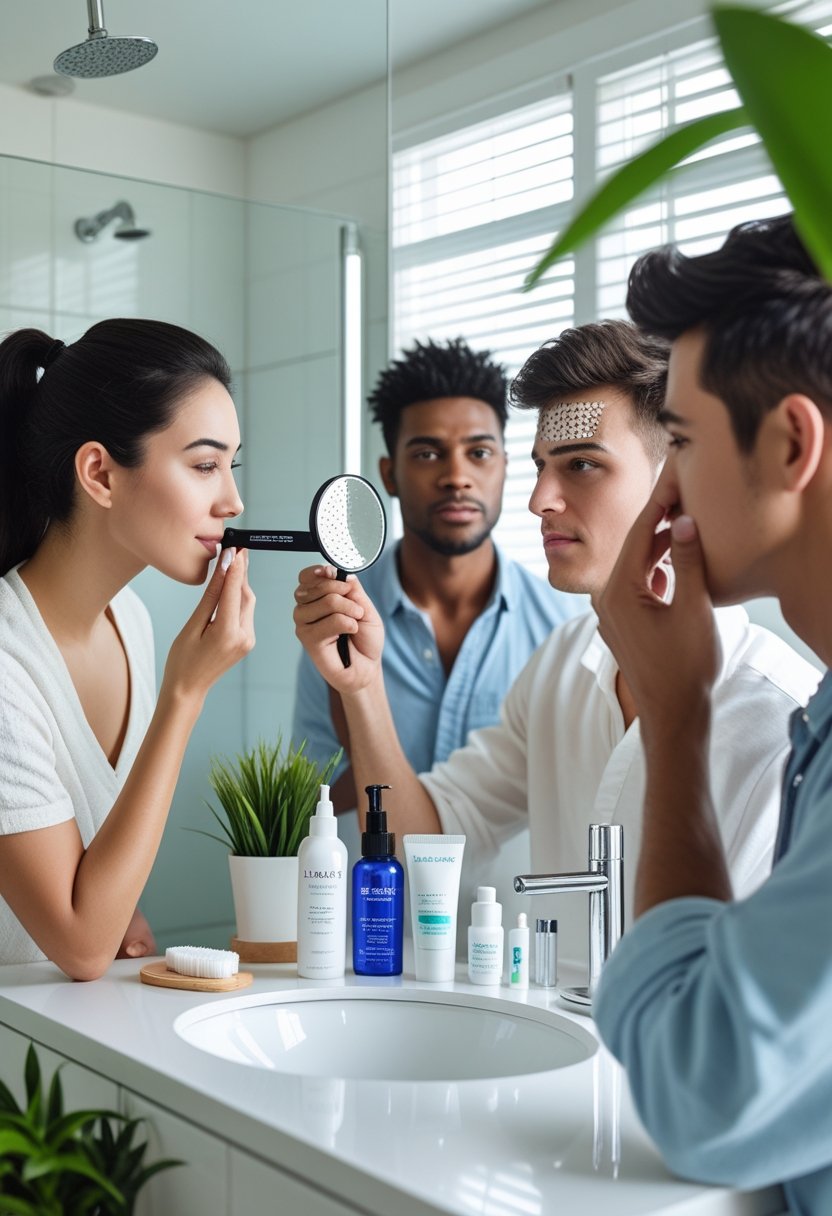
Blackheads develop when pores become clogged with excess oil and dead skin cells. Their presence on the skin is influenced by factors such as oil production and skin type. Distinguishing blackheads from similar skin features is key to choosing the right treatment.
What Are Blackheads
Blackheads are a form of acne known as open comedones. They appear as small dark spots on the skin, mainly due to clogged pores filled with sebum (oil) and dead skin cells. Unlike pimples, blackheads do not have inflammation or pus.
The dark color results from oxidation when the clogged material is exposed to air. Blackheads frequently occur on oily or combination skin types, particularly on the nose, forehead, and chin, where oil glands are more active. They affect skin texture by creating small bumps and unevenness.
Causes of Blackheads
Blackheads form when pores become clogged with excess sebum and dead skin cells. Overactive oil glands increase the likelihood of clogged pores, especially in individuals with oily or acne-prone skin. Hormonal changes, such as those during puberty or stress, can also raise oil production.
Poor exfoliation allows dead skin cells to accumulate, worsening blockages. External factors like dirt, makeup, and pollution further contribute to the build-up inside pores. This creates an environment where blackheads are likely to form and persist.
Blackheads Versus Sebaceous Filaments
Blackheads and sebaceous filaments both appear as small dots on the skin but differ significantly. Sebaceous filaments are natural structures within pores that help channel oil to the skin’s surface. They tend to be lighter in color and less raised than blackheads.
Unlike blackheads, sebaceous filaments are not clogged with oxidized material and do not cause inflammation. They are common on the nose and cheeks and usually appear as gray or flesh-toned. While blackheads benefit from treatment, sebaceous filaments are a normal part of skin and require gentle maintenance rather than extraction.
Core At-Home Methods for Blackhead Removal
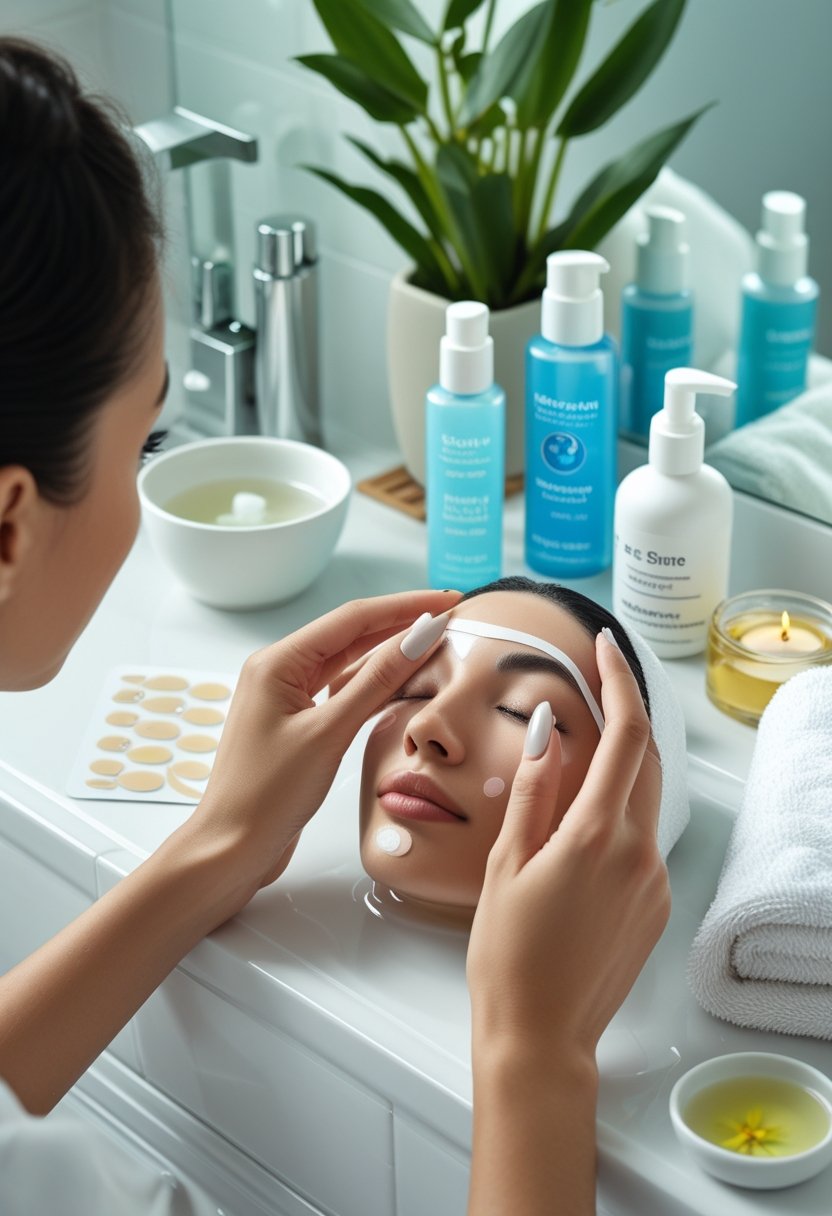
Effective blackhead removal at home centers on unclogging pores, controlling oil, and gently exfoliating skin. Using the right combination of cleansing, acid treatments, and masks helps reduce blackheads without damaging the skin barrier. Balancing these techniques ensures clearer pores and smoother skin.
Double Cleansing Technique
Double cleansing involves two steps: first using a non-comedogenic oil-based cleanser to dissolve excess sebum, sunscreen, and makeup that can clog pores. This breaks down surface impurities without stripping moisture.
The second step uses a water-based cleanser to remove residual oil and dirt. This thorough cleaning prepares the skin for treatments and prevents blackheads from forming. Double cleansing also reduces pore congestion by clearing layers of buildup efficiently. It is important to choose gentle, pH-balanced cleansers to avoid irritation and maintain skin health.
Salicylic Acid Treatments
Salicylic acid, a beta hydroxy acid (BHA), penetrates deep into pores due to its oil solubility. It exfoliates inside the pore lining, dissolving dead skin cells and sebum that contribute to blackheads. Regular use of salicylic acid products helps prevent new blackheads and promotes clearer skin texture.
This treatment is effective in liquid toners, cleansers, or spot treatments. Users should start with low concentrations (0.5-2%) to assess tolerance. Additionally, salicylic acid reduces inflammation, making it suitable for oily and acne-prone skin types. Consistent application is key to lasting results without over-drying skin.
Clay and Charcoal Masks
Clay masks, especially those containing kaolin or bentonite clay, absorb excess oil and draw out impurities from pores. They work by physically removing dirt and sebum buildup, which helps in shrinking the appearance of blackheads.
Charcoal masks with activated charcoal provide similar benefits by binding to toxins and unclogging pores. Both types of masks improve skin clarity and control shine when used 1-2 times per week. Users should apply these masks on clean, dry skin and avoid overuse to prevent dryness or irritation.
Pore Strips and Steam
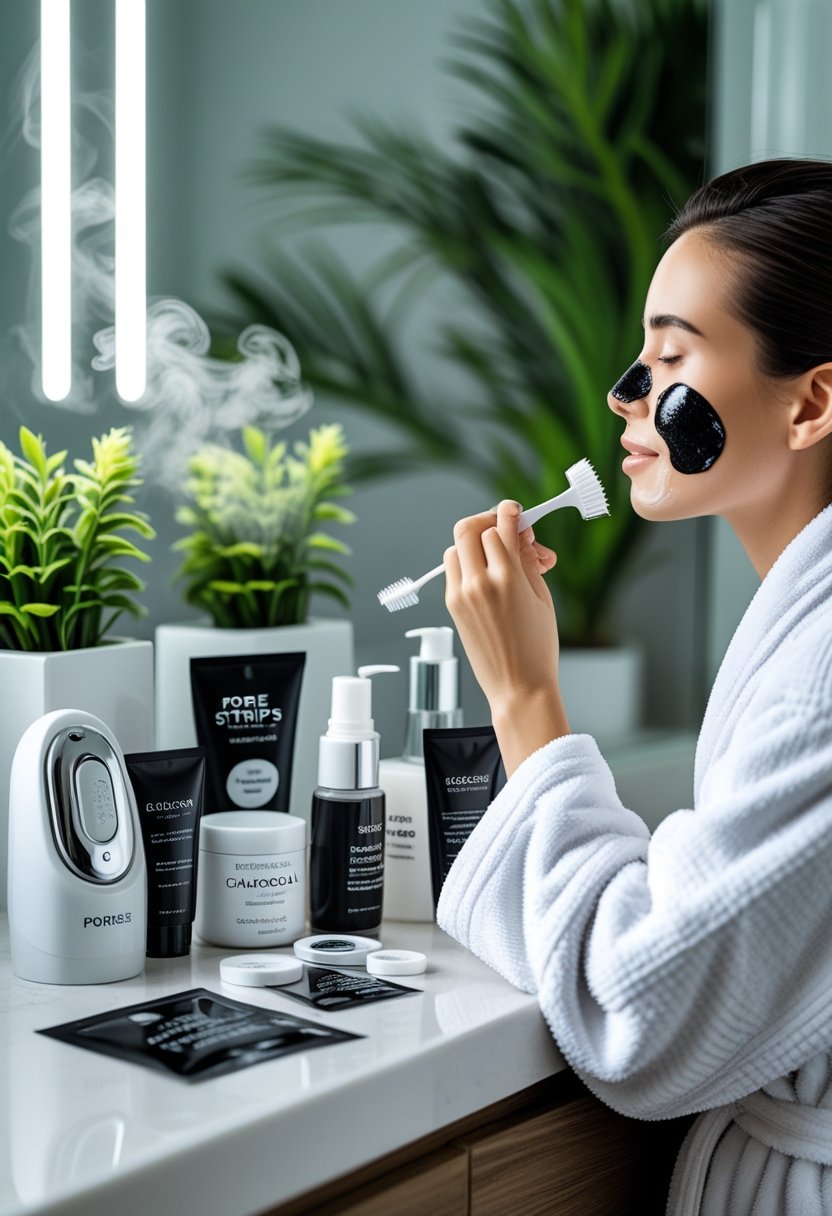
Pore strips adhere to the skin and physically remove surface blackheads when peeled away. They provide quick, visible results but only extract blackheads near the surface, not preventing future formation. Frequent use can irritate sensitive skin.
Steaming the face before blackhead removal opens pores and softens hardened sebum, making extraction safer and more effective. Using steam for 5-10 minutes increases pore accessibility without causing dryness. Combining steaming with gentle cleansing or masks enhances blackhead removal while minimizing skin damage.
Chemical and Physical Exfoliation Strategies
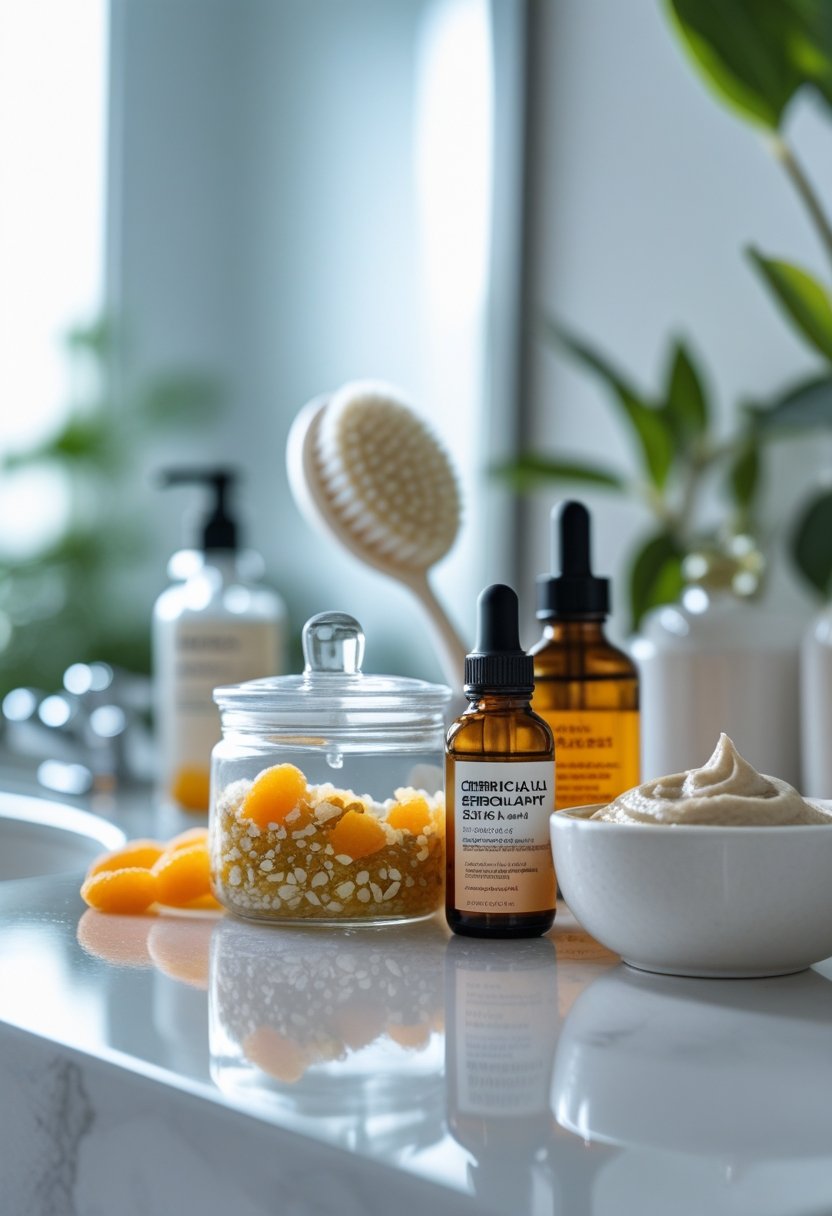
Exfoliation plays a vital role in managing blackheads by removing dead skin cells that clog pores and impede healthy skin renewal. Both chemical and physical methods target this buildup but do so through different mechanisms and with varying effects on skin texture and cell turnover.
Alpha Hydroxy Acids (AHAs)
AHAs are water-soluble acids derived from natural sources like fruits and milk. They work by gently loosening the bonds between dead skin cells, encouraging cell turnover and revealing smoother skin underneath. This process helps prevent clogged pores, a common cause of blackheads.
Common AHAs include glycolic acid and lactic acid, which differ mainly in molecular size and absorption rate. Glycolic acid, with the smallest molecule, penetrates deeply and is highly effective for improving skin texture and brightness. Lactic acid is milder, making it suitable for sensitive skin types by providing hydration alongside exfoliation.
Regular use of AHAs can improve the overall appearance of the skin while minimizing pore blockage. Consumers should use products with concentrations typically between 5-10% and apply sunscreen afterward, as AHAs increase photosensitivity.
Glycolic Acid and Lactic Acid
Glycolic acid is a powerful chemical exfoliant that accelerates the shedding of dead cells, which unclogs pores and reduces blackhead formation. Its small molecular size ensures deep skin penetration but may cause irritation, so starting with lower concentrations or less frequent use is advised.
Lactic acid is a gentler alternative, offering exfoliation along with moisturizing benefits. It is ideal for those with dry or sensitive skin who still want effective removal of dead skin cells without excessive dryness or redness.
Both acids contribute significantly to cell turnover, improving skin texture and tone. Products containing these ingredients come in various forms like cleansers, toners, or serums, allowing users to select what fits their routine best.
Physical Exfoliation Precautions
Physical exfoliation usually involves scrubs or brushes to mechanically remove dead skin cells. It is effective mainly for surface-level blackheads but requires caution to avoid skin irritation or damage.
Overly aggressive scrubbing can push blackheads deeper into pores or cause inflammation. Choosing gentle scrubs with smooth, rounded particles and limiting use to 1-2 times per week helps protect skin integrity.
People with sensitive or acne-prone skin should avoid harsh physical exfoliants to prevent worsening their condition. Combining physical exfoliation with chemical exfoliants like salicylic acid can improve results without excessive irritation.
Retinoids for Blackhead Prevention and Treatment
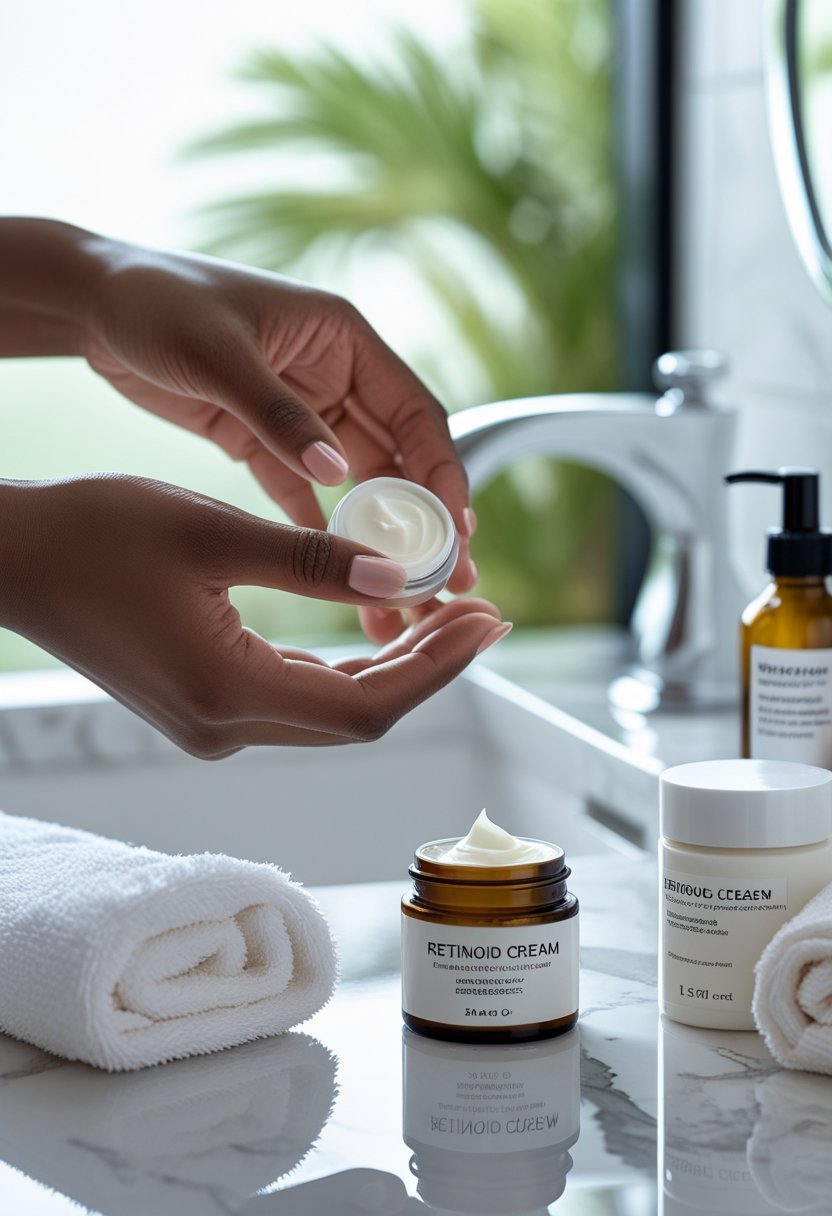
Retinoids work by increasing skin cell turnover, preventing dead cells and oil from clogging pores. Proper selection and application maximize benefits while minimizing irritation and sun sensitivity.
Choosing the Right Retinoid
There are various retinoids, ranging from over-the-counter adapalene to prescription-strength tretinoin and retinoic acid. Adapalene is a gentler option suitable for beginners, while tretinoin offers stronger effects but may cause more initial irritation.
Vitamin A derivatives promote exfoliation and reduce oil production, key to blackhead prevention. For sensitive skin, starting with a lower concentration or a cream-based formula helps ease skin adjustment.
Choosing a retinoid depends on skin type, sensitivity, and severity of blackheads. Consulting a dermatologist can ensure the right product and strength for individual needs.
Application Tips and Sun Protection
Applying retinoids at night reduces exposure to UV rays, which increase skin sensitivity during treatment. A pea-sized amount should be spread evenly to avoid irritation and excessive dryness.
To counter irritation, pairing retinoids with a gentle moisturizer before or after application helps maintain skin barrier function. Patients should avoid mixing retinoids with harsh exfoliants at first to prevent inflammation.
Daily use of a broad-spectrum sunscreen with at least SPF 30 is essential while using retinoids. Sunscreen protects the skin from damage caused by increased photosensitivity, ensuring treatment effectiveness and safety.
Professional and Advanced At-Home Options
Several effective methods exist for deeper blackhead removal beyond basic skincare routines. These approaches often involve specialized tools, exfoliating treatments, or professional guidance, targeting stubborn or widespread blackheads with precision and safety.
Comedone Extraction Tools
Comedone extractors are metal tools designed to apply targeted pressure around blackheads to safely remove their contents. They come in different shapes, usually featuring a small loop or a circular edge for pressing out clogged pores without damaging nearby skin.
Proper sterilization before and after use is crucial to prevent infection. Users should avoid excessive force, which can cause irritation or scarring. Combining extraction tools with prior pore softening—through steam or warm towels—improves results.
While effective for some, these tools require careful technique. Many dermatologists recommend using them sparingly or consulting a professional to avoid worsening the skin condition.
Chemical Peels and Microdermabrasion
Chemical peels involve applying acids like salicylic acid or glycolic acid to exfoliate the skin and break down the buildup inside pores. These peels reduce oiliness and promote cell turnover, helping clear blackheads over several treatments.
Microdermabrasion uses a device to gently abrade the skin’s surface, removing dead skin cells and debris. This process unclogs pores and enhances skin texture. Both methods are available in professional settings but can also be performed at home with milder formulas or devices.
Users should adhere strictly to instructions to avoid skin irritation, dryness, or sensitivity. Starting with lower concentrations and monitoring reactions helps ensure safety.
When to See a Dermatologist
A dermatologist should be consulted if blackheads are persistent, widespread, or accompanied by inflammation. Professionals can perform advanced extractions, prescribe medical-grade chemical peels, or recommend retinoids and other treatments suited to skin type.
Seeking expert help is essential when using at-home tools or treatments causes irritation, infection, or scarring. Dermatologists and estheticians provide safer, more precise removal and custom skincare plans that address the root causes of blackheads.
Timely professional intervention also helps prevent long-term skin damage and can improve overall complexion health.
Building a Preventive Skincare Routine
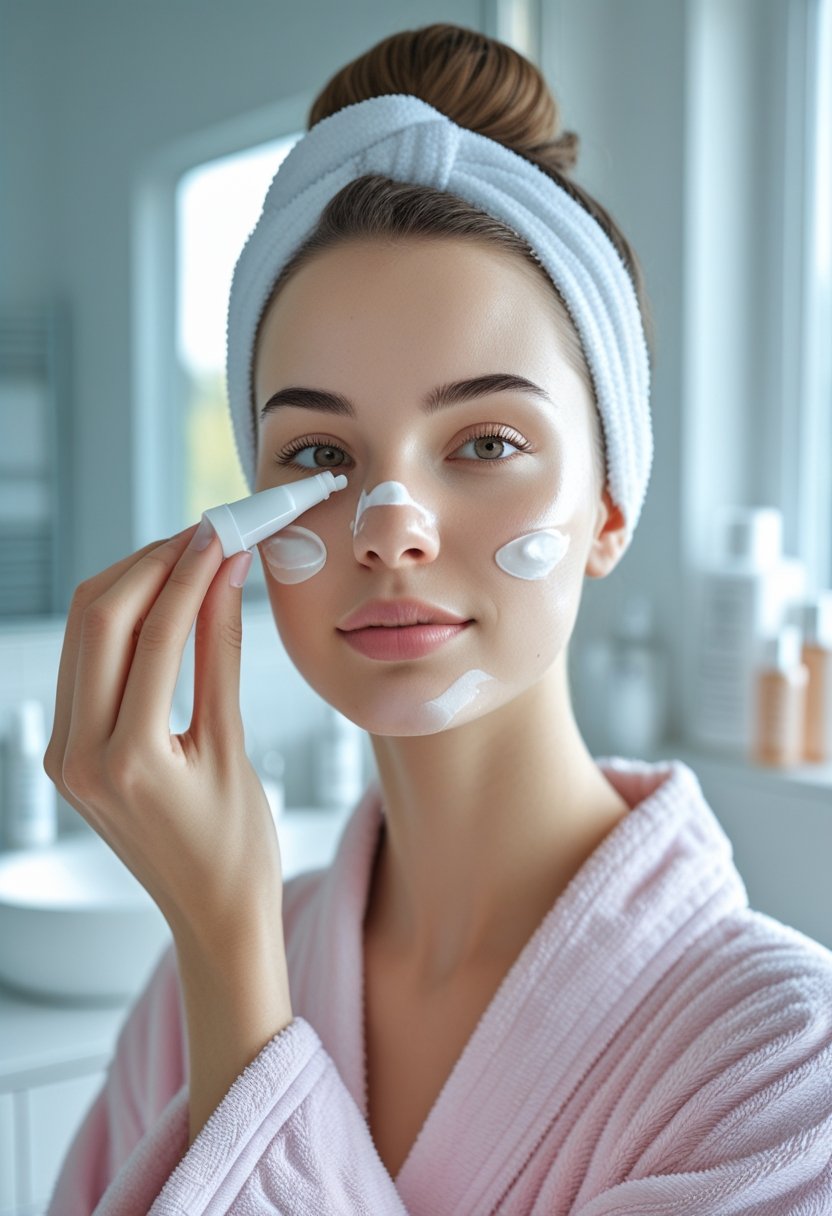
Consistent care and targeted habits are key in reducing blackheads and maintaining clear skin. Proper cleansing, hydration, protection from UV damage, and mindful lifestyle choices work together to keep pores clean and skin balanced.
Daily Cleansing Habits
Cleansing twice daily is essential for controlling oil buildup that leads to blackheads. Using a gentle, non-comedogenic cleanser removes dirt, excess sebum, and impurities without stripping the skin’s natural moisture.
Incorporating double cleansing can be effective: start with an oil-based cleanser to dissolve makeup and sebum, followed by a water-based cleanser to remove residue. Exfoliating with salicylic acid 2-3 times a week helps clear clogged pores by penetrating inside and breaking down dead skin cells.
Avoid harsh scrubbing or overwashing, which may irritate skin and increase oil production, worsening blackheads.
Moisturizing and Sun Protection
Hydrating the skin with a lightweight, non-comedogenic moisturizer prevents dryness and maintains the skin barrier. Well-moisturized skin balances oil production, minimizing the risk of clogged pores.
Daily application of sunscreen is equally important. Choose a broad-spectrum, oil-free formula with at least SPF 30. Sunscreen protects against UV damage, which can thicken skin and worsen pore congestion, leading to more blackheads.
Layer moisturizer and sunscreen appropriately to ensure skin remains hydrated and shielded throughout the day.
Lifestyle Tips for Prevention
Lifestyle choices significantly impact blackhead formation. Maintaining a balanced diet low in processed sugars and dairy can reduce inflammation that triggers excess oil production.
Regular exercise promotes healthy circulation and sweat helps clear pores, but showering promptly after workouts is necessary to avoid pore blockages. Additionally, avoid touching the face frequently to reduce the transfer of dirt and bacteria.
Sleep quality also supports skin health. Poor sleep increases stress hormones that can stimulate oil glands, so establishing a restful sleep routine contributes to preventing blackheads.
