


Dry skin requires a targeted skin care routine to maintain hydration and prevent irritation. A proper dry skin care routine focuses on gentle cleansing, consistent moisturizing, and protection from environmental stressors. This approach keeps the skin barrier healthy and reduces flaking, tightness, and discomfort.
Understanding Dry Skin
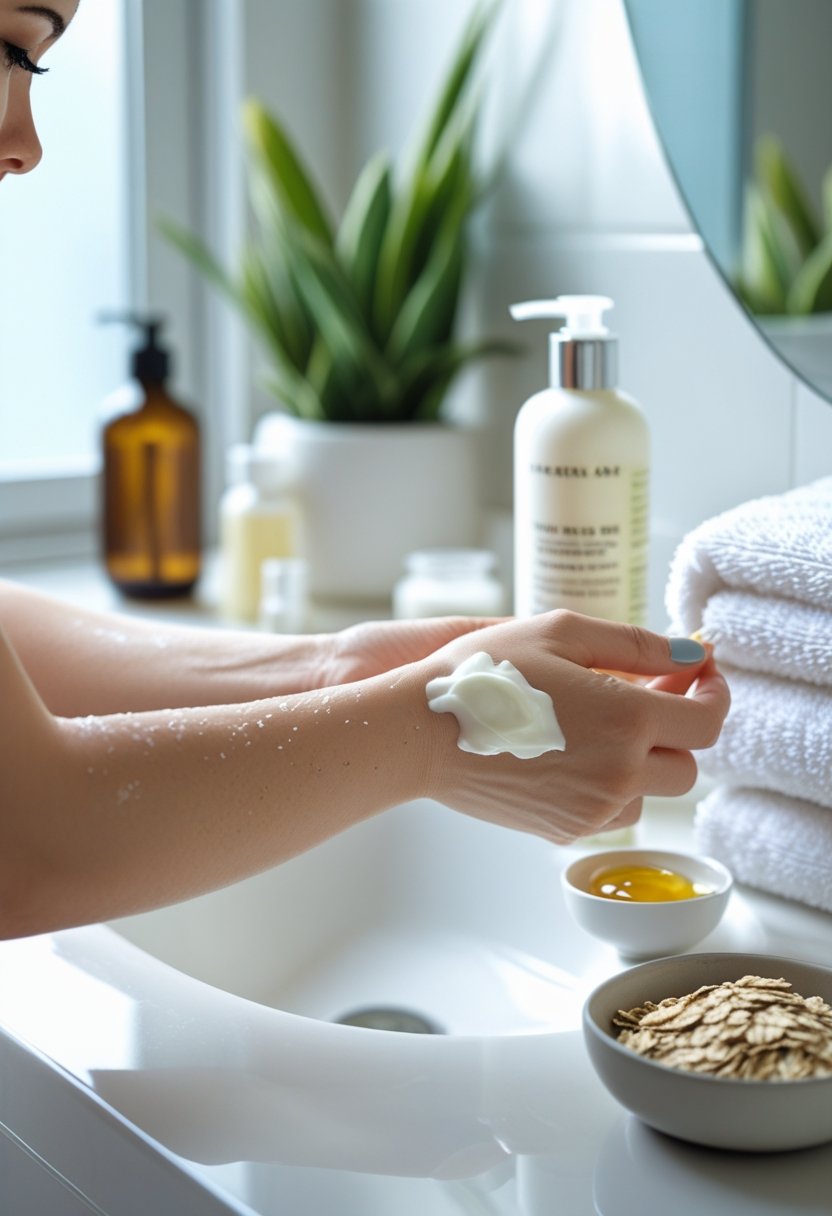
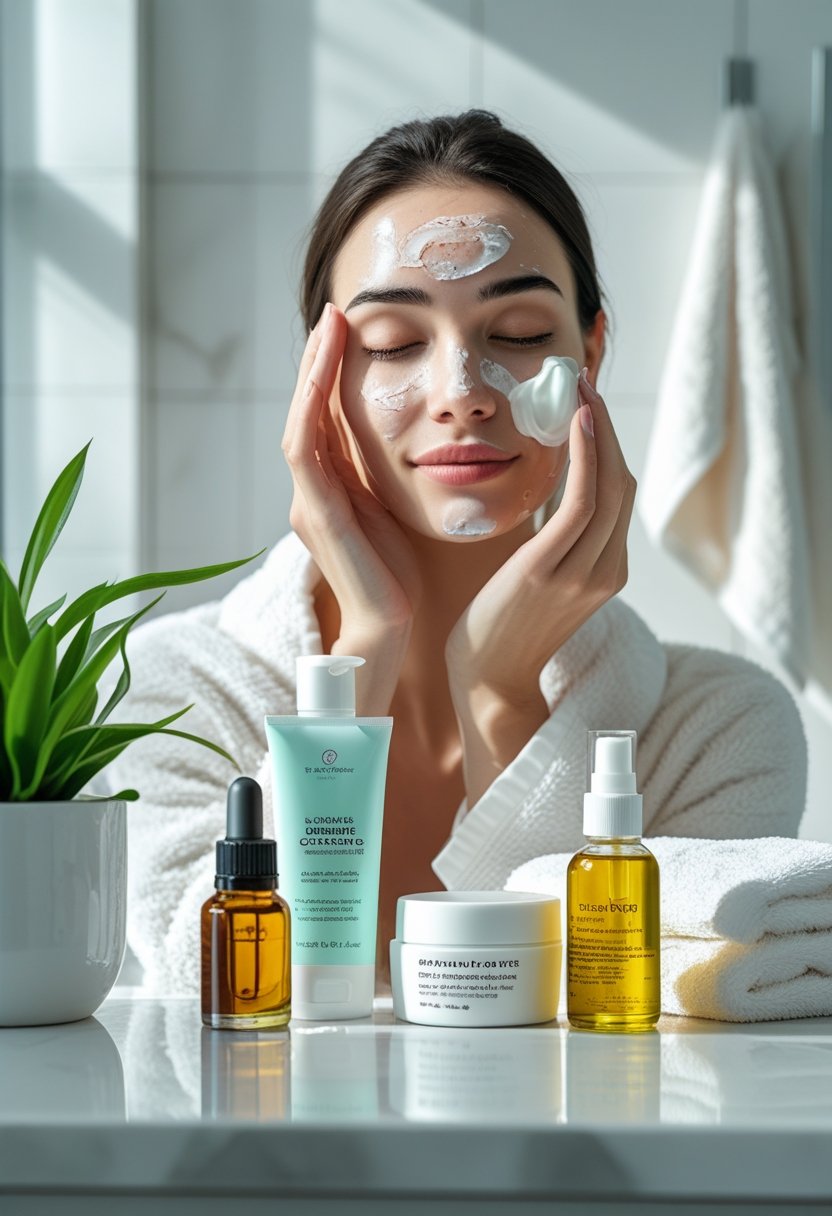
Dry skin occurs when the skin loses its ability to retain sufficient moisture, causing discomfort and visible changes. It involves a disruption in the skin’s protective barrier, which normally locks in hydration while keeping irritants out. Several factors can influence this condition, including internal and environmental triggers.
Common Signs and Symptoms
Dry skin typically presents as rough, flaky patches that may feel tight or itchy. It can appear dull or ashy, especially on areas like the hands, elbows, and face. In more severe cases, fine lines and cracks develop, which increase sensitivity and vulnerability to irritation.
Some may confuse dry skin with dehydrated skin; the former refers to a lack of oil, while the latter involves insufficient water content. Both conditions often coexist, but treating dry skin specifically requires addressing oil production and moisture retention.
Primary Causes and Triggers
Dry skin results from multiple causes, including genetics, aging, and medical conditions like eczema or psoriasis. Certain skincare products, especially those containing alcohol or harsh cleansers, can strip natural oils and worsen dryness.
Decreased oil production with age is common, reducing the skin’s natural hydration. Frequent washing with hot water and using rough towels can also damage the skin barrier, leading to moisture loss. Lifestyle factors such as poor diet or inadequate water intake may contribute but are less direct causes.
The Role of the Skin Barrier
The skin barrier is the outermost layer, composed primarily of lipids and proteins, which functions like a shield. Its role is to keep moisture inside and prevent external irritants and microbes from entering.
When this barrier is compromised or damaged, water escapes more easily, causing dry skin. Strengthening the skin barrier with moisturizers that contain ceramides, fatty acids, and humectants supports hydration and protects against further moisture loss.
Impact of Weather and Environment
Low humidity levels, common during winter or in dry climates, exacerbate dry skin by pulling moisture from the skin’s surface. Cold air combined with indoor heating further reduces humidity, drying out the skin.
Exposure to wind and sun also damages skin cells and depletes natural oils. To counteract environmental effects, it is necessary to use protective moisturizers and avoid prolonged exposure to harsh conditions. Maintaining humidity indoors with humidifiers can help preserve skin hydration.
Key Ingredients for Dry Skin Care
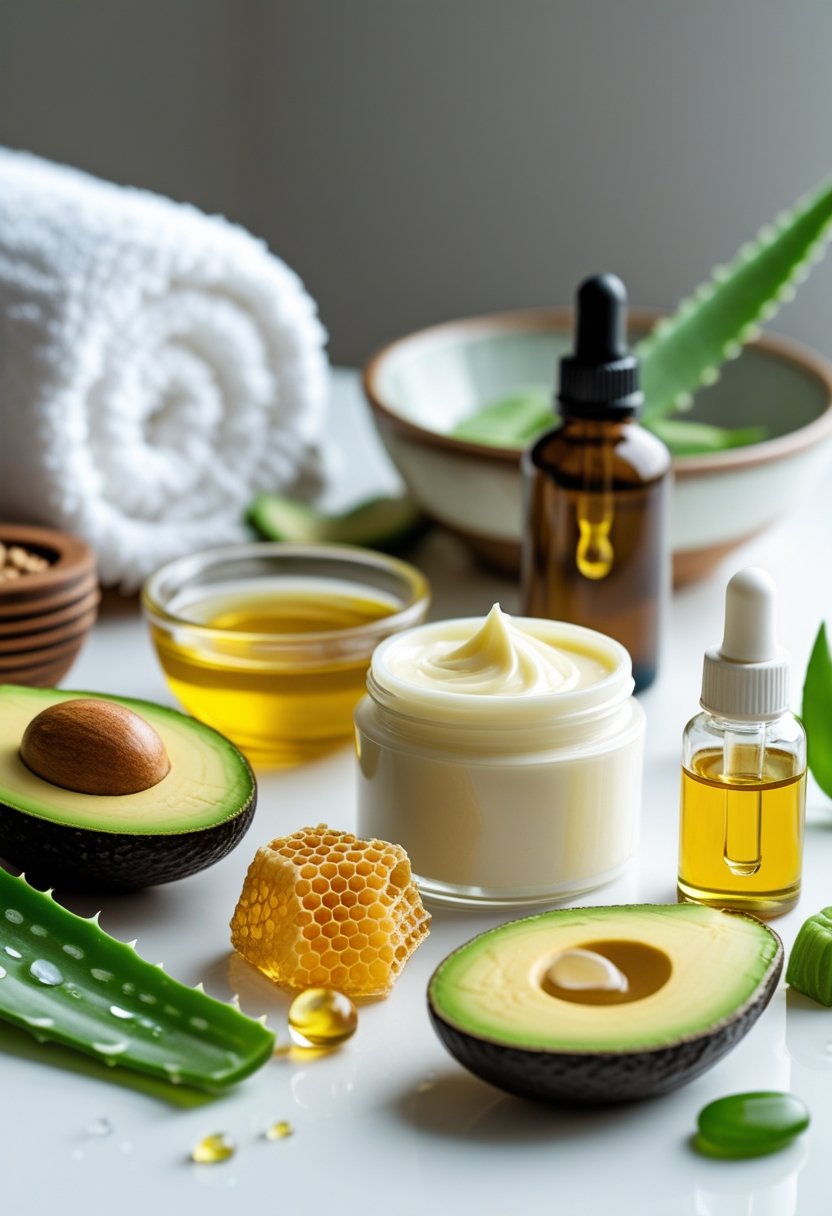
Effective dry skin care relies on ingredients that hydrate, protect, and nourish the skin without causing irritation. These components work together to restore moisture, strengthen the skin barrier, and support overall skin health. Selecting the right combination based on skin needs is essential for lasting hydration and comfort.
Humectants: Hyaluronic Acid, Glycerin, Aloe Vera
Humectants draw water into the skin from the environment and deeper layers, helping to maintain hydration. Hyaluronic acid is a powerful humectant capable of holding up to 1,000 times its weight in water, promoting plumpness without heaviness.
Glycerin is another common, effective humectant that softens the skin and improves moisture retention while being gentle enough for sensitive skin.
Aloe vera offers additional calming and hydrating properties, making it ideal for irritated or flaky dry skin. It also contains polysaccharides that help bind moisture and support skin repair.
Together, these humectants ensure the skin stays hydrated throughout the day, reducing tightness and flakiness.
Emollients: Shea Butter, Squalane, Jojoba Oil
Emollients soften and smooth the skin by filling in cracks and gaps between skin cells. Shea butter is a rich, natural emollient known for its moisturizing and anti-inflammatory properties, ideal for soothing dry patches and strengthening the skin barrier.
Squalane, a stable oil derived from plants, mimics the skin’s natural oils and absorbs quickly without clogging pores. It improves elasticity and leaves the skin soft and supple.
Jojoba oil closely resembles the skin’s own sebum, making it an effective emollient that balances moisture and offers a non-greasy finish. It also contains antioxidants that protect skin from damage.
These emollients help maintain smoothness and flexibility, crucial for dry skin prone to roughness.
Occlusives: Ceramides, Lanolin
Occlusives form a protective layer on the skin’s surface that prevents water loss through evaporation. Ceramides are lipid molecules naturally present in the skin, essential for maintaining the skin’s barrier function and sealing in moisture.
Lanolin is a thick, waxy substance derived from wool, which provides a durable barrier to lock hydration in, especially beneficial in harsh, dry climates.
Using occlusives in moisturizers helps restore the skin’s natural defenses, preventing further dryness and irritation by creating an effective moisture seal.
Nourishing Vitamins and Antioxidants
Vitamins and antioxidants support skin repair and protect against environmental damage that worsens dryness.
B vitamins, like niacinamide, improve the skin barrier and enhance moisture retention while reducing inflammation and redness.
Vitamin C is an antioxidant that not only brightens the skin but also boosts collagen production, aiding in skin strength and repair.
Together, these nutrients protect dry skin from oxidative stress and help restore a healthy, resilient complexion.
Daily Skin Care Routine for Dry Skin
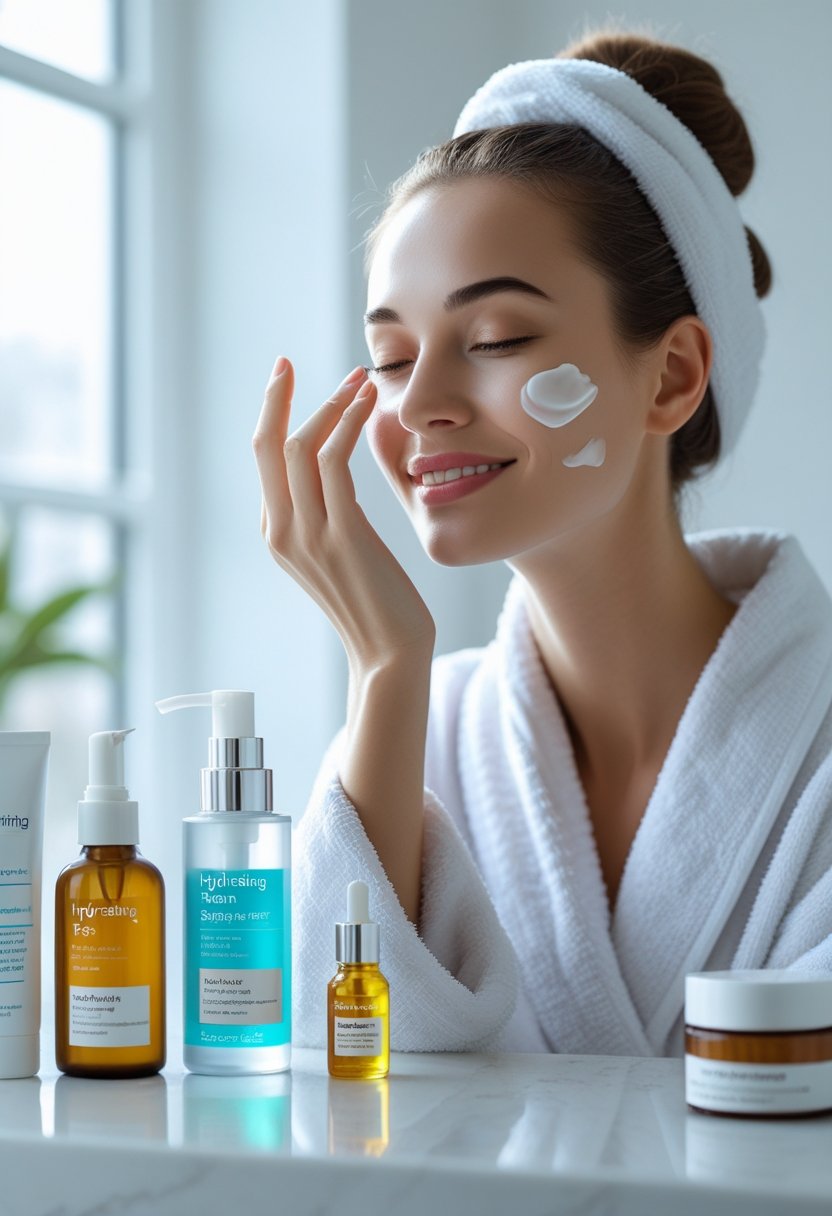
Maintaining consistent hydration and protection throughout the day is essential for dry skin. This involves using products that lock in moisture while shielding the skin from environmental stressors. At night, the focus shifts to restoring and nourishing the skin to repair damage and reinforce the moisture barrier.
Morning Routine for Hydration and Protection
The morning routine should start with a gentle cleanser formulated for dry skin to avoid stripping natural oils. Next, a hydrating toner helps to balance the skin’s pH and add an extra layer of moisture.
Applying a hydrating serum rich in ingredients like hyaluronic acid provides deep hydration. Follow with a moisturizer designed to lock in moisture and restore softness.
Sun protection is crucial. A broad-spectrum sunscreen with at least SPF 30 should be applied as the final step to protect against UV damage and prevent further dryness.
Night Routine for Repair and Nourishment
At night, cleansing should be gentle but thorough to remove sunscreen and impurities without drying out the skin. After cleansing, a hydrating toner or essence primes the skin for the next steps.
A nourishing serum with repair-focused ingredients such as ceramides or peptides helps rebuild the skin barrier. Applying a rich, emollient moisturizer seals in hydration and supports overnight repair.
Optional: incorporating an occlusive product like a facial oil or balm may provide additional moisture retention, especially in harsh or dry environments. This ensures skin wakes up soft, hydrated, and restored.
Cleansing Methods for Dry Skin
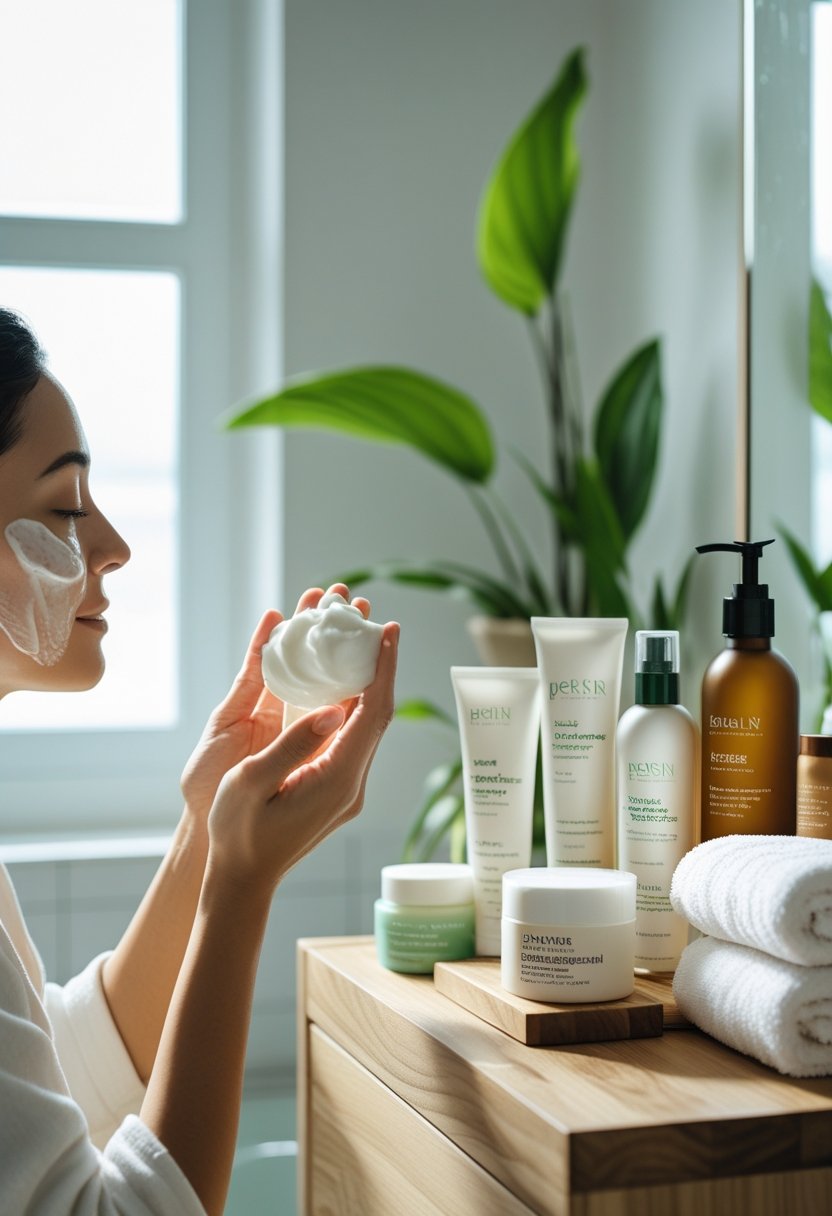
Proper cleansing is essential for dry skin to remove impurities without stripping natural oils. It requires careful selection of products and techniques that maintain hydration and protect the skin barrier.
Choosing a Gentle Cleanser
A cleanser for dry skin must be free of harsh ingredients like sulfates and alcohol. Such elements can cause irritation and increase dryness. Instead, gentle cleansers contain moisturizing agents like glycerin or hyaluronic acid to preserve skin hydration.
Ideally, the cleanser should have a creamy or lotion-like texture. These formulas clean effectively without leaving the skin feeling tight or flaky. Using lukewarm water rather than hot water prevents additional moisture loss during cleansing.
Oil-Based Cleansers vs. Water-Based Cleansers
Oil-based cleansers are beneficial for dry skin because they dissolve oil-based impurities while nourishing the skin. They gently lift dirt and makeup without disrupting the protective lipid barrier.
Water-based cleansers complement oil-based ones by removing sweat and water-soluble dirt. For a thorough clean, some follow a double cleansing method, starting with an oil-based cleanser and finishing with a mild water-based one.
This combination ensures deep cleansing but avoids over-drying, which helps maintain softness and hydration in dry skin.
Avoiding Harsh Foaming Cleansers
Foaming cleansers often contain strong surfactants that strip oils from the skin. For dry skin, these can cause tightness, redness, and excessive flaking.
Many foaming cleansers create a rich lather by removing essential lipids. This results in a compromised skin barrier, increasing water loss and discomfort.
Dry skin types should avoid foaming formulas labeled as clarifying or deep-cleaning. Instead, they should opt for non-foaming or low-foam cleansers designed to be emollient and soothing.
Moisturizing and Maintaining Skin Hydration
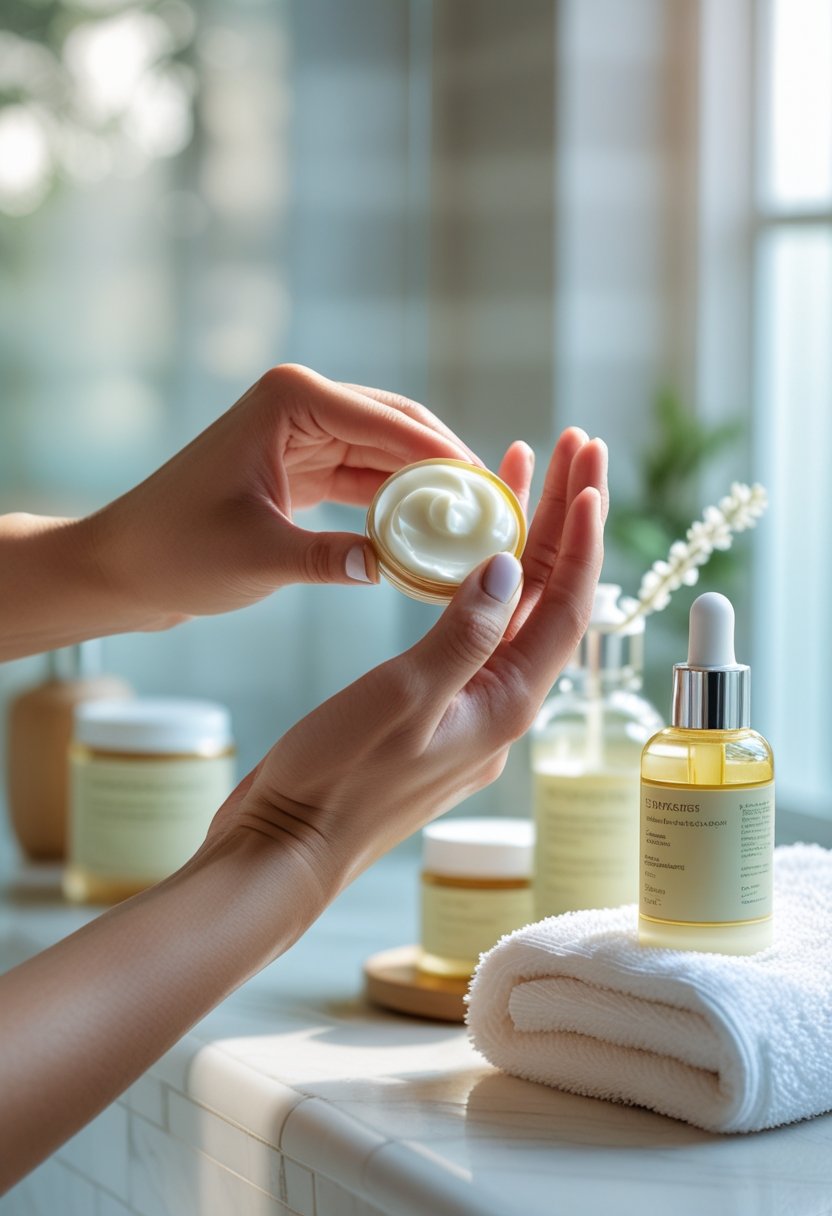
Proper moisturization is essential for managing dry skin effectively. It involves selecting a formula suited to individual needs, applying it correctly, and supporting the skin’s natural barrier to retain moisture and prevent further dryness.
Selecting the Right Moisturizer
Choosing a moisturizer with the right combination of ingredients is critical to restore and maintain skin hydration. Look for products containing emollients like ceramides, fatty acids, and hyaluronic acid, which help attract and lock in moisture.
Heavier creams and ointments are generally more effective for dry skin than lotions, as they form a protective layer preventing water loss. Avoid products with fragrances and alcohol, which can irritate and worsen dryness.
Moisturizers formulated specifically for dry or sensitive skin often contain hydrating ingredients designed to repair the skin barrier and soothe tightness or flakiness.
Application Tips for Maximum Hydration
Applying moisturizer immediately after cleansing maximizes hydration by sealing in water. Damp skin absorbs products better than dry skin, so it’s best to apply within minutes of washing the face or body.
Use gentle, upward strokes to avoid irritation and ensure even coverage. Applying too little can diminish effectiveness; a dime-sized amount for the face is usually sufficient but adjust based on skin area and severity of dryness.
Reapplication during the day may be necessary, especially in dry or cold environments. Consistency is key to maintaining hydration and preventing skin from becoming tight or flaky.
Supporting the Skin Barrier
A healthy skin barrier is essential to retain moisture and protect against irritants. Using moisturizers with barrier-repair ingredients like ceramides, cholesterol, and niacinamide helps strengthen this layer.
Avoid excessive washing and harsh cleansers, as they strip oils and weaken the barrier. Protective sunscreen should be part of the routine, as UV damage impairs skin’s ability to retain hydration.
Maintaining hydration also depends on environmental factors, so using humidifiers and staying hydrated internally supports skin health over time.
Advanced Tips and Common Mistakes
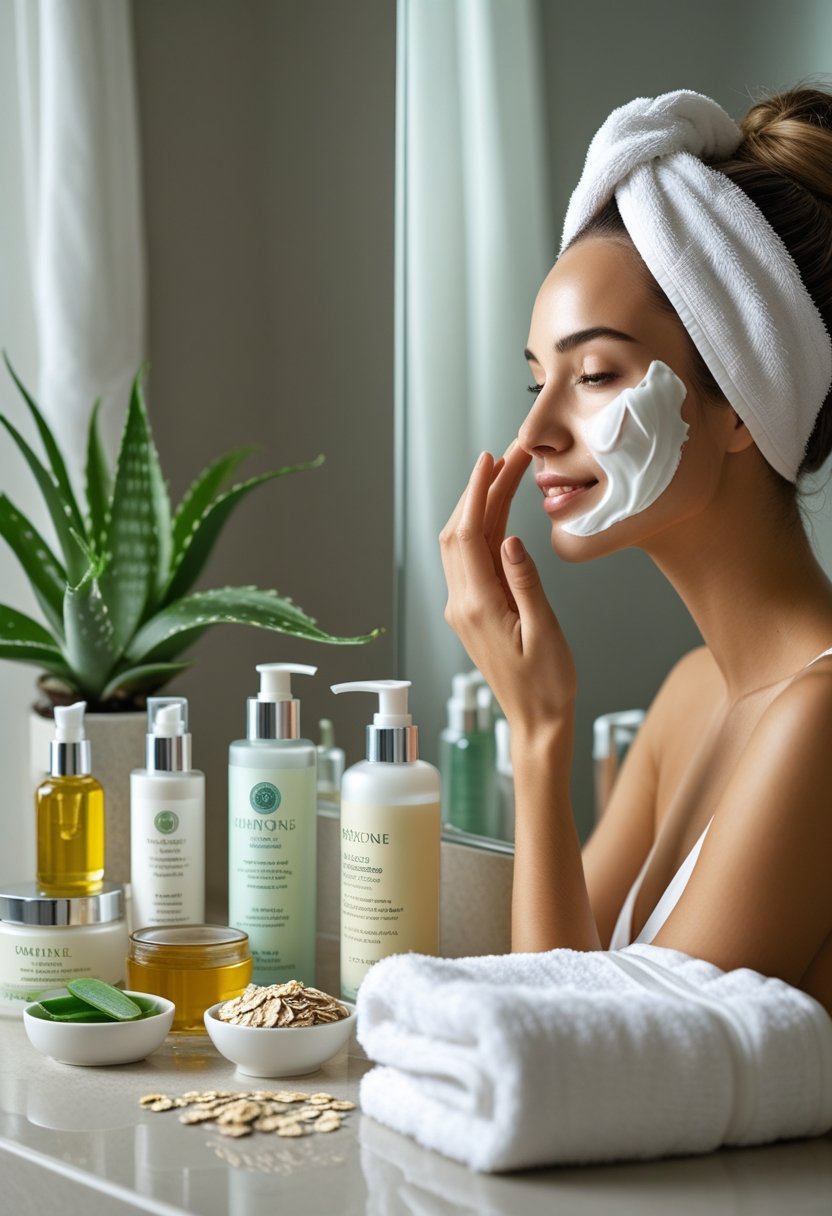
Effective dry skin care requires attention to detail beyond basic moisturizing. Proper exfoliation, using environmental aids like humidifiers, and recognizing skin sensitivity can enhance results. Avoiding common errors prevents further dryness and irritation.
Integrating Exfoliation
Exfoliation removes dead skin cells that can build up and worsen dryness. For dry skin, gentle exfoliation is essential to avoid damaging the skin barrier.
Chemical exfoliants, such as salicylic acid in low concentrations, are preferred over harsh physical scrubs. They help clear flakes without abrasion. Limit exfoliation to 1-2 times per week to prevent irritation.
When exfoliating, follow with a soothing moisturizer to reinforce hydration. Over-exfoliating can strip natural oils, so it’s important to monitor skin response and adjust frequency accordingly.
Using a Humidifier for Extra Hydration
A humidifier adds moisture to indoor air, combating dryness caused by low humidity, especially in colder months. This helps maintain skin’s natural hydration levels and reduces tightness and flakiness.
Using a humidifier consistently overnight supports skin repair and prevents the moisture loss that dry air can accelerate. It is particularly beneficial in heated rooms where air tends to be exceptionally dry.
Humidifiers should be cleaned regularly to avoid mold and bacteria buildup, which can worsen skin conditions. This simple environmental adjustment complements topical skincare effectively.
Managing Sensitive Skin and Irritation
Dry skin often accompanies sensitivity, making it prone to irritation from products or environmental factors. Choosing fragrance-free, hypoallergenic skincare reduces risks.
Patch testing new products minimizes adverse reactions. Ingredients like alcohol, strong acids, or synthetic fragrances should be avoided as they can worsen dryness and redness.
Applying products in thin layers allows the skin to absorb nutrients without becoming overwhelmed. Barrier-repair formulations containing ceramides or niacinamide help strengthen skin resilience.
Avoiding Skincare Mistakes
Over-cleansing is a common error that strips natural oils, increasing dryness. Washing the face no more than twice daily with a gentle cleanser helps protect the skin’s moisture barrier.
Avoid using hot water, which heightens dryness and irritation. Instead, lukewarm water preserves natural oils.
Skipping sunscreen exposes dry skin to UV damage and dehydration. A broad-spectrum sunscreen with hydrating properties should be applied daily, even in cooler weather.
Using too many active ingredients simultaneously can overload dry skin, causing flare-ups. Simplifying the routine and introducing products gradually reduces this risk.
