
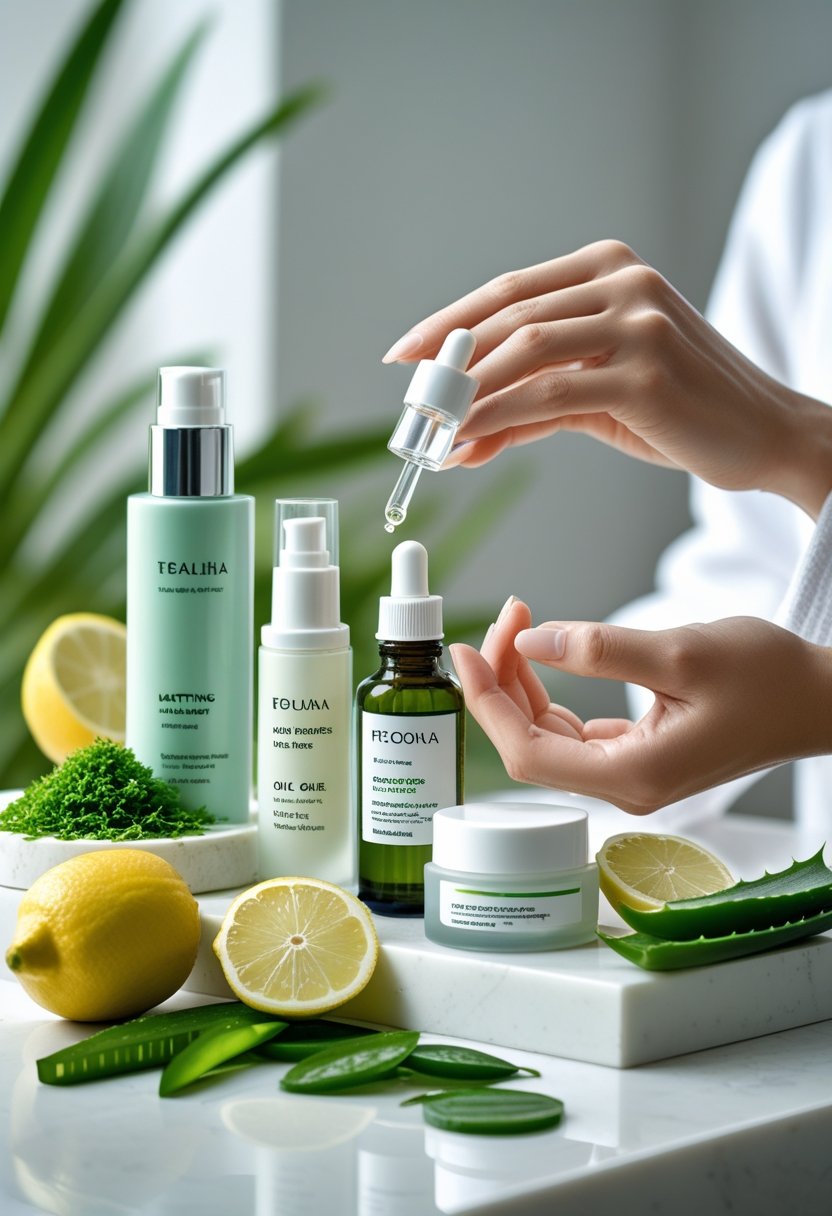

Oily skin results from excess sebum production, which can lead to shine, clogged pores, and occasional breakouts. Managing oily skin effectively requires a tailored skin care routine that controls oil without stripping the skin’s natural moisture. The key to oily skin care is using gentle cleansing methods and oil-regulating products to balance the skin’s surface and reduce excess shine.
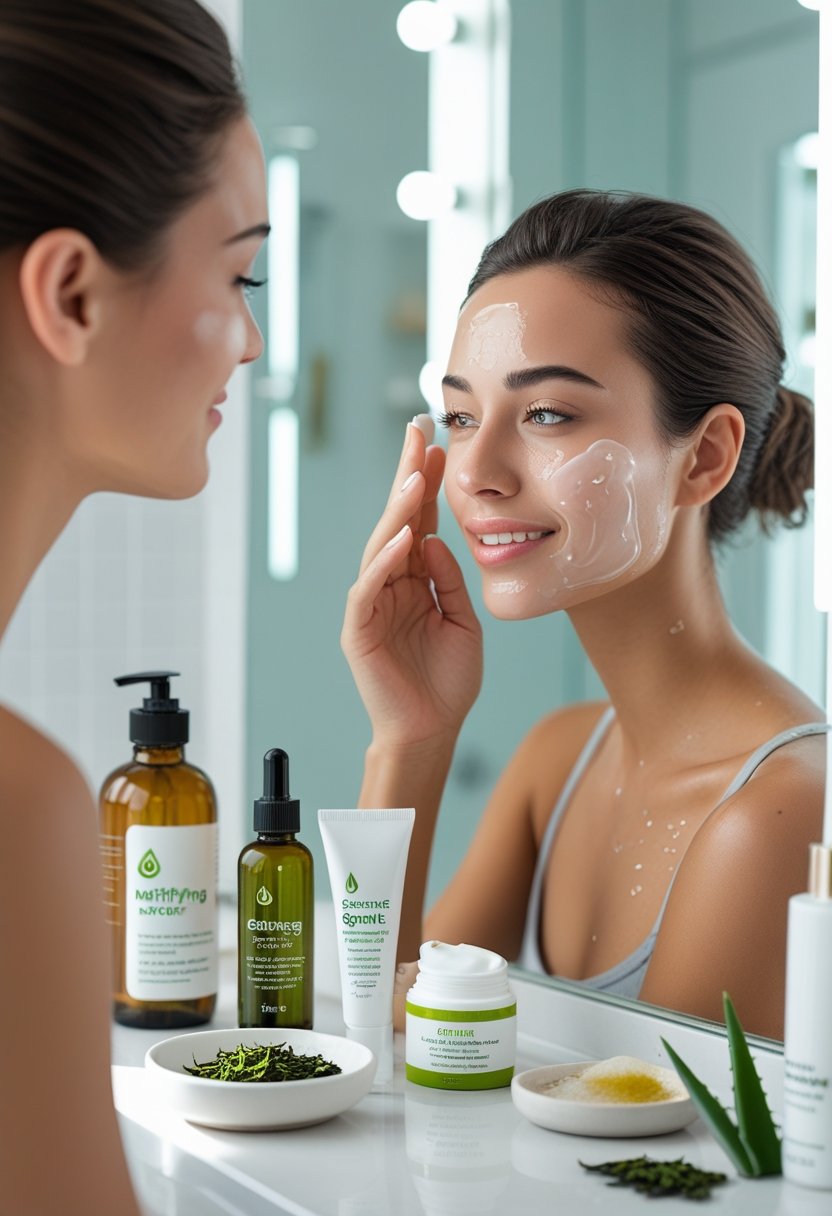
Understanding Oily Skin
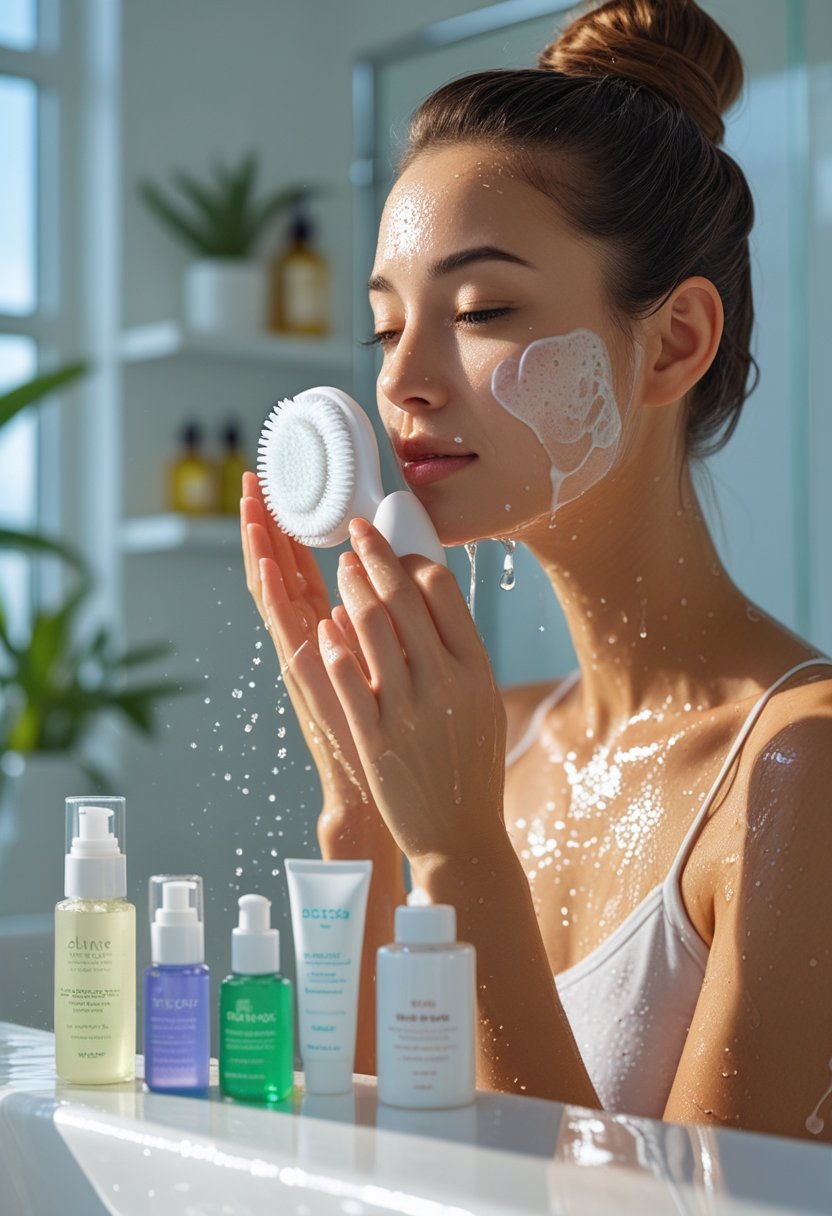
Oily skin results from the overproduction of sebum by the sebaceous glands. This natural oil is essential for skin protection, but when produced in excess, it can cause visible shine, large pores, and acne. Various factors contribute to oily skin, along with distinct features and common concerns.
Causes of Excess Sebum Production
Sebaceous glands produce sebum, an oily substance that helps maintain skin hydration and barrier function. Excess sebum production can be triggered by hormonal changes, particularly fluctuations in androgens like testosterone. These hormones increase gland activity, which is why oily skin is common during puberty, pregnancy, or menopause.
Other factors include genetics, weather conditions—especially heat and humidity—and stress, all of which can stimulate oil glands. Additionally, harsh skincare routines that strip natural oils may cause the skin to compensate by producing more sebum. Understanding these causes helps manage oily skin effectively.
Characteristics of Oily Skin
Oily skin typically appears shiny, especially in the T-zone, which includes the forehead, nose, and chin. This area tends to have the highest concentration of sebaceous glands. The excess sebum can create a greasy texture and make the skin feel thick or heavy.
Pores often appear larger and more visible on oily skin due to the buildup of oil and dead skin cells that stretch the pore walls. Regular cleansing without over-drying helps maintain balance but does not eliminate oil production entirely.
Common Concerns: Shine, Enlarged Pores, and Breakouts
Excess sebum leads to noticeable shine, which can cause discomfort or frustration for many. Enlarged pores become more prominent because sebum mixes with dead skin cells, forming blockages that stretch the pore openings.
These blockages can trigger acne and breakouts, as trapped oil creates an environment where bacteria thrive. Consistent skincare targeting oil control and gentle exfoliation can help reduce these concerns without irritating the skin or causing rebound oiliness.
Building an Effective Skincare Routine for Oily Skin
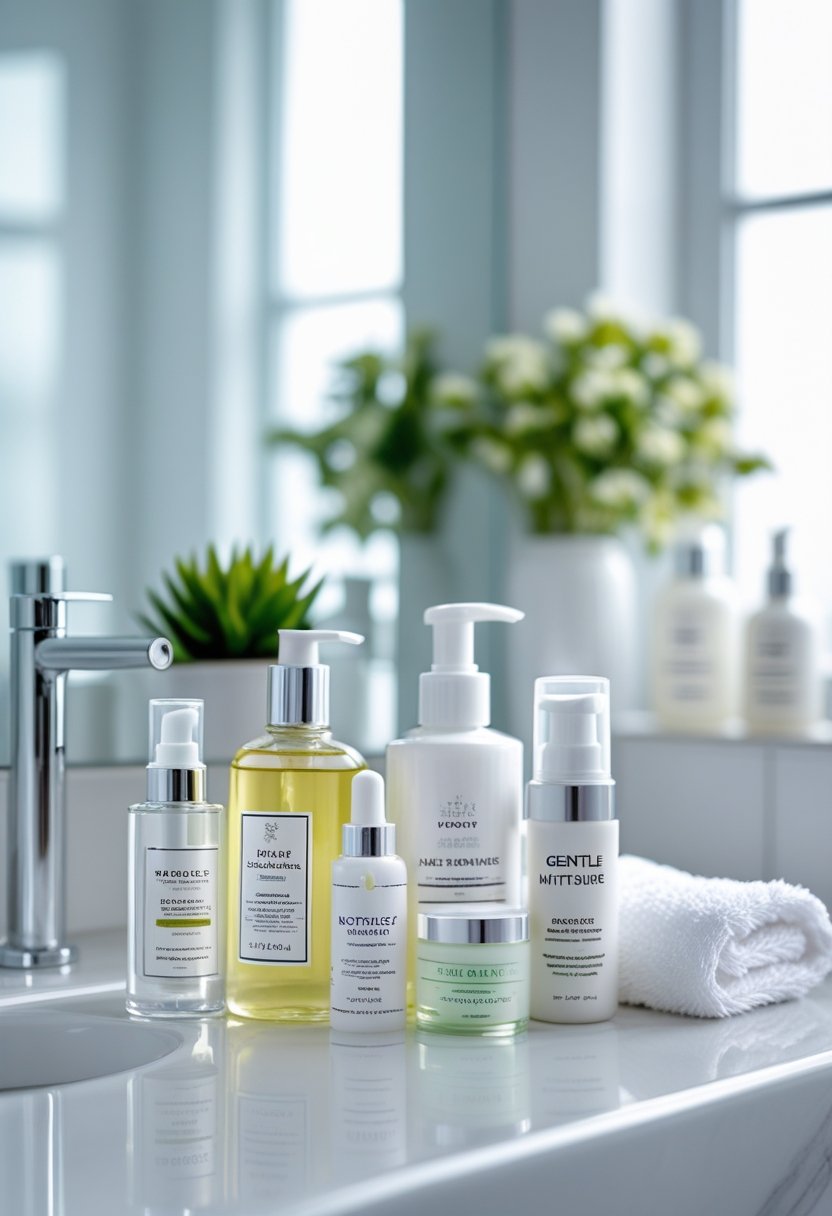
An effective skincare routine for oily skin balances oil control with hydration and barrier support. It requires consistent cleansing and targeted products that regulate oil without overdrying the skin.
Morning Routine Steps
Start with a gentle cleanser that removes excess oil without stripping the skin. A foaming or gel-based cleanser works well for oily types.
Next, apply a lightweight, oil-free moisturizer with ingredients like niacinamide or hyaluronic acid to hydrate without clogging pores. Using a mattifying sunscreen with broad-spectrum protection is crucial to protect skin and prevent breakouts caused by UV exposure.
Incorporating a toner with salicylic acid helps control shine and clears pores. The morning routine should avoid heavy creams and abrasive scrubs that can increase oil production.
Nighttime Skincare Essentials
The nighttime skincare routine often begins with double cleansing: first, a cleansing balm or micellar water to remove sunscreen, dirt, and makeup. Follow this with a gentle cleanser to deeply clean pores.
After cleansing, applying a targeted serum with ingredients such as salicylic acid, retinol, or niacinamide helps reduce breakouts and improve skin texture.
Finish with an oil-free, non-comedogenic moisturizer to repair the skin barrier and maintain hydration overnight. Nighttime is also ideal for treatments that regulate oil production and support skin renewal without irritation.
Cleansing Strategies for Oily Skin
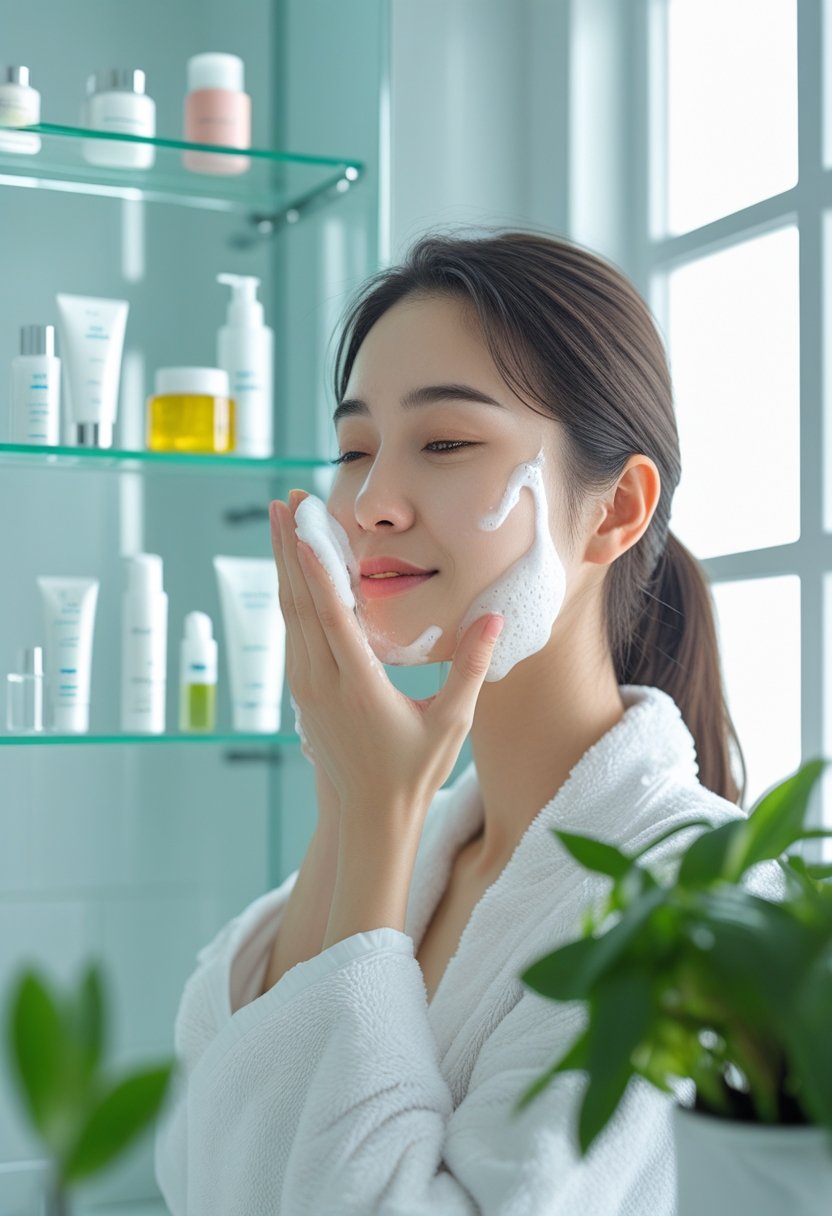
Effective cleansing for oily skin involves selecting appropriate products and techniques that remove excess oil without causing irritation or dryness. Establishing a consistent routine and understanding the benefits of different cleansing methods are essential to manage shine and prevent clogged pores.
Choosing the Right Cleanser
Selecting a cleanser suitable for oily skin is critical. A gentle foaming cleanser or one with salicylic acid helps dissolve excess sebum while maintaining the skin’s natural moisture barrier. Avoid harsh scrubs and overly abrasive formulas that strip the skin, which can trigger more oil production.
Types of cleansers to consider:
- Foaming cleansers: Effective in removing oil and impurities without heavy residue.
- Micellar water: Good for gentle, quick cleansing, especially for sensitive areas.
- Cleansing balms: Typically richer, so they should be used cautiously and not as the primary cleanser for very oily skin.
Choosing a non-comedogenic product reduces the risk of clogged pores and breakouts. Reading ingredients and product labels ensures the cleanser suits oily or combination skin types.
Importance of Double Cleansing
Double cleansing helps thoroughly remove oil, dirt, and makeup that single cleansing might miss. The first step typically uses an oil-based cleanser to break down sebum and impurities.
The second step follows with a water-based or foaming cleanser to remove residue and deep-cleanse the pores. This method is particularly helpful for oily skin prone to acne, as it prevents buildup without over-drying.
Double cleansing balances cleansing strength and skin hydration, reducing the likelihood of excess oil production triggered by harsh cleansing alone.
Frequency and Best Practices
Washing the face twice daily, in the morning and before bed, generally suits oily skin well. Over-cleansing or washing aggressively can cause the skin to produce more oil in response.
Best practices include:
- Use lukewarm water to avoid irritating the skin.
- Gently massage the cleanser for 30-60 seconds to effectively remove impurities.
- Avoid hot water or scrubbing, which can worsen oiliness.
- Pat the skin dry with a soft towel rather than rubbing.
Adjust frequency based on skin condition; some may need an extra wash post-exercise or heavy sweating. Consistency and gentle care support balanced skin without triggering excess oil or irritation.
Targeted Treatments and Ingredients
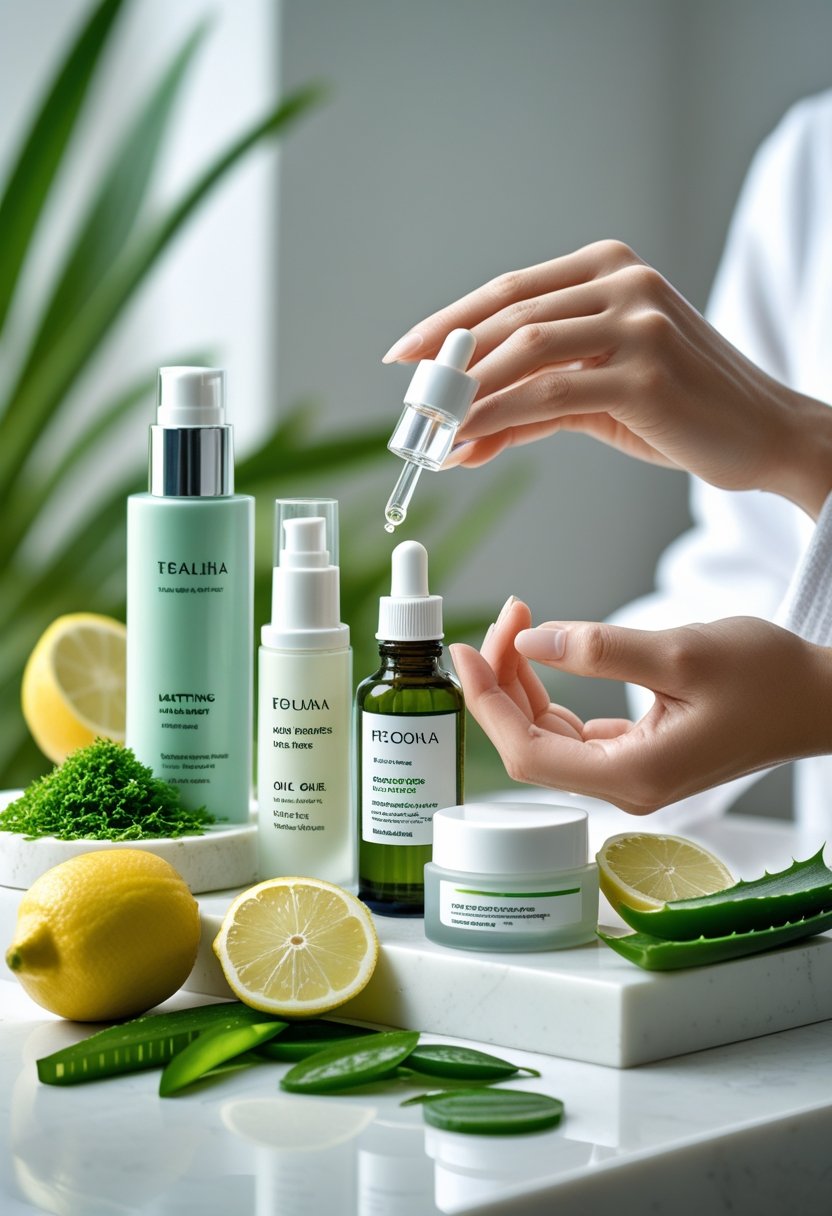
Effective oily skin care involves precise use of products that balance oil production, prevent clogged pores, and reduce blemishes. Proper toning, active serums, masks, and spot treatments all play specific roles in maintaining skin clarity and health.
Toners and Exfoliation
Toners designed for oily skin often include astringent ingredients like witch hazel or gentle acids such as salicylic acid. These components help remove excess oil and reduce pore size without stripping the skin’s natural barrier.
Exfoliation is key, typically done 1-3 times weekly with alpha hydroxy acids (AHAs) like glycolic acid or beta hydroxy acids (BHAs) such as salicylic acid. They dissolve dead skin cells that can clog pores and cause blackheads or whiteheads.
Facial toners with niacinamide support oil control and soothe inflammation. It is important to avoid harsh toners with high alcohol content, which can trigger more oil production by drying skin excessively.
Serums and Active Ingredients
Serums should contain targeted ingredients like niacinamide to regulate sebum production and improve skin texture. Retinol is beneficial for cell turnover, tackling both acne and signs of aging, but should be introduced gradually due to potential irritation.
Vitamin C serums support collagen production and reduce inflammation, contributing to a brighter, healthier complexion without adding oil.
Peptides can also be included to strengthen the skin barrier, helping it retain moisture and balance oil output. Lightweight, non-comedogenic formulas work best for oily skin types.
Clay Masks and Specialized Products
Clay masks absorb excess oil and impurities, offering deep pore cleansing. Popular options include kaolin clay for gentle detoxification and French green clay for stronger oil absorption.
Regular use—once or twice a week—helps reduce shine and prevent clogged pores. Clay masks also calm inflammation and provide mild exfoliation benefits.
Specialized products may combine clays with antioxidants or soothing agents to reduce redness while controlling oil. These masks work well when incorporated into an oily skin care routine without over-drying.
Spot Treatments for Blemishes
Spot treatments target blemishes directly, often using benzoyl peroxide, which kills acne-causing bacteria and reduces inflammation. It should be applied sparingly to affected areas to avoid irritation.
Other useful ingredients include salicylic acid, which helps unclog pores and speed up healing of blackheads and whiteheads, and sulfur, which reduces oil and fights bacteria.
Effective spot treatments are fast-acting but should be balanced with gentle daily care to prevent over-drying the skin, which can exacerbate oil production and lead to new blemishes.
Hydration and Moisturizing Without the Shine
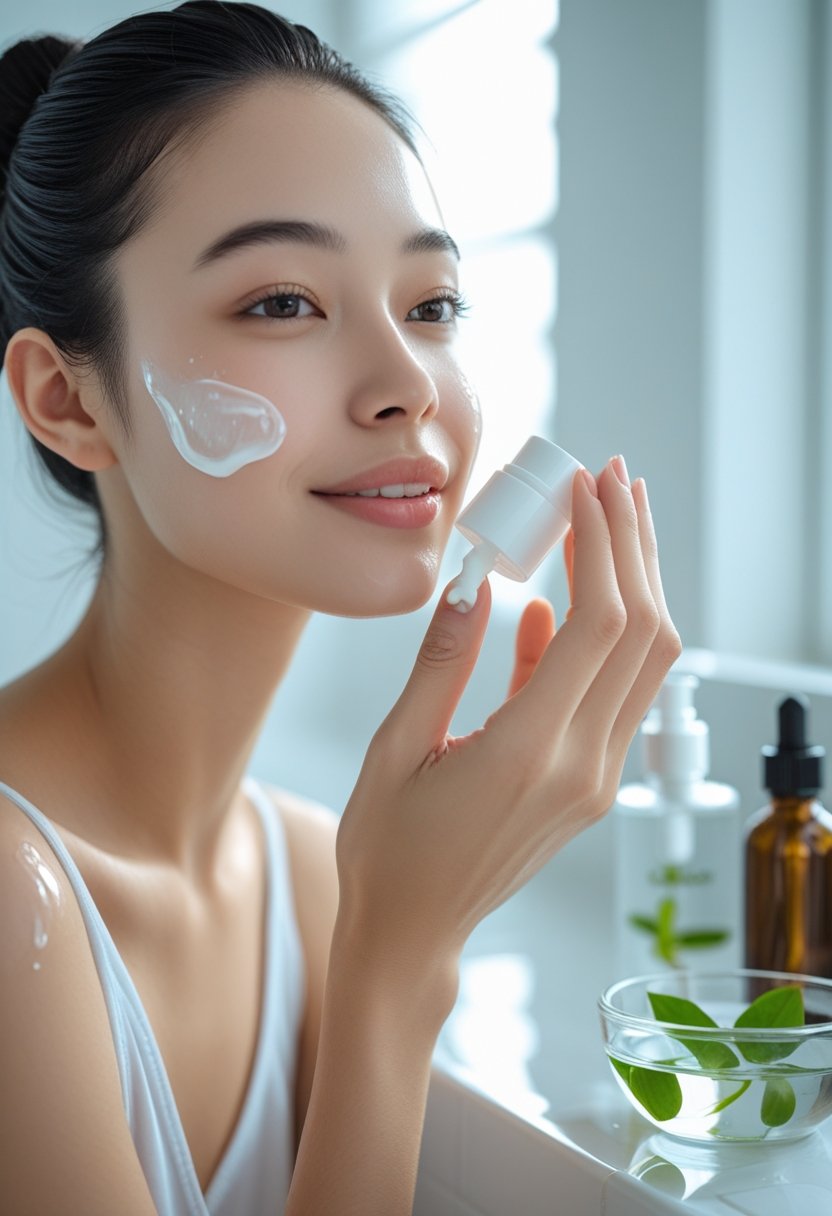
Maintaining hydration without adding excess oil is essential for oily skin. It requires products that support the skin barrier and lock in moisture without causing shine or clogged pores. Choosing the right formulas and ingredients plays a critical role in balanced hydration.
Selecting Oil-Free Moisturizers
Oil-free moisturizers are designed to hydrate without heaviness or greasiness, making them ideal for oily skin types. These products typically absorb quickly and leave a matte finish, preventing that unwanted shiny look.
Look for moisturizers labeled non-comedogenic to avoid pore blockage. Gel-based textures and lightweight lotions often work best. Ingredients like squalene, which mimics the skin’s natural oils without feeling heavy, help keep skin soft yet balanced.
Avoid heavy creams or anything with mineral oils and silicones that can trap oil and dirt. Daily use of oil-free moisturizers helps prevent dehydration, which can otherwise trigger the skin to produce more oil as a compensatory response.
Key Hydrating Ingredients for Oily Skin
Certain moisturizing ingredients hydrate effectively without causing excess shine. Hyaluronic acid is a top choice for oily skin because it holds up to 1,000 times its weight in water, providing deep hydration without oil or heaviness.
Glycerin and ceramides are also beneficial; glycerin draws moisture into the skin, while ceramides strengthen the skin barrier to lock in hydration and protect from irritation. These ingredients work together to maintain a healthy skin barrier, preventing moisture loss and regulating oil production.
Selecting products with these elements supports lasting hydration and helps reduce the skin’s tendency to overproduce oil when dehydrated.
Sun Protection for Oily Skin
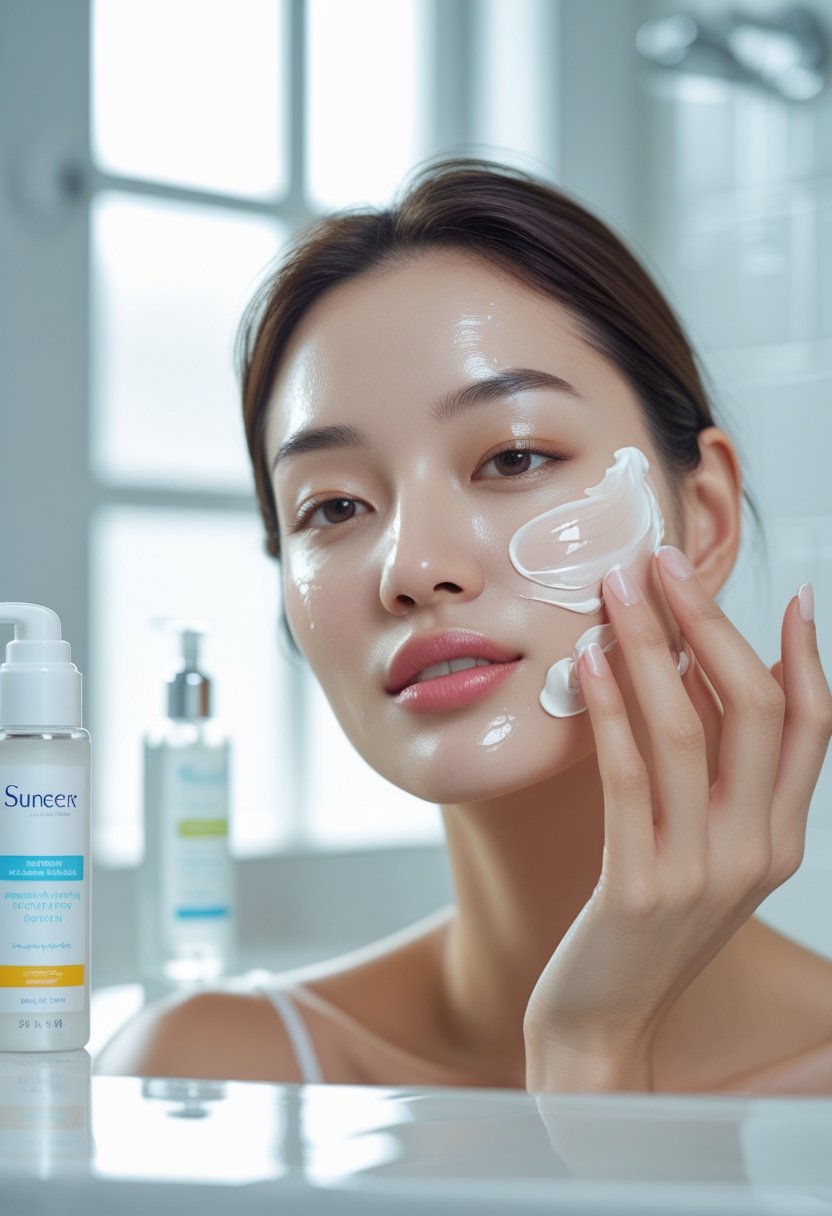
Sun protection is essential for oily skin to prevent issues like excess shine, clogged pores, and dark spots. Choosing the right sunscreen and applying it correctly can help maintain a clear, matte complexion while offering effective defense against harmful UV rays and signs of aging.
Choosing the Best Sunscreen Formulations
For oily skin, matte-based mineral sunscreens are preferred because they reduce greasiness and shine. Liquid or gel formulas with mineral filters like zinc oxide or titanium dioxide offer broad-spectrum SPF 30 or higher without clogging pores.
Look for lightweight, oil-free, and non-comedogenic products. Ingredients such as antioxidants can provide additional protection against UV-induced skin damage and age spots. Avoid heavy creams and occlusive ingredients that trap oil and contribute to breakouts.
Matte finish formulations absorb excess oil and leave a smooth, shine-free surface. Using water-based sunscreens helps maintain hydration without adding weight or stickiness to the skin.
Broad-Spectrum Protection and Application Tips
Broad-spectrum sunscreens protect against both UVA and UVB rays, which is vital for preventing hyperpigmentation and the worsening of post-acne marks. Choosing SPF 30 or higher ensures adequate defense throughout daily exposure.
Sunscreen should be applied generously to all exposed areas, ideally 15 minutes before sun exposure. Reapplying every two hours is necessary, especially if sweating or after water contact.
To avoid patchy coverage, use small amounts and spread evenly. Incorporate sunscreen into a skincare routine after moisturizer and before makeup, ensuring it does not mix with oily residues that might reduce effectiveness.
Proper application controls shine while securing long-lasting protection from sun damage and premature skin aging.
Lifestyle Adjustments to Manage Oily Skin
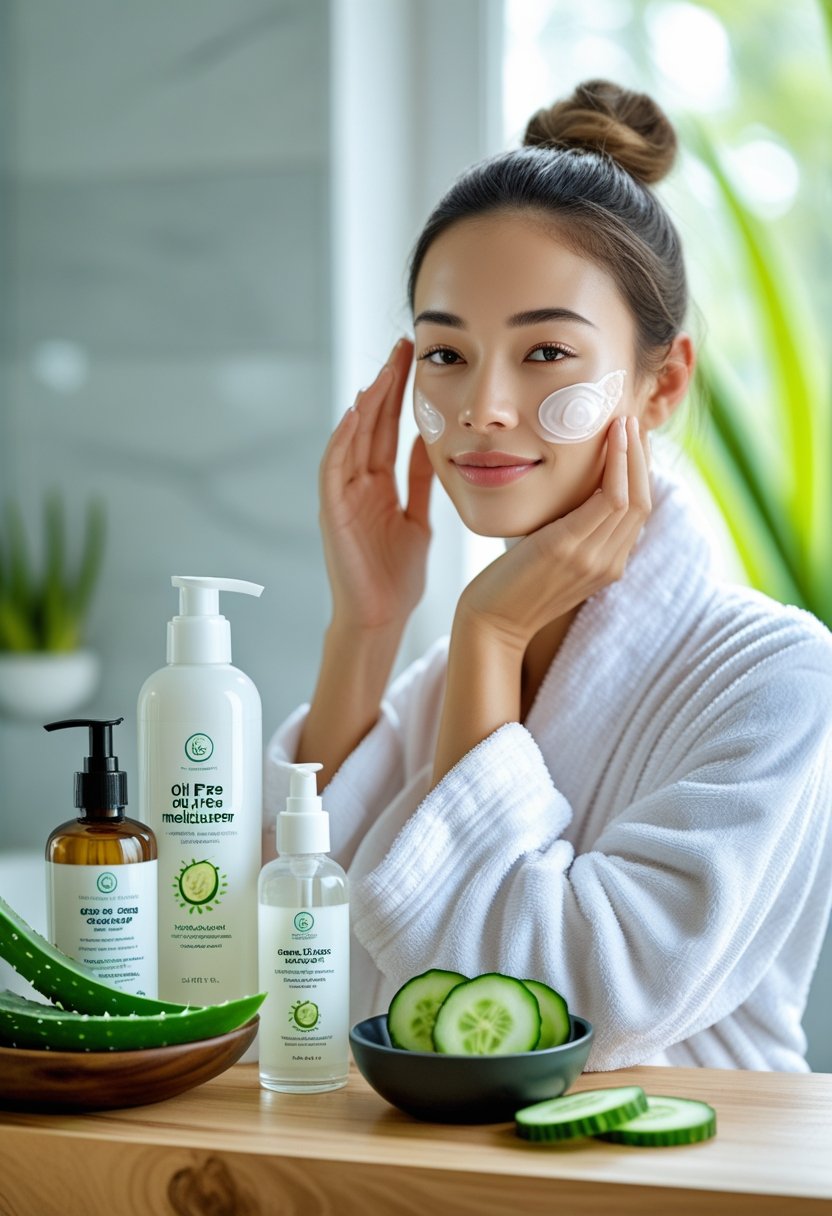
Managing oily skin requires attention to daily habits, environmental factors, and carefully chosen natural or medical approaches. Practical changes in diet, routine, and skin care can reduce excess oil production and help prevent issues like breakouts, hyperpigmentation, and premature aging.
Diet and Hormonal Influences
Diet directly impacts oil production. Foods high in refined sugars and dairy can trigger hormonal fluctuations that increase sebum output. Including antioxidants, omega-3 fatty acids, and zinc-rich foods supports skin balance and reduces inflammation.
Hormones such as androgens increase oil gland activity, often during puberty, menstrual cycles, or stress periods. Managing hormonal imbalances through medical advice or lifestyle changes can control skin oiliness and reduce risks of melasma or hyperpigmentation caused by irritation.
Hydration is essential. Drinking enough water helps maintain skin’s moisture barrier, preventing overcompensation with excess oil.
Environmental and Daily Habits
Exposure to pollution can worsen oily skin by clogging pores and causing inflammation. Regularly cleansing to remove dirt and pollutants prevents buildup without stripping natural oils.
Daily habits like overwashing or aggressive scrubbing can trigger more oil production. Using gentle cleansers and avoiding harsh exfoliants balances skin without forcing excess sebum.
Stress also raises cortisol, which can increase oil secretion. Stress management techniques, including exercise and adequate sleep, support healthier skin.
Using non-comedogenic, oil-free moisturizers helps maintain hydration, preventing the skin from overproducing oil.
Natural Remedies and Dermatologist Advice
Natural remedies such as green tea extract, witch hazel, or aloe vera can calm inflammation and regulate oil without harsh chemicals. However, effectiveness varies by individual.
Dermatologists recommend specific actives like salicylic acid and niacinamide to control oil and prevent clogged pores. These ingredients also aid in fading hyperpigmentation and preventing premature aging by improving skin texture.
Professional treatments or prescription options may be necessary for persistent oily skin issues or related conditions like melasma. Adhering to expert guidance maximizes safety and results.
