
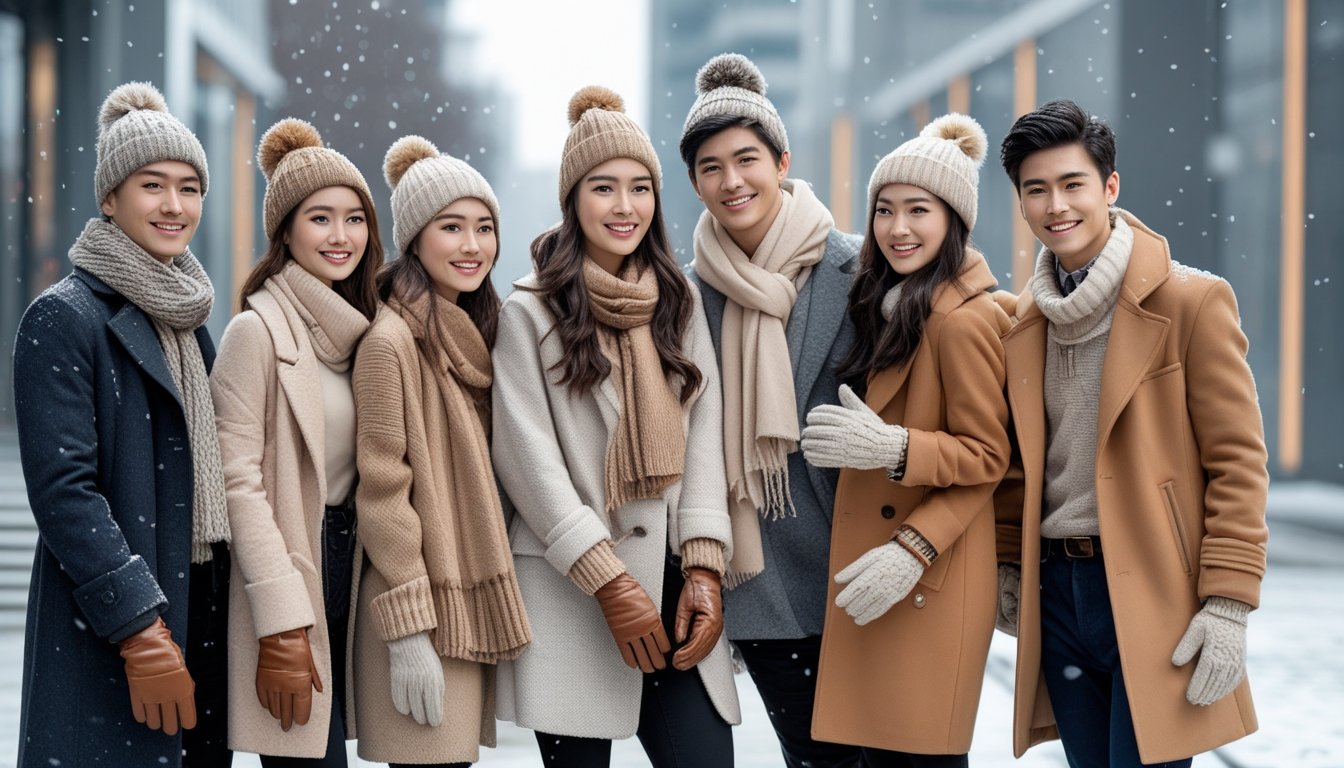

Winter outfit ideas don’t have to mean sacrificing style for warmth. A stylish winter outfit combines cozy layers with timeless pieces like sweaters, boots, scarves, and coats that make looking polished effortless. These outfits can be both functional and fashion-forward, helping anyone stay comfortable while maintaining a chic appearance.
Winter outfits offer a versatile canvas to mix textures and shapes, from oversized knits to tailored outerwear, creating looks that feel fresh and intentional. Whether dressing for everyday wear or a special occasion, incorporating layering techniques and statement accessories is key to elevating winter style.
Winter Wardrobe Essentials
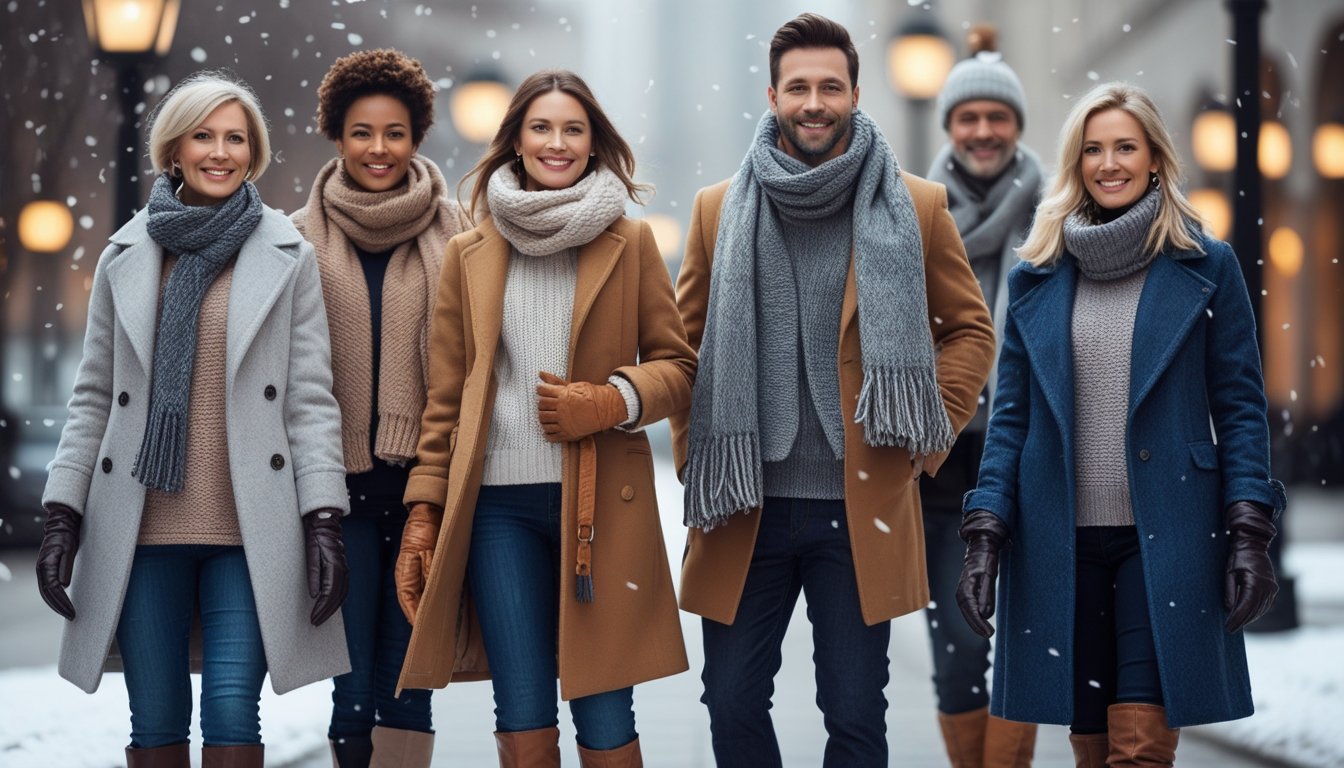
Building a functional and stylish winter wardrobe requires careful selection of fabrics, layering pieces, and outerwear designed to protect against the cold. Key elements include warm knitwear, versatile base layers, appropriate coats, and reliable cold-weather footwear. Each plays a vital role in maintaining comfort and style throughout the winter months.
Knitwear Must-Haves
Knitwear forms the backbone of a winter wardrobe, offering warmth and texture in equal measure. Chunky knits and wool sweaters are essential for layering, providing insulation without sacrificing style. Turtlenecks are particularly valuable, as they protect the neck while working well under coats or alone as statement pieces.
Sweater dresses add versatility, bridging the gap between casual and dressy winter looks. Prioritizing natural fibers like wool or cashmere enhances insulation and durability. Neutral tones and classic patterns such as Fair Isle ensure these pieces remain timeless. Proper care is important to maintain the texture and fit over multiple seasons.
Building a Versatile Base Layer
Base layers should be breathable, moisture-wicking, and fitted close to the skin to trap heat efficiently. Materials such as merino wool or technical synthetics are ideal because they regulate temperature while preventing clamminess.
Items like long-sleeve tops, slim-fitting turtlenecks, and thermal leggings make solid foundations for layering. These pieces work under sweaters and coats, enabling seamless transitions between indoor and outdoor environments. Choosing neutral colors aids in mixing and matching across multiple outfits, maximizing wardrobe functionality.
Selecting the Right Winter Coats
Winter coats must balance warmth with style to complete any outfit effectively. Long coats made from wool offer elegance and insulation, perfect for formal or professional settings. Puffer jackets excel at trapping heat and provide a casual, sporty look suitable for everyday wear.
Oil-rich wool coats resist water better, extending usability in wet conditions. Key details include insulated linings and windproof fabrics. For versatile layering, coats with detachable hoods or adjustable hems allow customization based on the weather. Classic colors like black, camel, and navy enhance wearability and complement various wardrobe pieces.
Essential Cold-Weather Footwear
Footwear must offer both grip and insulation to handle winter conditions safely. Snow boots provide necessary traction and waterproof protection for icy or snowy environments. Knee-high boots add warmth and sophistication, suitable for dressier occasions or pairing with skirts and sweater dresses.
Ankle boots are versatile, pairing well with jeans or layered tights. When selecting winter boots, look for features such as insulated lining, sturdy soles with deep treads, and weather-resistant materials. Opting for neutral shades like black, brown, or gray ensures cohesion with the winter wardrobe’s overall palette.
Fundamental Winter Outfit Formulas
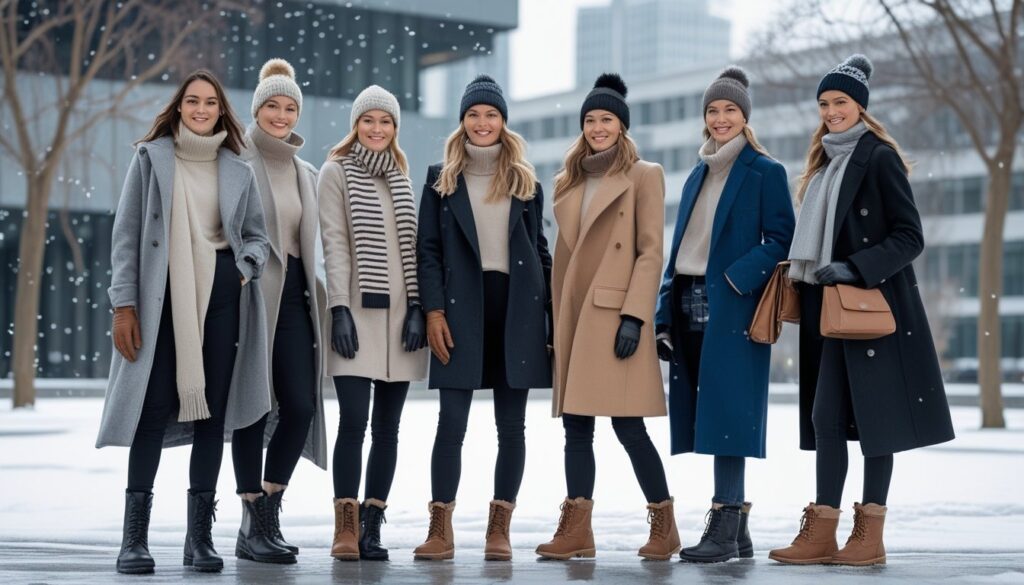
Winter outfits that balance warmth, comfort, and style often rely on key pairings that are simple yet effective. Combining reliable staples with purposeful layering and statement pieces creates versatile looks suited for various occasions.
Classic Sweater and Jeans Combos
Sweaters paired with jeans remain a foundational winter formula. Straight-leg jeans provide a timeless silhouette that works well with chunky knits or fitted sweaters. For a sleek appearance, skinny jeans offer a streamlined look that pairs nicely with oversized sweaters or cardigans.
Thermal or fleece-lined leggings can substitute jeans for extra warmth under longer sweaters, especially in very cold weather. Footwear like combat boots or classic ankle boots finish the outfit by adding edge and practicality. Simple accessories such as scarves or knit hats further enhance this easy, reliable look.
Layered Dresses with Boots
Dresses can adapt to winter by layering with warm underpieces and outerwear. Wearing a fitted sweater or thermal layer underneath a dress adds insulation without bulk. Knee-high boots or sturdy ankle boots complement this style, providing both protection from cold and elevated style.
Opting for heavier fabrics or knitted dresses enhances warmth. Adding tights or thermal leggings under the dress boosts insulation on colder days. To complete the look, a tailored wool coat or a long cardigan creates structure and extra warmth for outdoor activities.
Trousers and Statement Outerwear
Wide-leg trousers or tailored pants provide sophistication while maintaining warmth. Pairing these with a bold outer layer—such as a glossy puffer jacket or a structured wool coat—creates a polished winter outfit. The emphasis is on balancing volume; wide-leg trousers suit fitted outerwear, while slim trousers can support bulkier coats.
This formula benefits from layering thin thermal tops underneath shirts or blouses. Footwear like low-heeled boots or patent leather shoes keeps the ensemble sharp but functional. Accessories such as leather gloves or minimal jewelry refine the overall look.
Athleisure and Cozy Loungewear
Comfort-driven winter styles focus on functionality with elements like joggers, hoodies, and layered leggings. An oversized hoodie paired with fleece-lined leggings or joggers offers warmth and freedom of movement. This combination suits casual days or running errands in cold weather.
Thermal leggings serve as an insulating base, while wool socks and slip-on boots or trainers add practicality. Adding a long, padded coat over the outfit makes it weatherproof without sacrificing comfort. This formula prioritizes ease and warmth but can be styled with statement accessories to elevate everyday wear.
Layering Techniques for Style and Warmth
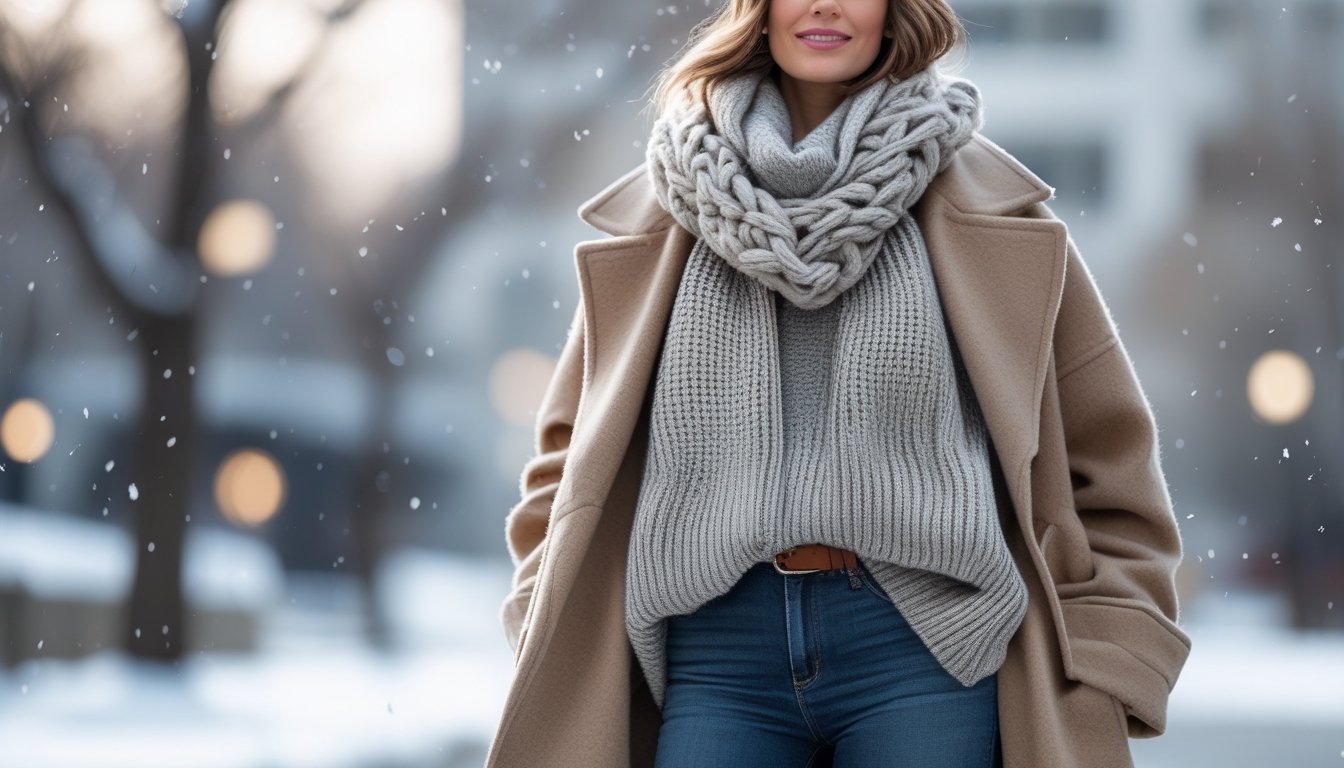
Layering for winter requires thoughtful combinations that provide both warmth and visual interest. Success depends on pairing different fabrics, lengths, and shapes while considering practicality, such as insulation and freedom of movement.
Mixing Textures and Lengths
Combining varied textures creates depth and keeps outfits visually appealing. For example, pairing a soft cashmere sweater with a structured leather jacket balances softness and edge. Adding a knitted scarf or wool hat introduces another tactile element.
Length variation is important. Wearing a long coat over a shorter sweater prevents bulk while maintaining warmth. Heavier fabrics on the outside and lighter ones closer to the skin optimize insulation. Avoid replicating the same texture or length throughout the outfit, as that can make the look flat and less stylish.
Smart Layering with Dresses and Skirts
Layering dresses or skirts in winter means adding warmth without sacrificing style. A midi skirt paired with thermal tights or wool leggings provides insulation for the legs. Wearing a fitted turtleneck under a slip dress combines elegance with practicality.
Adding a chunky knit cardigan or tailored blazer creates dimension. Footwear also plays a role; knee-high boots add extra warmth and complete the look. Attention to fit and fabric weight is essential to avoid feeling bulky while maintaining a polished appearance.
Mastering Multi-Layered Looks
Multi-layered outfits require balance to avoid feeling cumbersome. Start with a thin base layer such as a long-sleeve thermal shirt. Next, add an intermediate layer like a knit sweater or fleece for insulation.
Top the look with a heavier jacket or coat suited to weather conditions. Accessories such as scarves, hats, and gloves contribute to warmth and style. Prioritize breathable layers to prevent overheating indoors, and adjust the number of layers based on activity levels and temperature changes throughout the day.
Coats and Jackets to Elevate Your Winter Look
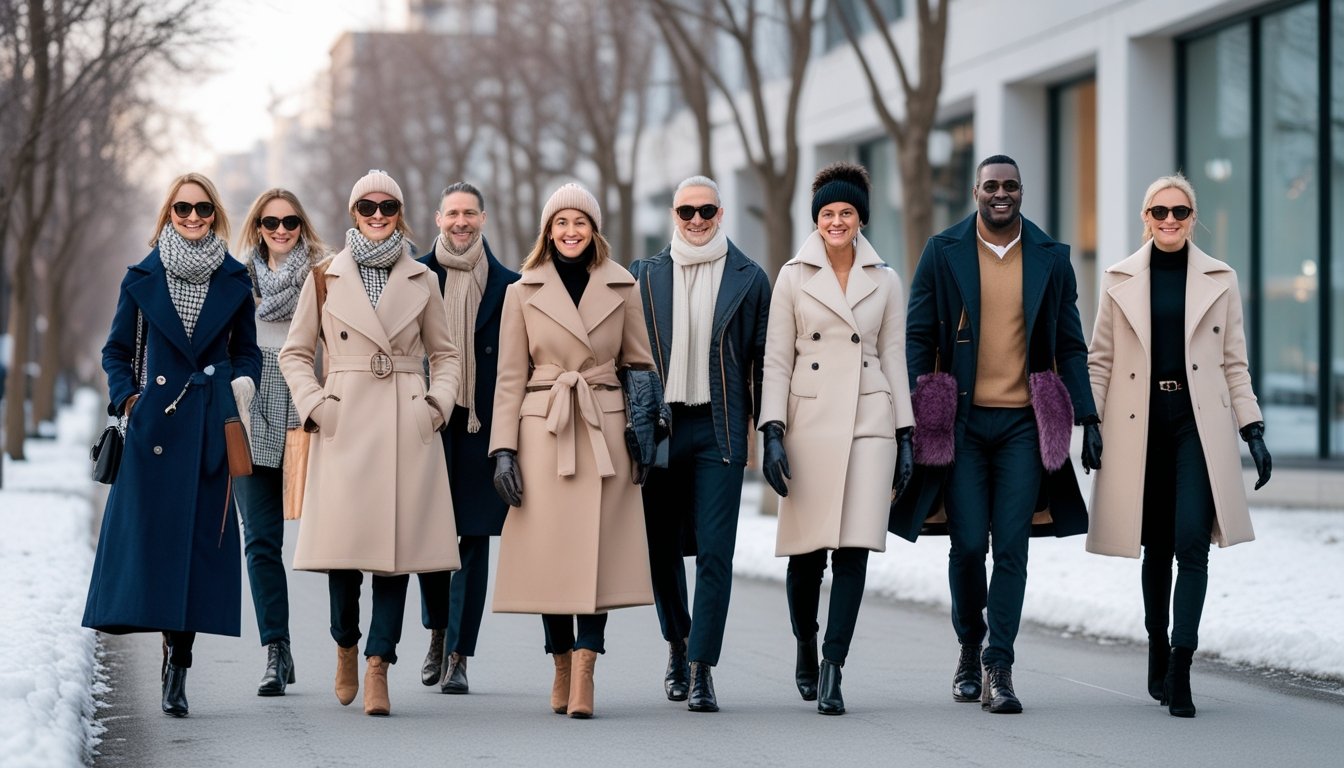
A well-chosen coat or jacket can transform a winter outfit from basic to fashionable while providing essential warmth. When selecting outerwear, it’s important to balance style, functionality, and fit to create a polished, versatile wardrobe foundation.
Trendy Puffer and Teddy Coats
Puffer coats remain a staple for cold weather, offering lightweight insulation and modern bulk. Their quilted design traps heat efficiently, making them ideal for very low temperatures. Opt for oversized or cropped styles to add dimension and a contemporary edge to the look.
Teddy coats, crafted from plush sherpa or faux fur material, deliver both warmth and texture. Their soft, fuzzy appearance gives off a relaxed, cozy vibe without sacrificing style. Common colors include caramel, cream, and pastel tones, which pair well with casual or smart-casual outfits.
Both styles excel in versatility. The puffer is perfect for active days outdoors, while the teddy coat bridges comfort and chic for everyday wear.
Timeless Wool and Belted Coats
Wool coats remain a classic winter essential. Their natural fibers provide warmth, breathability, and durability. Longline wool coats, often reaching mid-calf, create an elegant silhouette and offer extra protection against wind and cold.
Belted coats introduce structure and refine the waistline. Whether tied on a wool trench coat or a belted longline, the cinched effect adds sophistication to any outfit. Neutral tones like camel, gray, and navy dominate this category, making these coats easy to incorporate into a variety of wardrobes.
This style fits well in both formal and casual settings, ensuring a polished look that resists fleeting trends.
Statement Faux Fur and Shearling Jackets
Faux fur jackets redefine winter glamour with their plush, tactile appeal. Available in bright colors and classic neutrals alike, they inject boldness into simple ensembles. Their synthetic construction appeals to those seeking cruelty-free fashion options.
Shearling jackets combine function and flair with their soft wool interior and leather or faux leather exteriors. The contrast between rugged materials and cozy linings creates distinctive texture and warmth.
These statement pieces often serve as focal points in an outfit. Pair shearling or faux fur jackets with jeans and boots for a balanced aesthetic that is both luxurious and approachable.
Accessorizing Stylish Winter Outfits
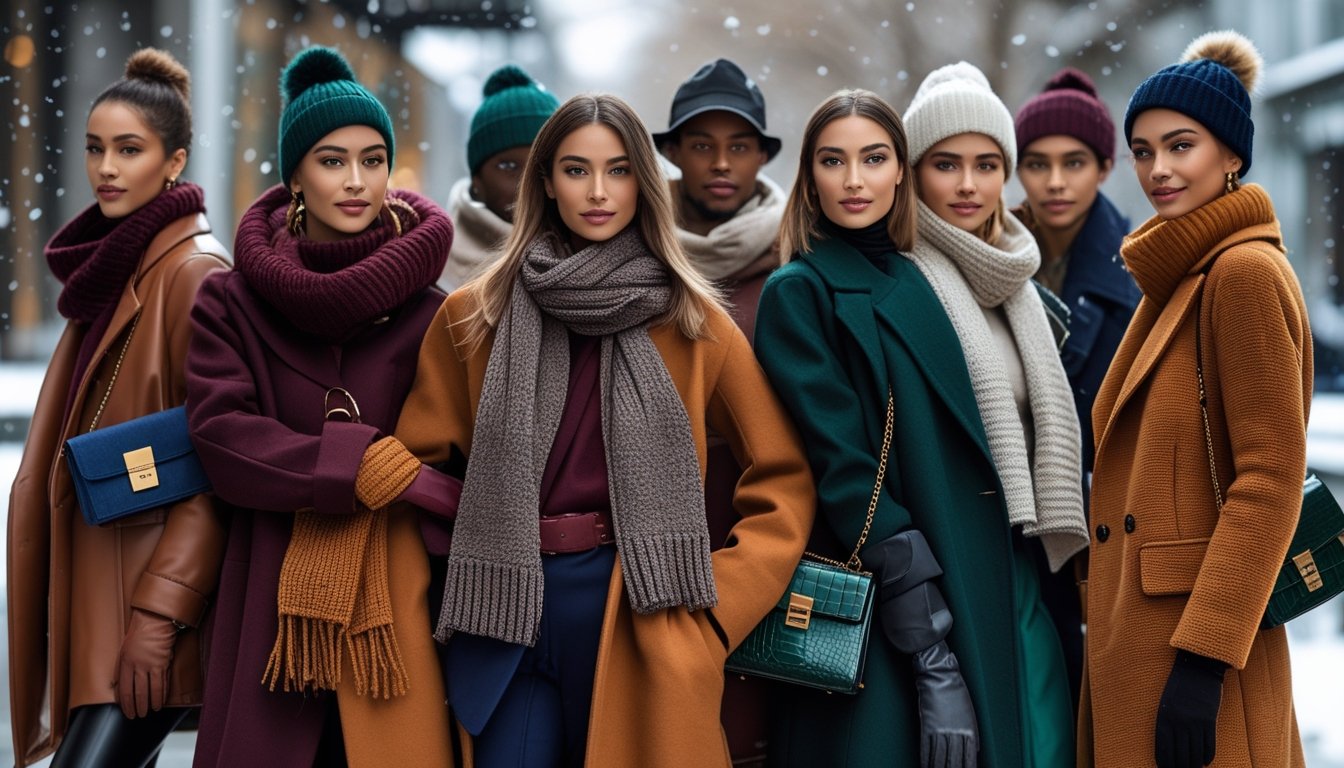
Winter accessories blend functionality with style, elevating any outfit while providing essential warmth. Key pieces like headwear, scarves, gloves, bags, belts, and jewelry help create a cohesive look. Choosing the right textures, colors, and shapes can transform basic cold-weather attire into a polished, intentional ensemble.
Functional and Fashionable Headwear
Beleaguered by cold days, a well-chosen beanie offers both protection and style. Opt for neutral shades like black, gray, or cream for versatility, or bold colors to add a pop to muted winter tones.
Structured hats such as fedoras provide a sophisticated alternative. They pair well with tailored coats and elevate casual separates for a refined edge.
Material matters—wool and cashmere blend keep warmth without bulk. A fitted beanie with minimal embellishment maintains a streamlined look, while knitted patterns can introduce texture without overwhelming the outfit.
Scarves and Gloves for Extra Flair
Scarves are critical in winter styling. A plaid scarf brings visual interest and coordinates effortlessly with solid outerwear. Length and thickness depend on layering preferences— oversized scarves can double as wraps, while slimmer options suit lighter jackets.
Leather gloves offer sleekness and durability. Classic black or brown leather adds polish, but gloves made from softer fabrics serve comfort and flexibility under heavier coats.
Pairing matching gloves and scarves can provide cohesion, but mixing textures—like a knitted scarf with leather gloves—balances ruggedness and refinement. Gloves with touchscreen-compatible fingertips merge practicality with fashion.
Bags and Belts to Complete Your Look
Winter bags must accommodate layers while complementing textures like wool and suede. Crossbody bags offer hands-free convenience and suit everyday wear. Smaller structured handbags bring sophistication for outings, especially in leather or faux leather.
Leather belts define shape over bulky layers. A wide leather belt cinches oversized sweaters or coats, providing structure. Colors like deep brown or black match typical winter palettes, while statement belts with metallic buckles add subtle accents.
Balance is essential—if a bag is large and structured, keep the belt simple. Conversely, a minimal bag allows for a more ornate belt, enhancing detail without clutter.
Chic Jewelry for Winter Ensembles
Winter jewelry should enhance without overwhelming bulkier clothing. Statement earrings, like gold hoop earrings, brighten the face and coordinate well with turtlenecks and high collars.
Choose metals that contrast with winter fabrics, such as shiny gold paired with wool or velvet. Large hoops work well for casual to semi-formal looks, offering a timeless, polished element.
Avoid heavy necklaces in favor of earrings or subtle rings to prevent clashing with scarves or coats. Jewelry that complements one’s overall color scheme and texture choices supports a balanced, stylish appearance.
Color Palettes and Statement Looks
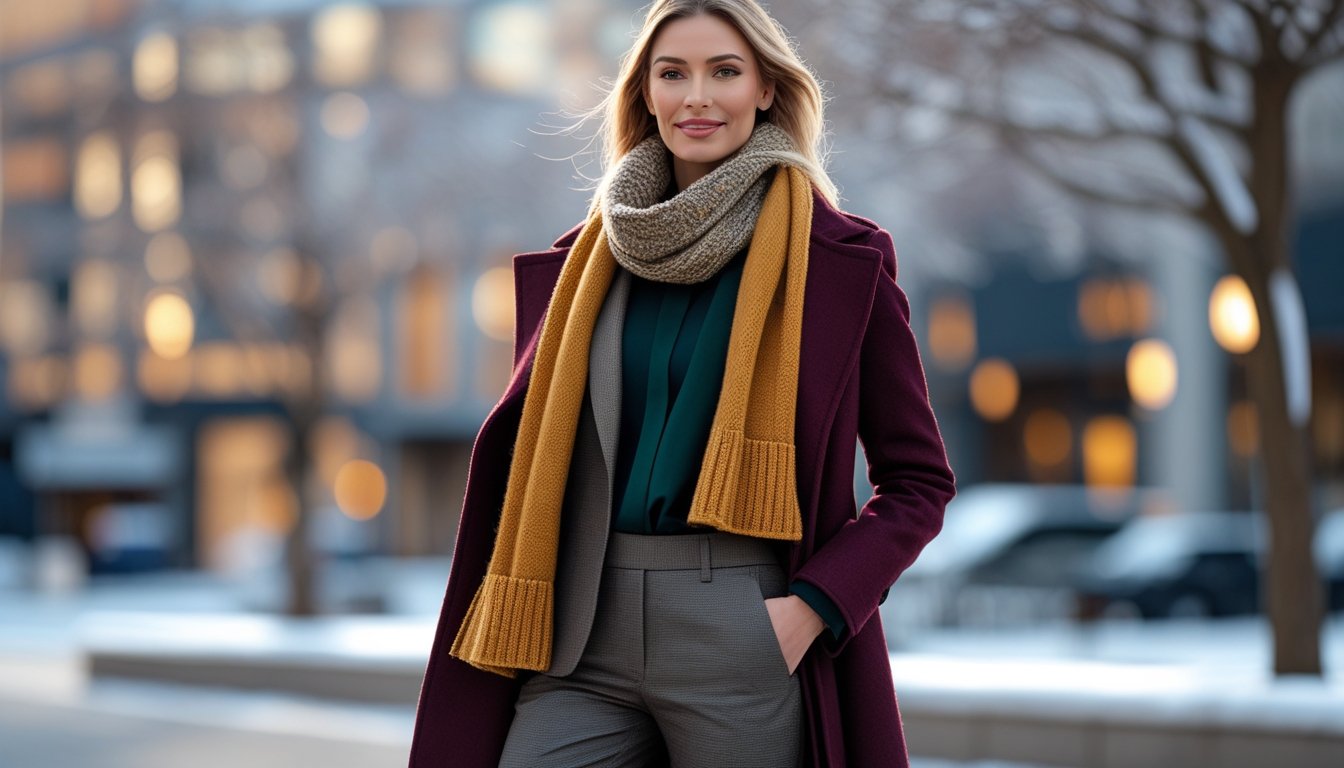
Winter fashion centers on carefully chosen color palettes that balance warmth and visual interest. Statement looks often involve distinct layering, mixing textures, and selecting colors that either unify or contrast for impact.
Monochrome Winter Outfits
Monochrome outfits use varying shades of a single color to create a streamlined, elegant look. For winter, deep navies, rich burgundies, or charcoal grays work well as base tones. These colors naturally convey sophistication and suit both casual and formal settings.
Layering is key—pair a flannel shirt under a wool coat in the same color family to add depth without breaking the monochrome effect. Accessories, like scarves or gloves, can shift the tone with lighter or darker hues. This approach keeps outfits cohesive and easy to style.
Incorporating Bold Prints and Textures
Bold prints and textured fabrics elevate basic winter staples into eye-catching ensembles. For example, a flannel shirt with classic plaid patterns contrasts effectively when paired with solid-colored wool trousers or a leather skirt.
Textures like velvet, tweed, and faux fur can be combined to add dimension. A printed scarf atop a chunky knit adds contrast without overpowering the outfit. These elements make each look distinct while still maintaining seasonal appropriateness.
Outfit Ideas for Different Occasions
Winter styles should adapt smoothly to settings like work, casual outings, or formal events. For the office, a tailored navy suit paired with a jewel-toned blouse and a modest flannel shirt layered underneath balances professionalism and warmth.
Weekend wear often includes cozy oversized sweaters with patterned flannel shirts and fitted jeans or skirts, blending comfort with relaxed style. For evenings, bold jewel tones like emerald or burgundy in dress fabrications, combined with sleek coats or tailored boots, build a luxurious appearance.
