


Starting a Skin Care Routine for Beginners Essential Steps for Healthy, Glowing Skin can feel overwhelming, but it doesn’t have to be complicated. A simple and effective skincare routine for beginners involves cleansing, moisturizing, protecting with sunscreen, and regular exfoliation tailored to your skin type. This basic approach helps maintain healthy skin and supports a glowing complexion.
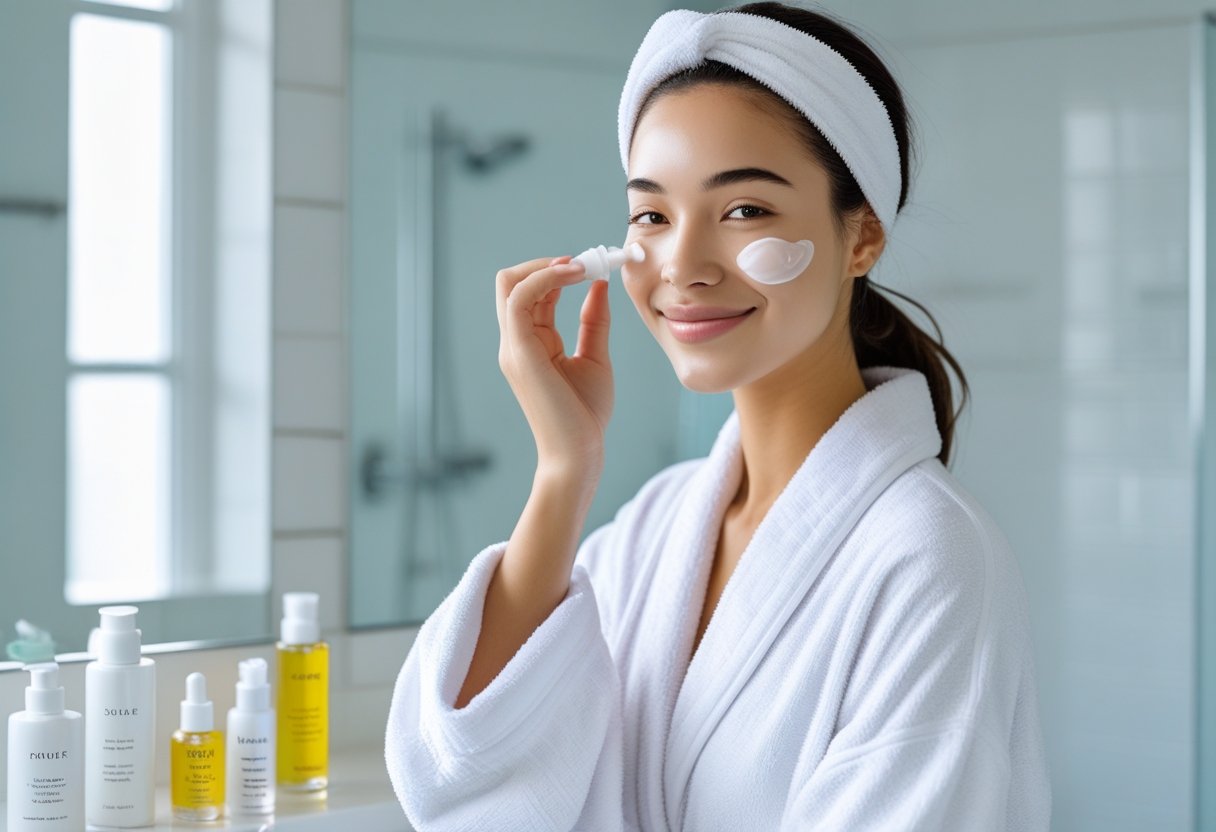
Choosing the right skincare products is key, as different skin types require different ingredients and formulations. Consistency and understanding the purpose of each step make it easier to build a routine that fits individual needs without unnecessary steps or confusion.
By focusing on these essential elements, anyone can create a routine that promotes healthier skin and gradually improves its appearance. For a clear guide on how to build a beginner-friendly skincare routine, see this step-by-step approach to skincare products and routines.
Understanding Your Skin Type

Knowing your skin type is essential for choosing the right products and avoiding common skin concerns. Different types have unique characteristics that affect how the skin reacts to ingredients, weather, and daily care.
How to Identify Your Skin Type
To identify skin type, start with a clean face free of makeup or products. After washing, wait one hour and observe how the skin feels and looks without adding anything.
If the skin feels tight or shows visible flakes, it is likely dry skin. If there is shine on the forehead, nose, and chin (the T-zone) but dryness on cheeks, this indicates combination skin. Oily skin appears shiny across most areas and may have noticeable clogged pores or acne. Normal skin feels balanced with no excessive oil or dryness.
A simple blotting paper test can help: press a paper onto different areas of the face. If it picks up oil from the forehead and nose, the skin is oily or combination. If the paper shows little to no oil, the skin is likely dry or normal.
Common Characteristics of Oily, Dry, Combination, and Normal Skin
Oily skin produces excess sebum, which can lead to clogged pores and frequent breakouts. Often, it has a shiny appearance, especially around the T-zone.
Dry skin lacks oil, causing tightness, dullness, and visible flakiness. It may also be prone to irritation if harsh products are used.
Combination skin features oily areas mixed with dry or normal patches, especially on the cheeks or around the mouth. This skin type needs balancing care to address both dryness and oiliness.
Normal skin feels smooth and even without excessive oil or dryness. It typically has fewer skin concerns and reacts well to most products.
| Skin Type | Key Features | Common Skin Concerns |
|---|---|---|
| Oily | Shiny, large pores | Acne, breakouts, clogged pores |
| Dry | Tight, flaky, dull | Irritation, sensitivity |
| Combination | Oily T-zone, dry/normal cheeks | Both oiliness and dryness |
| Normal | Balanced, smooth | Minimal issues |
Adjusting Your Routine for Sensitive Skin
Sensitive skin requires extra care to avoid irritation and redness. It can be prone to reactions from fragrances, harsh scrubs, or certain actives like retinol or strong acids.
People with sensitive skin should opt for fragrance-free, gentle cleansers and moisturizers. Products with soothing ingredients like aloe vera or chamomile are beneficial.
It is important to introduce new products slowly and perform patch tests to monitor reactions. Avoid over-exfoliating or using too many active treatments at once. Sun protection is vital to prevent increased sensitivity and damage.
Essential Steps in a Beginner Skin Care Routine
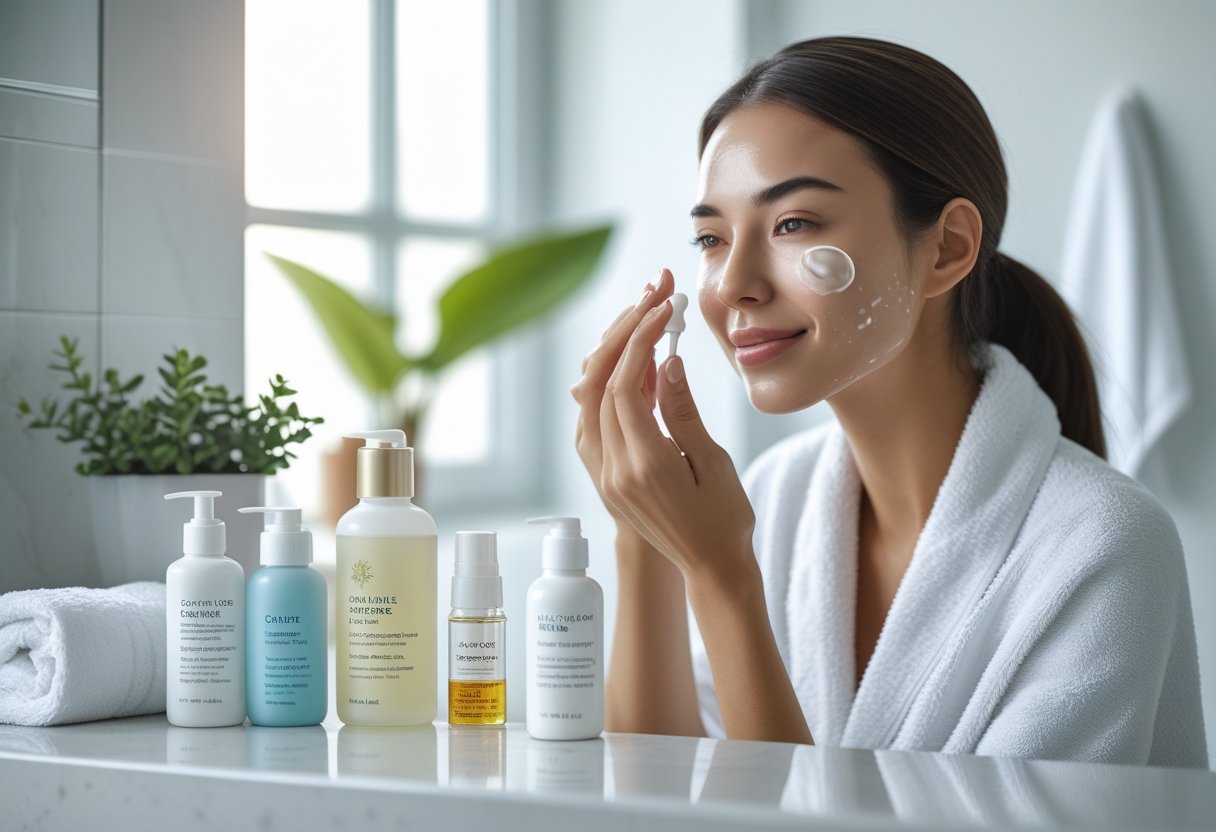
Creating an effective skin care routine for Beginners Essential Steps for Healthy, Glowing Skin involves targeted steps to maintain skin health, hydration, and protection. Each step supports the skin’s natural barrier and addresses specific needs like cleansing impurities, balancing moisture, and shielding against environmental damage.
Cleansing Basics
Cleansing is the foundation of any skin care routine. It removes dirt, oil, and makeup that accumulate throughout the day, preventing clogged pores and irritation.
Skin Care Routine for Beginners Essential Steps for Healthy, Glowing Skin , using a gentle cleanser is crucial. Harsh cleansers can strip the skin of its natural oils, weakening the skin barrier and causing dryness or sensitivity. An effective approach is to use an oil-based cleanser first to dissolve makeup and sunscreen, followed by a water-based cleanser for a thorough cleanse, often called double cleansing.
Cleansing should be done twice daily—morning and night. Morning cleansing removes nighttime buildup, while evening cleansing clears away daily pollutants. Choosing the right cleanser depends on skin type; for example, hydrating cleansers benefit dry skin, whereas foaming cleansers suit oily skin.
Toning for Balance
Toning restores the skin’s pH balance after cleansing and supports hydration. A good toner can prepare the skin for better absorption of subsequent products like serums and moisturizers.
Beginners should use a hydrating toner rather than one with alcohol, which can dry out or irritate the skin. Ingredients like glycerin or hyaluronic acid in toners provide lightweight moisture and soothe inflammation.
Applying toner helps tighten pores and remove residual cleanser or impurities, making the skin feel fresh without stripping it. Consistent use aids in maintaining the skin barrier’s function and supports overall hydration levels.
Effective Moisturizing
Moisturizing seals in hydration and strengthens the skin barrier, protecting against moisture loss and external irritants. It is essential regardless of skin type.
Choosing the right moisturizer depends on individual needs: cream-based moisturizers often work best for dry skin, while gel or lotion formulas suit oily or combination skin. Key ingredients like ceramides, hyaluronic acid, and niacinamide help restore hydration and reinforce barrier function.
Moisturizers should be applied after cleansing and toning, ideally while the skin is still slightly damp to lock in moisture. This step ensures the skin remains supple, reduces flakiness, and prevents premature aging caused by dehydration.
Sun Protection Importance
Sun protection is essential every day, even when indoors, because UV rays can damage skin cells, cause premature aging, and increase skin cancer risk.
Using a broad-spectrum sunscreen with SPF 30 or higher is recommended. This protects against both UVA and UVB rays. Applying sunscreen should be the final step in the morning skin care routine and reapplied throughout the day if exposed to sunlight.
Sunscreen supports the skin barrier by preventing damage that weakens it and leads to dryness or sensitivity. Incorporating sunscreen into daily habits preserves skin health and appearance over time.
Choosing the Right Products for Your Needs
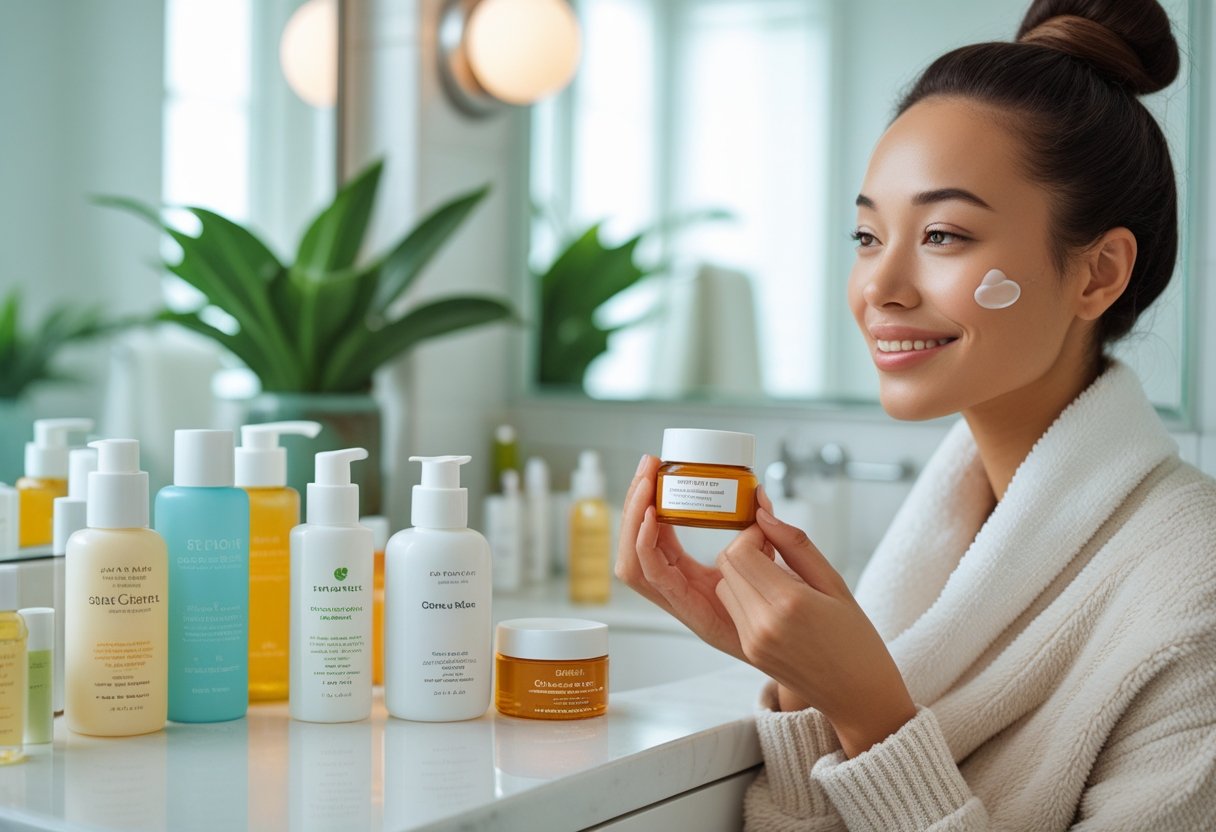
Skin Care Routine for Beginners Essential Steps for Healthy, Glowing Skin Choosing products tailored to specific skin needs is essential for an effective routine. It involves understanding skin type, texture, and common concerns such as dryness, oiliness, or sensitivity. Knowing how different cleansers, toners, and moisturizers interact with the skin helps avoid irritation and supports healthy skin function.
Selecting Cleansers for Your Skin Type
Cleansers must be matched carefully to skin type for best results. For dry or sensitive skin, a gentle cleanser that avoids harsh surfactants is ideal to prevent stripping natural oils. Cream-based or hydrating cleansers can provide moisture while cleansing.
For oily or acne-prone skin, an oil-based cleanser can dissolve excess sebum without over-drying. Foaming cleansers with ingredients like salicylic acid are also effective but should be used sparingly to avoid irritation.
Avoid cleansers with high alcohol content, which can disrupt the skin barrier. Instead, look for formulas that include soothing or barrier-supporting ingredients such as ceramides or glycerin.
Types of Toners and Their Benefits
Toners vary significantly in formulation and purpose. A hydrating toner often contains humectants like glycerin, which attract moisture to the skin. These are suitable for dry or sensitive skin as they help restore hydration after cleansing.
Toners with witch hazel act as mild astringents and have anti-inflammatory properties. These are good for oily or combination skin but can be drying if overused.
Avoid toners with high concentrations of alcohol or irritating fragrances. Active ingredients in toners, like niacinamide or antioxidants, can help address specific concerns such as redness or dullness when chosen properly.
Proper Moisturizer Selection
Moisturizers are crucial for maintaining the skin’s barrier and hydration levels. For dry or mature skin, rich creams containing ceramides and squalane provide essential lipids and deep moisture.
People with oily or acne-prone skin benefit from lighter, non-comedogenic gels or lotions that hydrate without clogging pores. Ingredients like hyaluronic acid and glycerin support moisture retention without heaviness.
Those with sensitive skin should prioritize fragrance-free formulas with soothing components. Moisturizers containing active ingredients like niacinamide can improve barrier function and reduce irritation risks while hydrating effectively.
Adding Targeted Treatments
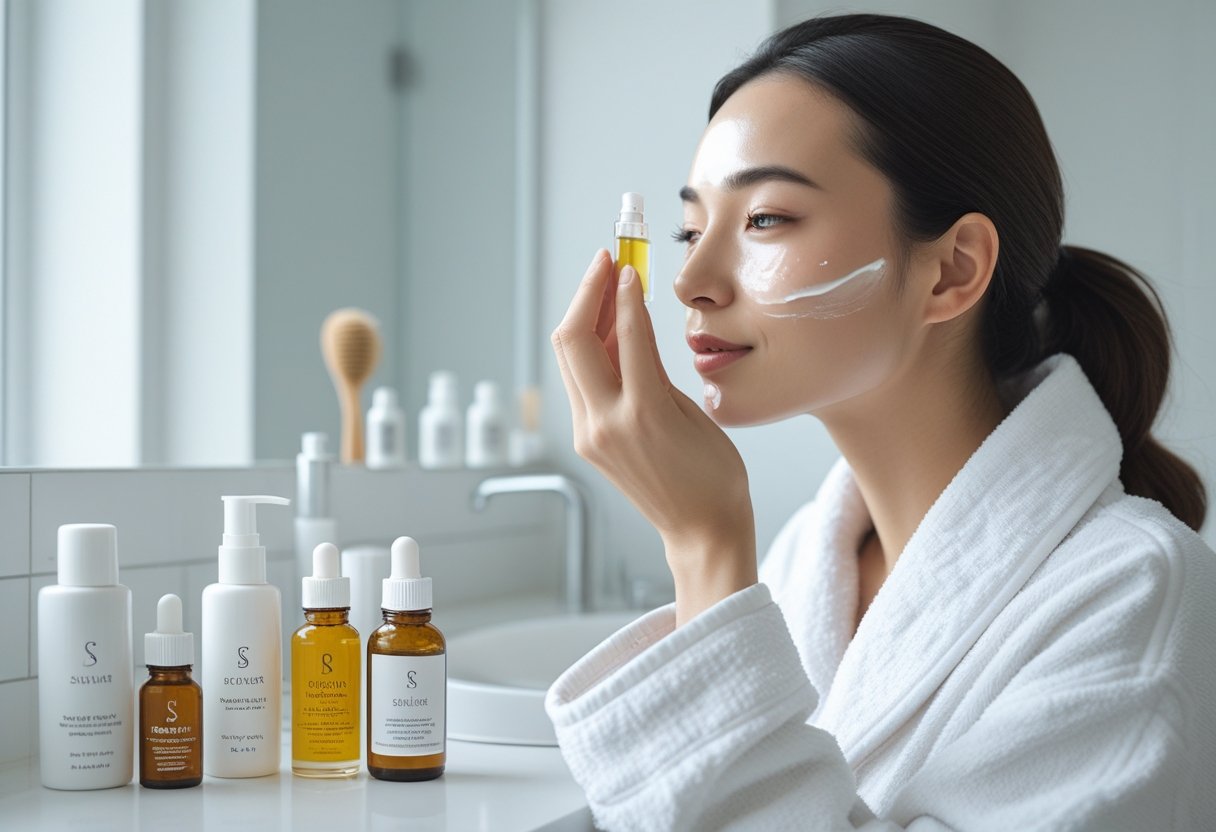
Adding targeted treatments allows for addressing specific skin concerns such as dryness, aging, and uneven texture. These treatments often contain active ingredients like antioxidants, peptides, or hydrators that complement the basic skincare routine. Introducing them gradually is key to avoiding irritation while enhancing skin health.
Introduction to Serums
Serums are concentrated formulas designed to deliver potent ingredients deeply into the skin. Common active ingredients include niacinamide, which helps regulate oil and reduce redness, and hyaluronic acid, known for its exceptional hydration properties.
More advanced serums may contain retinol, a derivative of vitamin A, effective for reducing fine lines and wrinkles by promoting cell turnover. However, retinol can cause sensitivity and should be used sparingly and with sun protection.
Serums are typically applied after cleansing and before moisturizing. Their lightweight texture allows for quick absorption, making them effective without feeling heavy. Choosing a serum depends on individual skin concerns like anti-aging or hydration.
Eye Cream for Delicate Areas
Eye creams target the thin, delicate skin around the eyes, which is prone to premature aging and fine lines. These creams often include ingredients such as peptides to stimulate collagen production and antioxidants to protect against environmental damage.
Because the skin here is sensitive, formulations tend to be gentler than regular moisturizers. Eye creams also focus on reducing puffiness and dark circles by improving circulation and hydration.
Application requires care; a small dab using the ring finger is recommended to avoid stretching the skin. Regular use can help maintain firmness and reduce the appearance of wrinkles over time.
Using Night Creams
Night creams are richer and designed to support skin repair during sleep when regeneration processes are at their peak. They often contain antioxidants and peptides to boost collagen and combat signs of aging.
Ingredients like retinol may also be included, but in formulations that minimize irritation overnight. Night creams provide intense hydration and help repair damage caused by daily environmental exposure.
Applying a night cream as the final step in an evening routine locks in moisture and active ingredients, supporting overall skin health and improving texture and tone with consistent use.
Exfoliation for Healthier Skin

Exfoliation removes dead skin cells, revealing fresher layers underneath and promoting a healthy glow. It involves choosing the right method and frequency to maintain skin health without irritation or damage.
Benefits of Exfoliating
Exfoliating helps unclog pores, reducing the risk of breakouts and blackheads. It improves skin texture by smoothing rough or flaky areas, making the skin appear more radiant and even-toned. Removing dead cells also allows skincare products like moisturizers and serums to absorb better.
Regular exfoliation can support cell renewal and improve skin firmness. It enhances blood circulation on the surface, contributing to a natural, healthy glow. However, over-exfoliation can cause redness, sensitivity, or dryness, so balance is essential for best results.
Chemical vs. Physical Exfoliants
Chemical exfoliants use acids like alpha hydroxy acids (AHAs), polyhydroxy acids (PHAs), and beta hydroxy acids (BHAs) such as salicylic acid to dissolve dead skin cells gently. They work well for various skin types, including sensitive skin, and can target concerns like acne or dullness.
Physical exfoliants involve scrubs or brushes that manually slough off dead cells. They provide immediate smoothness but may irritate sensitive or inflamed skin if used too aggressively. Chemical exfoliants are often preferred for safer, more even exfoliation.
How to Exfoliate Safely
Choose an exfoliant suited to your skin type and start slowly, ideally once or twice a week. Avoid applying on broken or irritated skin. For chemical exfoliants, follow product instructions carefully, and introduce them gradually to monitor tolerance.
Physical methods should be gentle—use light pressure and avoid harsh scrubbing. After exfoliation, always moisturize to restore hydration and apply sunscreen to protect the newly exposed skin from UV damage. Keeping exfoliation consistent but moderate helps maintain clear, glowing skin without causing harm.
For a detailed guide on exfoliating safely at home, see this complete beginner’s guide.
Building Consistency for Optimal Skin Health
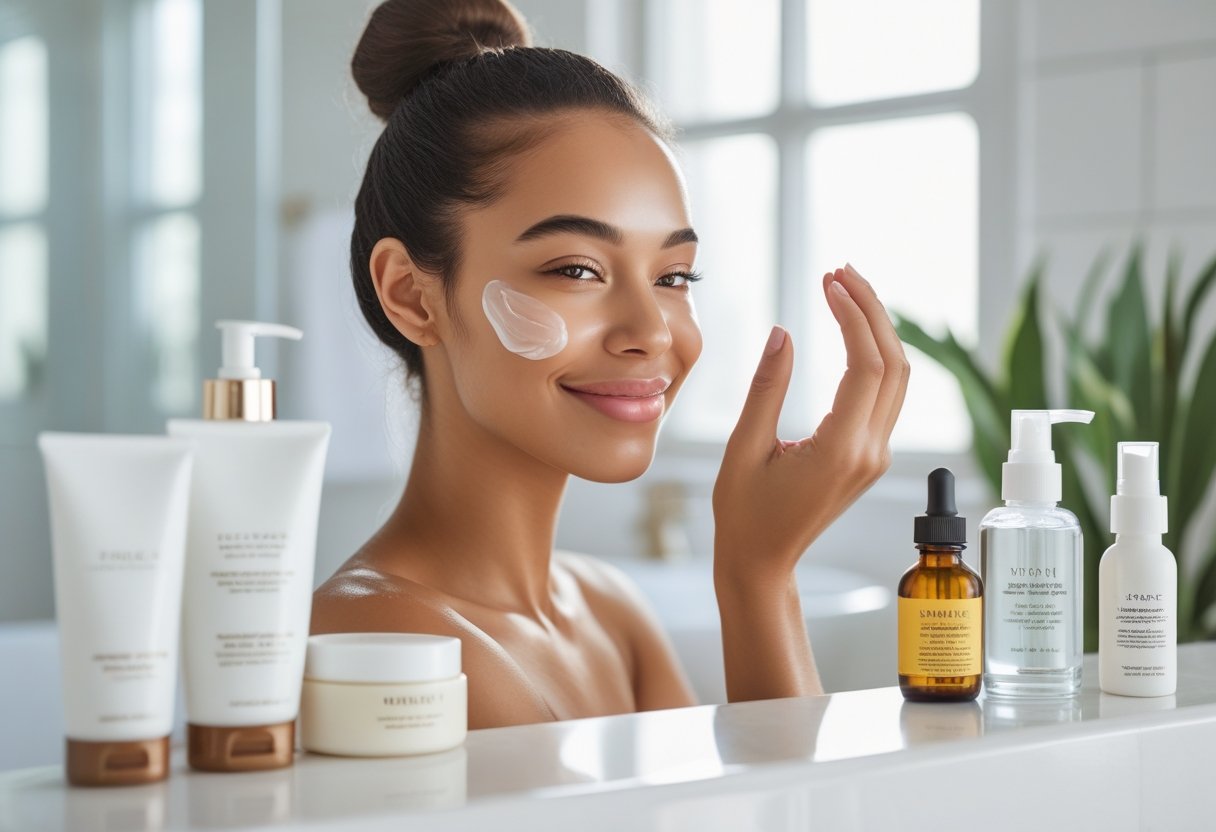
Maintaining healthy skin requires a steady, repeatable approach tailored to individual needs. Establishing clear routines and regularly evaluating skin’s response ensures sustained improvement in skin concerns and encourages glowing skin over time.
Establishing Morning and Night Routines
Creating distinct routines for morning and evening is crucial for skin health.
In the morning, cleansing removes overnight buildup, while moisturizing prepares skin for environmental exposure. Sunscreen is essential to protect against UV damage, which prevents premature aging and pigmentation.
The night routine focuses on repair. Cleansing eliminates dirt and makeup, followed by treatments like retinoids or serums targeting specific concerns such as acne or texture. Moisturizing helps restore hydration during sleep.
Consistency is key—using the right products in the correct order every day enhances efficacy. A typical morning routine might look like this:
- Cleanser
- Serum (e.g., vitamin C)
- Moisturizer
- Sunscreen
A night routine might include:
- Cleanser
- Treatment serum (e.g., retinol)
- Moisturizer
Clear separation of these routines supports the skin’s natural cycles and promotes long-term health. For guidance on building your routine by skin type, see this step-by-step guide.
Monitoring Progress and Adjusting Products
Regularly assessing skin’s reaction to products is essential to avoid prolonged irritation or ineffective care. He or she should observe for changes in hydration, texture, or new breakouts, especially when introducing active ingredients like retinol or vitamin C.
Adjustments might be necessary if the skin becomes dry, sensitive, or shows no improvement after 4 to 6 weeks. Gradually increasing product frequency or swapping formulas better suited to current skin concerns can optimize results.
Keeping a simple skincare journal or taking weekly photos provides objective insight into progress. This helps distinguish between product effects and external factors like diet or stress.
Consistency combined with thoughtful observation supports healthy skin development. For tips on staying consistent and adjusting skincare, explore this article on building an effective skincare routine.
